
Last Updated on February 24, 2026 by Ariana Svenson
For many, Cusco is seen as a gateway rather than a destination, a place to pass through on the way to the Sacred Valley or Machu Picchu. While Cusco is certainly the jumping-off point for Peru’s most famous highlights, treating it as a short stop often means missing what makes the city special.
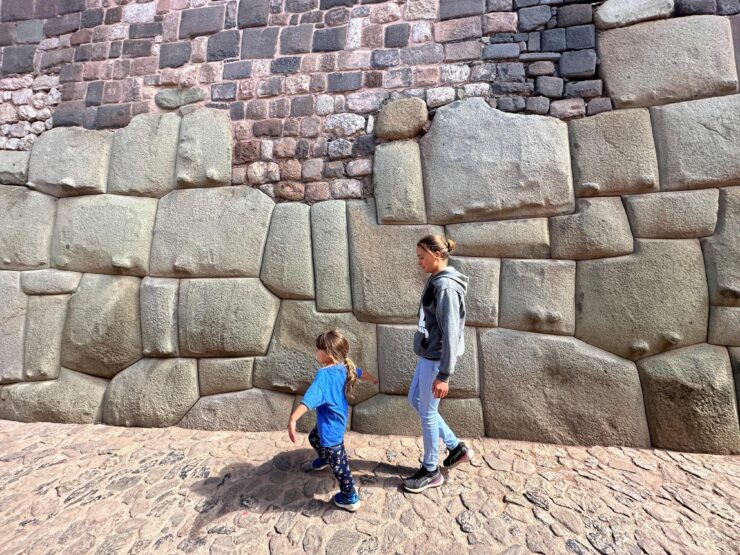
Cusco is the historic heart of the region. Once the capital of the Inca Empire, it is now a UNESCO World Heritage Site where massive Inca stone walls form the foundations of colonial churches, homes, and palaces. The city’s layers are visible everywhere, from uneven streets shaped by centuries of rebuilding to neighbourhoods that still follow ancient layouts.
After arriving in Peru for the first time in 2002, I eventually settled in Cusco.
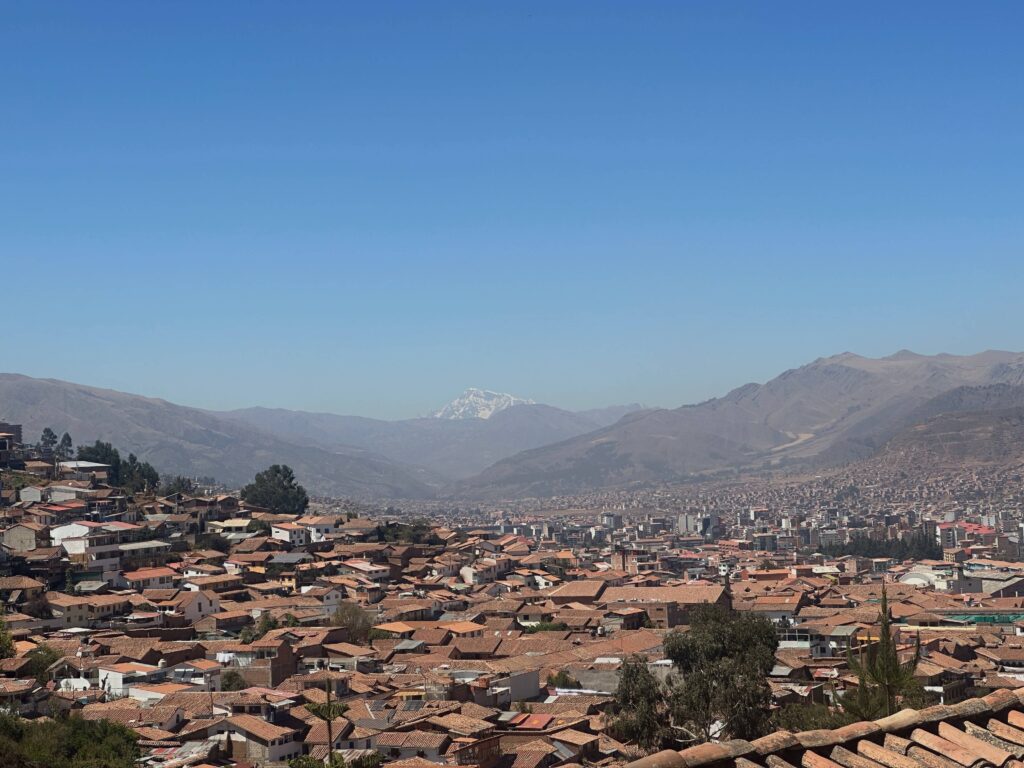
I fell in love with the narrow cobblestone streets, the plazas, the mix of Incan and Spanish architecture. On every street corner vendors of street food, delicious aromas at every turn. Cusco city itself has museums, art galleries and a thriving nightlife.
When I arrived Novo Andino Cuisine was not even a thing – nowadays the level of fine dining around Cusco is exceptional.
While Cusco might be the “navel of the world” for the Incas, it’s also the centre a of vibrant, fascinating region. There are literally weeks of things to do within 1-3 hours of Cusco – some well-known, and some so obscure that even the locals don’t commonly know about it!
Staying a few days allows your body to acclimate to the altitude and gives you the chance to get to know Cusco beyond its role as a transit point. There are enough things to do here to easily fill several days, from exploring historic streets and museums to visiting Inca sites just outside the city.
This guide pulls it all together, everything you need to know about visiting Cusco, plus plenty of tips along the way. Let Cusco reveal itself the way it’s meant to – slowly, brilliantly, and with plenty of incredible moments!
Cusco vs. the Cusco Region, Machu Picchu, and the Sacred Valley
Most people arrive at Cusco Airport when visiting Cusco City, the Sacred Valley, or Machu Picchu, so knowing how these areas fit together is of the utmost importance when traveling to Cusco, Peru.
Many people assume they can see the whole area in a short stay. It’s a very common mistake. Cusco, the Sacred Valley, and Machu Picchu offer distinct experiences, each with its own altitude, travel time, and pace.
This post focuses on Cusco city and the southern Cusco Valley, as both places are part of Cusco itself. We refer to the Sacred Valley separately in our Sacred Valley guide, and Machu Picchu is also covered in its own dedicated posts covering visiting with kids and how to trek the Inca Trail with kids.
Understanding how these places fit together makes a big difference in how your trip feels. With a little planning, you can avoid rushing between locations and enjoy each place for what it offers, instead of feeling like you’re constantly on the move.
History
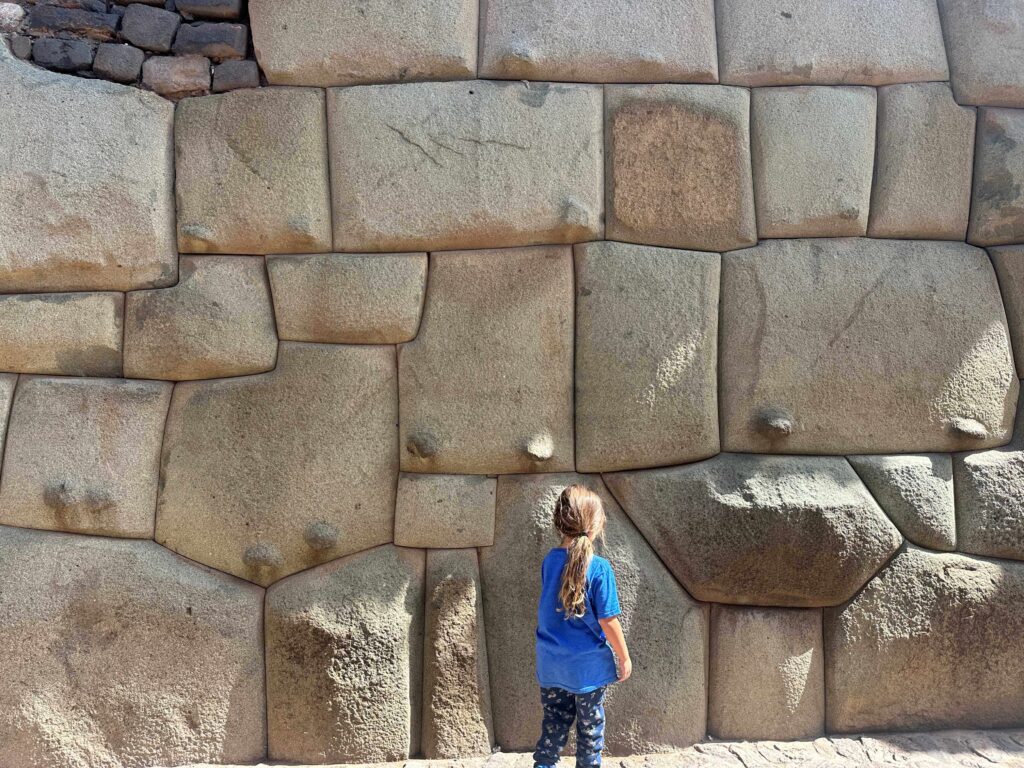
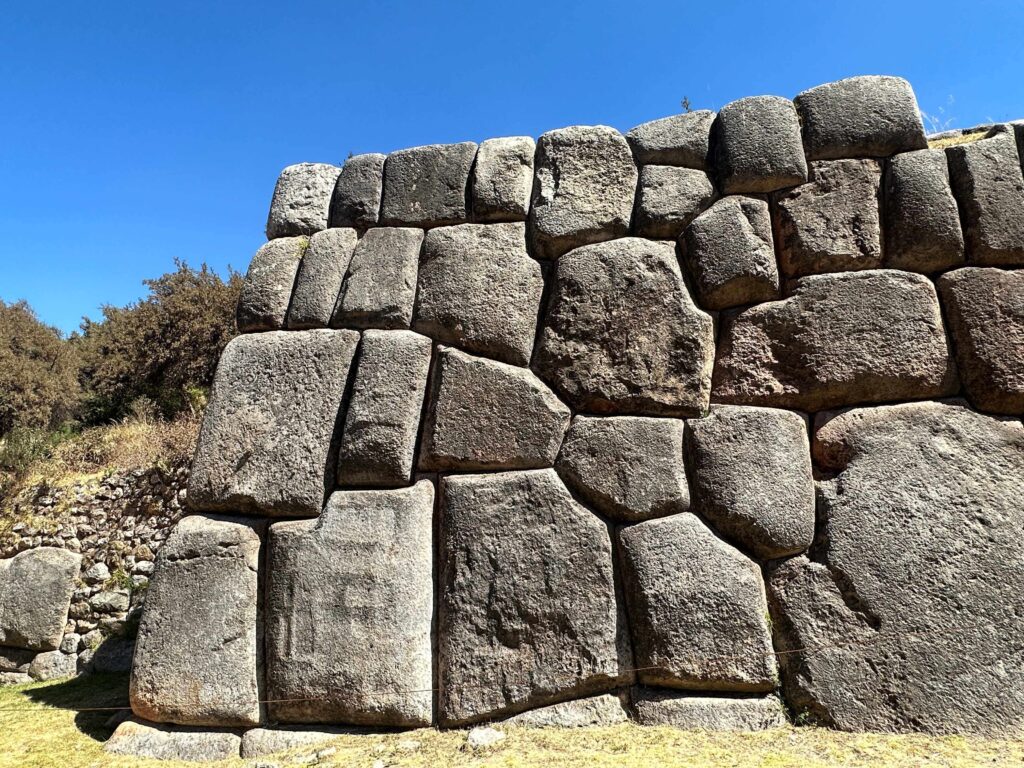
Massive Inca stone walls still form the base of many buildings in Cusco, while Spanish colonial churches and palaces sit directly on top of them. After the Spanish conquest in 1533, the original Inca foundations were reused rather than destroyed. This is why Cusco’s architecture feels so layered and, at times, uneven. As you walk through the city, it is almost impossible not to notice the hand-cut stone walls that define so many streets and buildings.
Long before the Spanish soldiers arrived, Cusco was already an important centre tied closely to Andean cosmology. In Inca tradition, it was considered the “navel of the world”, the place from which the empire expanded outward. According to legend, Manco Cápac and Mama Ocllo were sent to find the location where a golden staff would sink into the ground, marking the site chosen for the Inca capital.
Cusco is also often described as being laid out in the shape of a puma. The head is said to be at Sacsayhuamán, the body follows the course of the old riverbeds, and the heart sits in what is now the Plaza de Armas. While the modern city has grown far beyond these original boundaries, this early structure is still visible in the layout of Cusco’s historic centre today.
What to Know Before You Visit Cusco
Cusco isn’t difficult to visit, but there are a few things worth knowing before you go. A bit of planning goes a long way here. This Cusco, Peru, guide covers the basics of traveling here, from altitude and timing to getting around and staying safe.
Altitude Basics
The first thing to know when planning your Cusco itinerary is that Cusco is located at an elevation of 3,400 meters (11,150 feet). This makes it one of the highest cities of its kind in the world. It is advisable to spend a few days acclimatizing in Cusco before travelling to higher elevations, especially if you plan on trekking.
When you step off the plane in Cusco, you will feel the altitude. Altitude basically means there is less oxygen in the air than at lower elevations, so it is harder to breathe, and you may find yourself short of breath or slightly dizzy in the first moments. When you exert yourself, even just walking uphill, it can feel like you have walked a long distance in a very short time.
Drinking plenty of water helps with altitude sickness, and it’s one of the easiest things you can do to reduce altitude-related symptoms.
Every person acclimatises differently, and I also believe altitude can feel different every time you visit. You may have been to Cusco before and experienced very few symptoms, but if you arrive tired or run-down on this trip, you may notice the altitude much more. Many people adjust within 24 to 48 hours. I recommend you leave longer to properly acclimatise and enjoy the city.
If you want a deeper explanation of how altitude affects your body and how to adjust safely, you can read more about acclimatising to altitude in my guide.
When to Visit Cusco
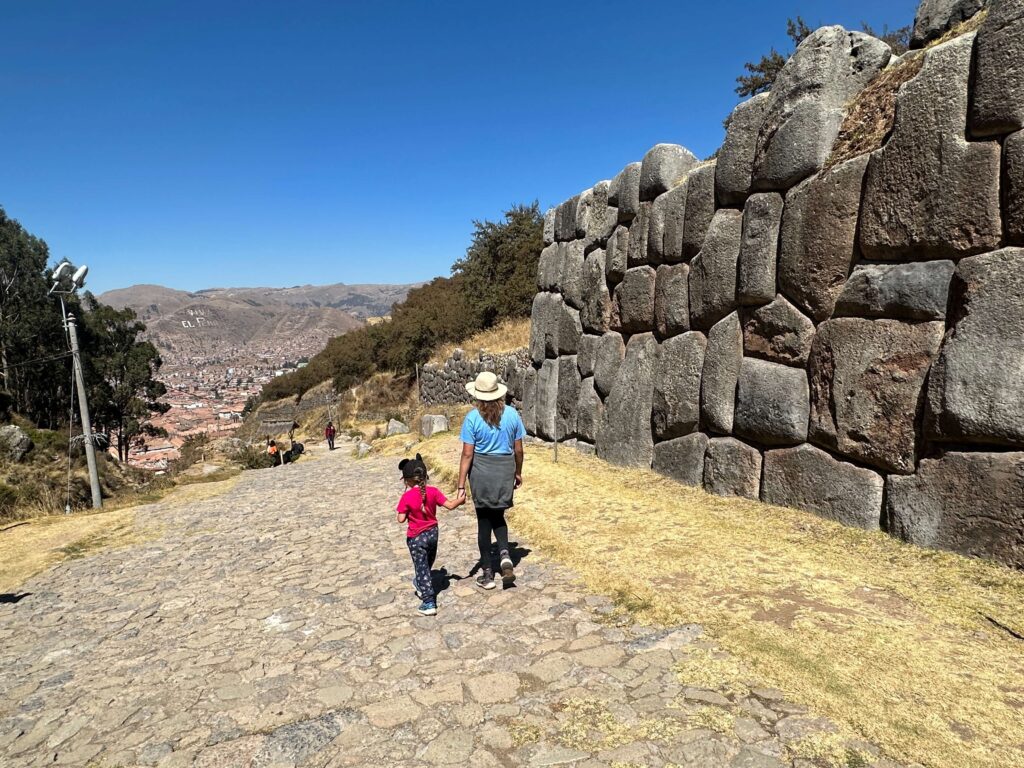
The timing of your visit to Cusco makes a real difference, especially regarding the weather, crowds, and how flexible your plans can be.
Cusco doesn’t have four distinct seasons, but it does have a clear wet and dry cycle that’s worth understanding before you book anything. For a more detailed breakdown, this guide on the best time to visit Cusco explains how conditions change throughout the year.
In a snapshot, Cusco has:
- Rainy Season – November to April
- Dry Season – May to October
Cusco’s weather is generally consistent year-round, with daytime highs that are mild and nighttime temperatures that can feel cold once the sun goes down. Rainfall changes the most, not heat. No matter when you visit, bring layers and rain protection. They will be useful even during the dry season.
Planning your days with some flexibility makes things easier, especially during the wet season.
Festivals and Events

One of the best times to visit Cusco is during festivals and events, especially if you want a closer look at local culture and traditions that are still part of everyday life.
It’s worth checking dates in advance. This Peru Cultural Events Calendar, which gives a clear overview of what’s happening throughout the year, and can help you decide when to visit.
How to Get to Cusco
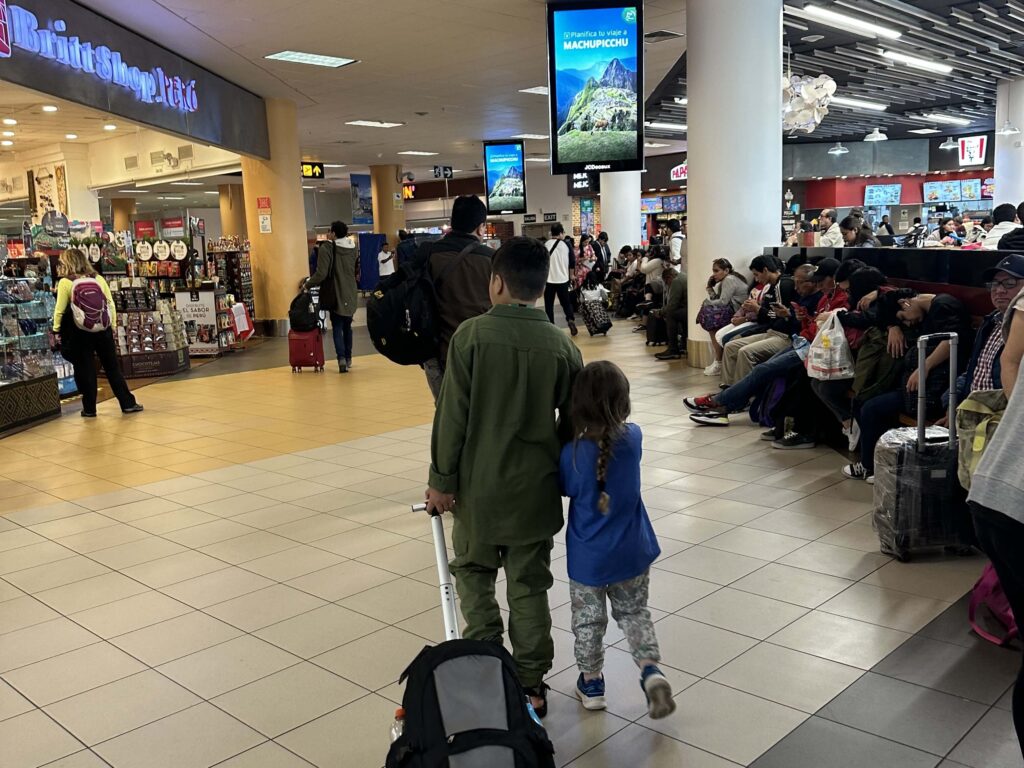
Most travelers arrive in Cusco by plane through Alejandro Velasco Astete International Airport, which sits close to the city. In normal traffic conditions, the ride into the historic center usually takes around 15 to 20 minutes by taxi.
Long-distance buses also arrive in Cusco from other cities across Peru. The main bus terminal is outside the historic center, but still only about a 15-minute drive from most central neighborhoods.
How Long to Stay
I’ve spent years in Cusco. Some days, it feels like I haven’t even scratched the surface. Other times, I stay long enough that I could easily keep going for weeks. Cusco reveals itself slowly, and how much time you need really depends on how deeply you want to experience it.
For a first-time visitor, I’d say you wouldn’t want to miss visiting the Plaza de Armas, or the ruins of Sacsayhuaman above the city. However, I would also say, allow a free day if you can, for market shopping, a delicious meal or two… and a massage.
If you are the more structured type, then there are a range of cooking classes, museum tours and more.
In general, if you can allow more than one day in Cusco, we strongly suggest, “DO IT!” There’s so much to do in the city and the surrounding area that you could easily spend a week here and still be discovering things that make you go WOW!
If you’re unsure how to structure your time, refer to our Cusco itinerary to discover what works for you.
Getting Around
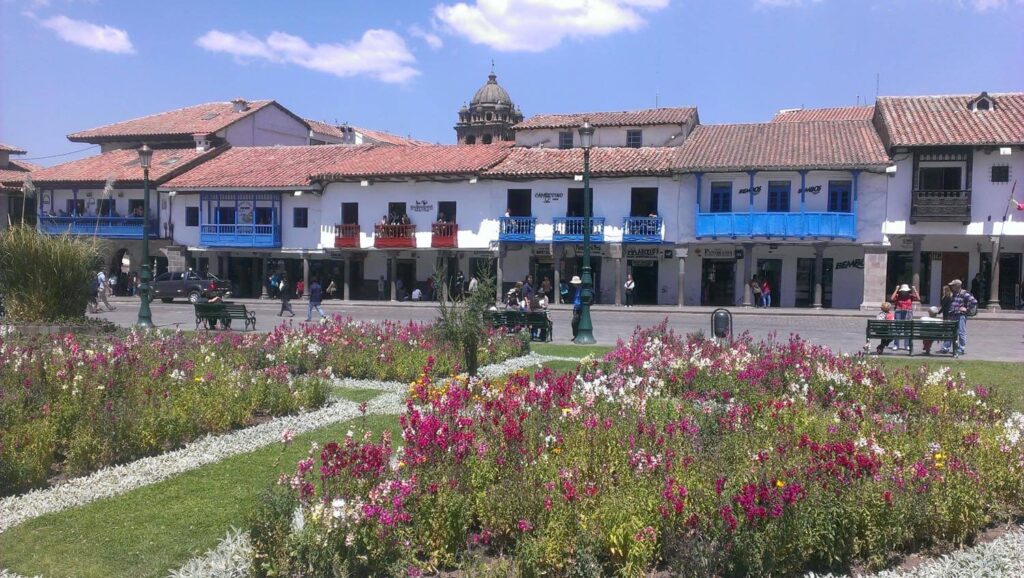
If you’re using a Cusco travel guide to plan your trip, it helps to understand how compact the historic center is and how much walking is involved.
Getting around is fairly easy, especially if you’re staying near the historic center. Many of the main sights are close together, so you can easily explore Cusco on foot.
For longer distances, you can hail a taxi. Note that most taxis aren’t metered, so it’s normal to agree on the price before you get in. For trips outside the city, it is best to arrange transport through your hotel or a tour operator.
Locals mostly use public buses when getting around Cusco, Perú. However, the routes aren’t clearly marked and can be confusing for visitors. It can also take up a lot of time, so it’s not advisable if you’re short on time.
The Cusco Tourist Ticket
When researching travel to Cusco, Peru, you’ll likely come across the Cusco Tourist Ticket, locally known as the Boleto Turístico del Cusco. It’s actually a pass that you can purchase once and use to enter a collection of major sites, including Inca ruins, museums, and cultural attractions.
There are two main options:
Full (General) Tourist Ticket – this is the most comprehensive option. It is valid for about 10 days and grants entry to up to 16 different sites in the Cusco region, including Cusco ruins and Inca sites such as Sacsayhuamán, Pisac, Ollantaytambo, and Chinchero.
It costs 130 soles (approx $39 USD) and is valid for 10 days and includes entry to up to 16 sites in the Cusco region.
Partial Tourist Tickets – If you’re short on time, you can choose from circuits that focus on specific areas. It generally costs 70 soles ($21 USD), valid for shorter periods (often 1–2 days).
- City Circuit – includes major Inca ruins just outside Cusco, like Sacsayhuamán, Qenqo, Puka Pukara, and Tambomachay. This ticket is valid for 1 day.
- South Valley/City + Museums Circuit – covers several museums and historic sites around Cusco. Valid for 2 days.
- Sacred Valley Circuit – gives access to major archaeological complexes in the Sacred Valley of the Incas. Valid for 2 days.
Safety

Cusco is one of the most visited cities in South America. Tourism plays a major role in the local economy, and police patrols are common around the historic center, including the Plaza de Armas and Cusco Cathedral, which helps keep day-to-day risk relatively low.
According to Numbeo, Cusco’s overall crime index sits in the moderate range, lower than Lima but not negligible. Pickpocketing remains a known issue in busy areas like crowded markets, bus terminals, and popular tourist spots. These incidents usually involve phones or wallets rather than violent crime.
Violent incidents are uncommon in central Cusco. As with visiting any country, basic precautions still matter. Stay aware of your surroundings, keep valuables secure when you’re out, and use registered taxis or hotel-arranged transport. These are the same common-sense measures recommended in many historic cities with heavy tourism.
You can discover why Peru is a safe country to visit in our South America safety guide.
Exploring Cusco
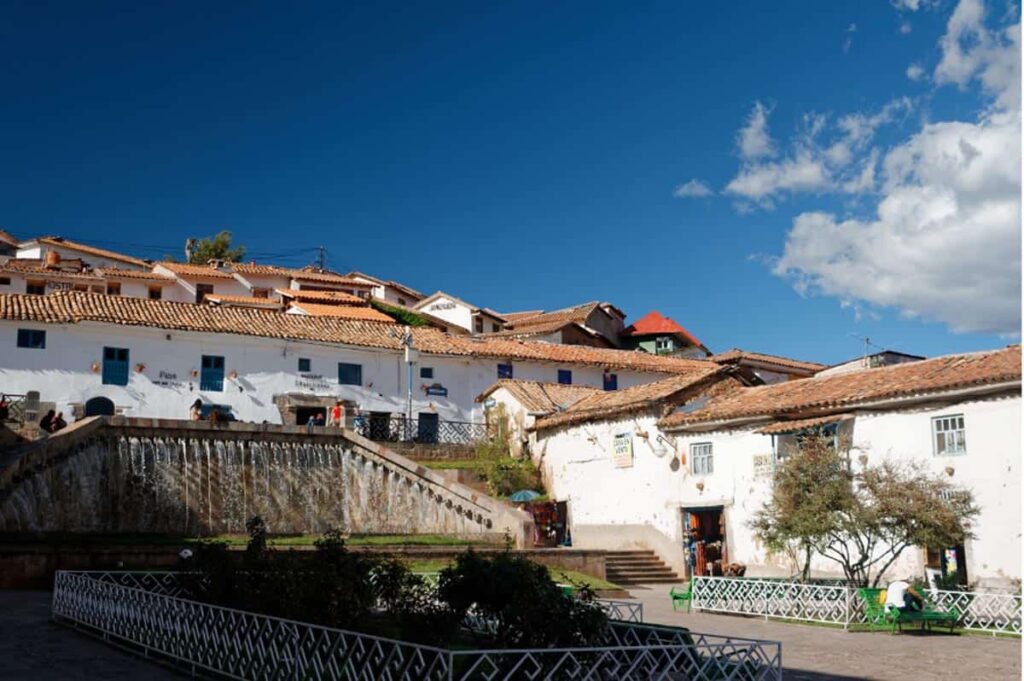
The city of Cusco attracts close to 2 million visitors each year, and once you’re on the ground, it’s easy to see why. The city packs a lot into a relatively small area, with Inca foundations, colonial buildings, museums, markets, and everyday neighborhoods all overlapping.
Most people start in and around the Plaza de Armas, where major landmarks like the cathedral and surrounding streets set the tone. From there, it’s easy to branch out into different neighborhoods. San Blas neighborhood, for example, sits uphill from the center and feels noticeably different, with narrow streets, cafés, and viewpoints looking back over the city.
When it comes to what to do in Cusco city, options range from visiting Inca sites just outside the center to wandering through neighborhoods, museums, and historic streets.
Some attractions work better than others if you’re traveling as a family, especially when you factor in walking distances and altitude. Check out our guide if you’re curious about what to do in Cusco with kids.
Plaza de Armas
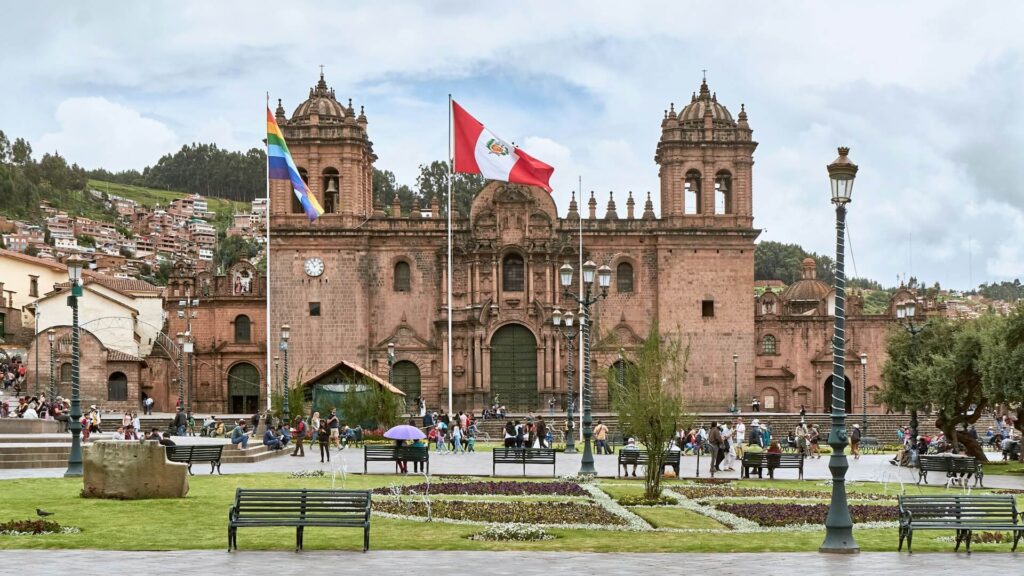
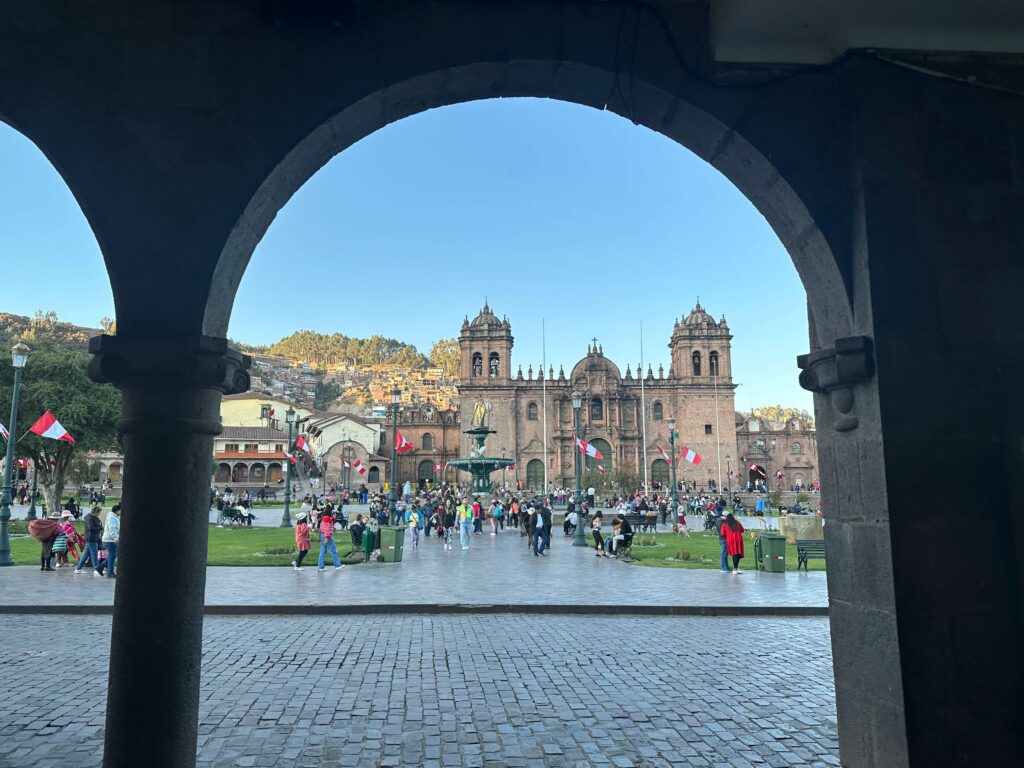
The Plaza de Armas Cusco sits at the center of the historic district and is often the starting point for exploring the city. Known as Cusco’s main square, it has been a focal point since Inca times and remains one of the busiest and most recognizable places in Cuzco South America.
After the Spanish conquest, the square was reshaped with colonial buildings and churches built over earlier Inca foundations. The two main landmarks here are Cusco Cathedral and the Church of La Compañía de Jesús, both of which dominate the square and reflect the city’s layered history.
Nowadays, Plaza de Armas is a constant hub of activity. It is buzzing with cafés, restaurants, and tour groups exploring the square.
Cusco Ruins
Cusco is peppered with ruins from the Inca civilization. Many of which sit just outside the city center and are easy to visit without a long journey. These sites help explain why Cusco mattered so much in the Inca Empire and how the city was designed as a political and ceremonial center.
One of the most striking is Sacsayhuamán, an Inca complex located on the hills above the city. It’s best known for its enormous stone walls, built from massive blocks fitted together without mortar.
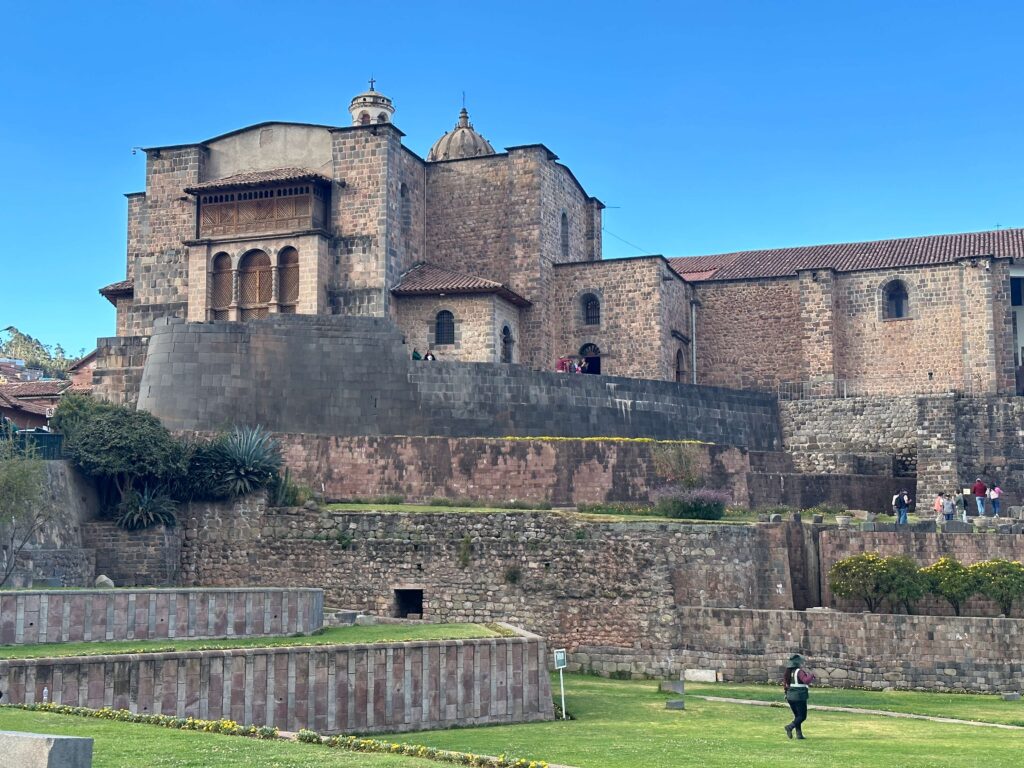
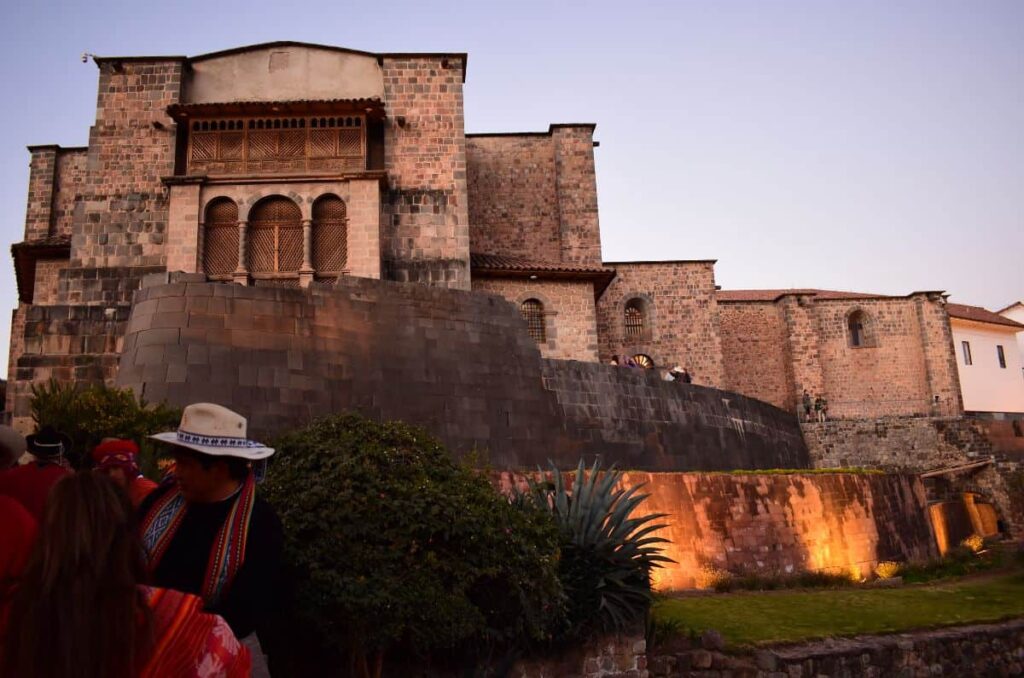
Within the city itself, the remains of Coricancha, also called the Temple of the Sun, show another side of Inca construction. Once the most important religious site in the empire and dedicated to the sun god Inti, it later became the foundation for the colonial church of Santo Domingo.
Museums
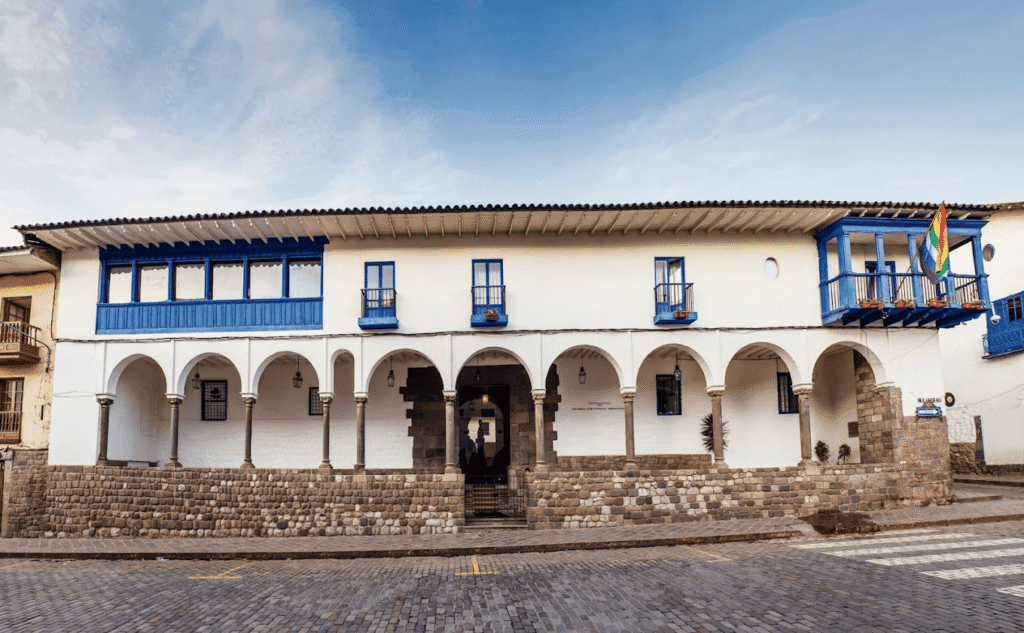
Cusco has some excellent museums that you should include in your Cusco travel itinerary. Many of these are centrally located and easy to visit between sightseeing stops.
Two of the most well-known are the Inka Museum and the Museum of Pre-Columbian Art (Museo de Arte Precolombino). Both focus on the region’s pre-Hispanic past, with collections that help explain Inca society, craftsmanship, and the empire’s establishment long before the Spanish arrived.
For something lighter, especially if you’re traveling with kids, Choco Museo Cusco is a popular stop. It combines short exhibits with hands-on activities and tastings. We share a detailed look at what to expect in our Choco Museo Cusco review, including whether it’s worth fitting into a short stay.
Attractions

Cusco’s attractions reflect its history as an ancient Inca capital and later a colonial city built on top of it. What makes Cusco interesting is how the remains of an Inca city sit alongside Spanish-era buildings, often sharing the same foundations and walls. The best thing is that many of the main attractions are within walking distance of the historic center, so it’s easy to cover many of them in a day.
- Sacsayhuamán – A large Inca fortress overlooking the city, known for its massive stone walls and views over Cusco. You can discover Sacsayhuamán and the Cusco ruins on this amazing tour.
- Coricancha – Once the most important Inca palace and religious site in the empire, it was later built over by a colonial church. (Also spelt Qoricancha)
- Historic center streets and plazas – Where Inca and colonial architecture exist side by side, often within the same structures.
- Cusco Planetarium – Focuses on Inca astronomy and worldview, with evening sessions that include stargazing.
- San Blas neighborhood – A historic area with narrow streets, much quieter than the main square.
Markets
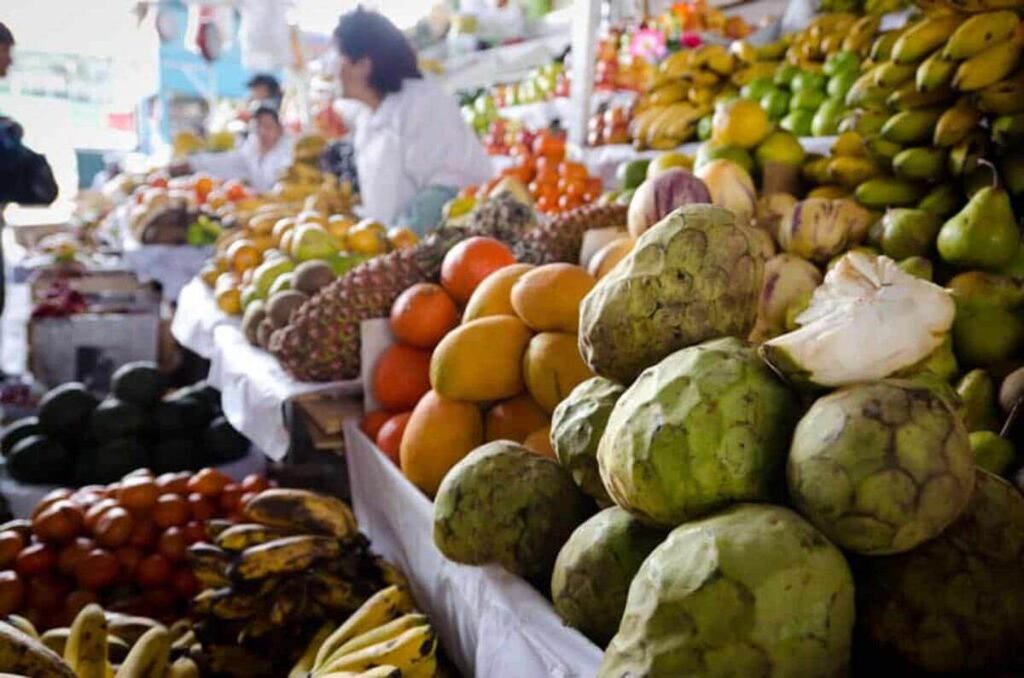
Markets are one of the easiest ways to see daily life in Cusco, especially outside the main tourist streets. Here, you can savor local delicacies and shop for souvenirs.
- San Pedro Market – The most well-known market in the city and a popular place to experience local life. Stalls here sell fresh fruit, juices, bread, hot meals, and traditional foods.
- Local neighborhood markets – Smaller markets scattered around the city that cater mainly to locals. These tend to be quieter and less tourist-focused, offering a more everyday view of shopping in Cusco.
- Craft and artisan markets – Found near the historic center and in areas like San Blas, these focus more on textiles, souvenirs, and hand-made goods rather than food. These cater for the tourist market.
You’ll also find plenty of unique and artisan shops in the San Blas neighborhood.
Nightlife
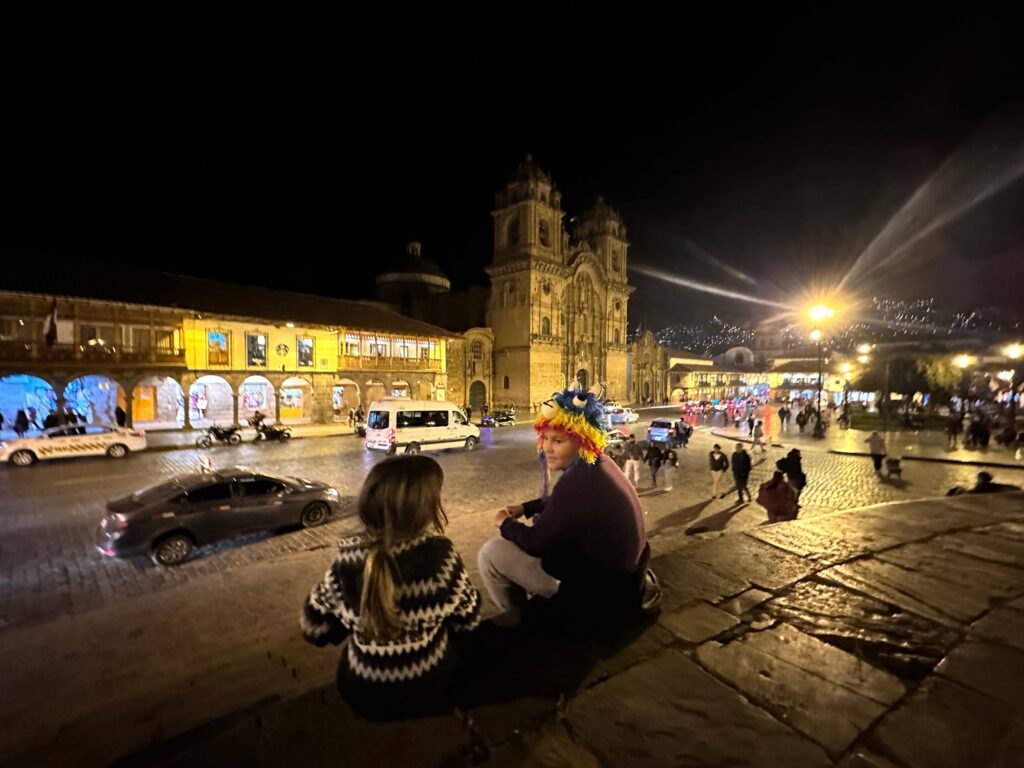
Cusco’s nightlife is more active than many people expect, especially around the historic center. Most bars and clubs are clustered in Plaza de Armas, with busy areas along Procuradores and Plateros streets. Here, places stay open late, and music spills onto the street.
Other popular nightlife spots in Cusco include Mythology, Inka Team, and Chango Club Cusco. These venues are more commercial and popular with both tourists and locals, often mixing international hits with typical music. All are located close to the main plaza and are known for late-night dancing, DJ sets, and social party vibes. Smaller bar-clubs like Massimo Café or Casa Palacio also attract travelers looking for live music or a more relaxed night out before heading to the bigger dance floors.
If you’d rather keep things low-key, Cusco has several well-known pisco bars focused on Peru’s national drink. Museo del Pisco and República del Pisco are two of the most established.
República del Pisco sits right on Calle Plateros and is large, lively, and often busy, especially in the evenings.
For a more intimate setting, Museo del Pisco tends to feel quieter and more relaxed. They often host live music and offer a wide range of house pisco cocktails, making it a good option for a slower evening without leaving the city center.
Cusco’s Cuisine
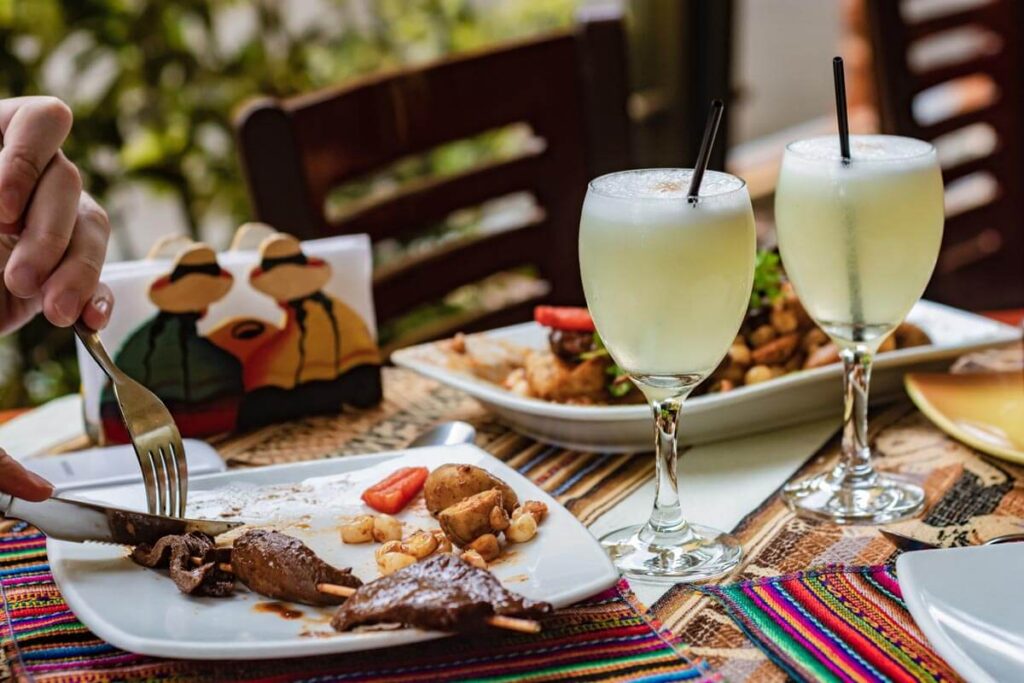
Food is a big part of everyday life in Cusco, so it’s worth spending time exploring the local cuisine when visiting Cusco, Peru. The city has quietly become one of Peru’s more interesting places to eat. Some restaurants focus on traditional Andean cooking, which includes specialties such as Ceviche, while others lean toward modern Peruvian cuisine.
One of the most recognizable is Chicha, part of the group run by Gastón Acurio. The menu centers on regional Peruvian dishes that draw on Andean ingredients and traditional cooking, with a more modern feel.
You’ll also find plenty of smaller, more traditional places around the city. Pachapapa, in the San Blas area, is known for relaxed sit-down meals and classic dishes likeají de gallina. Across Cusco, menus often include staples such as lomo saltado, chicharrón, and cuy.
Make sure you also try a Pachamanca Experience, which is a traditional meal cooked underground using hot stones.
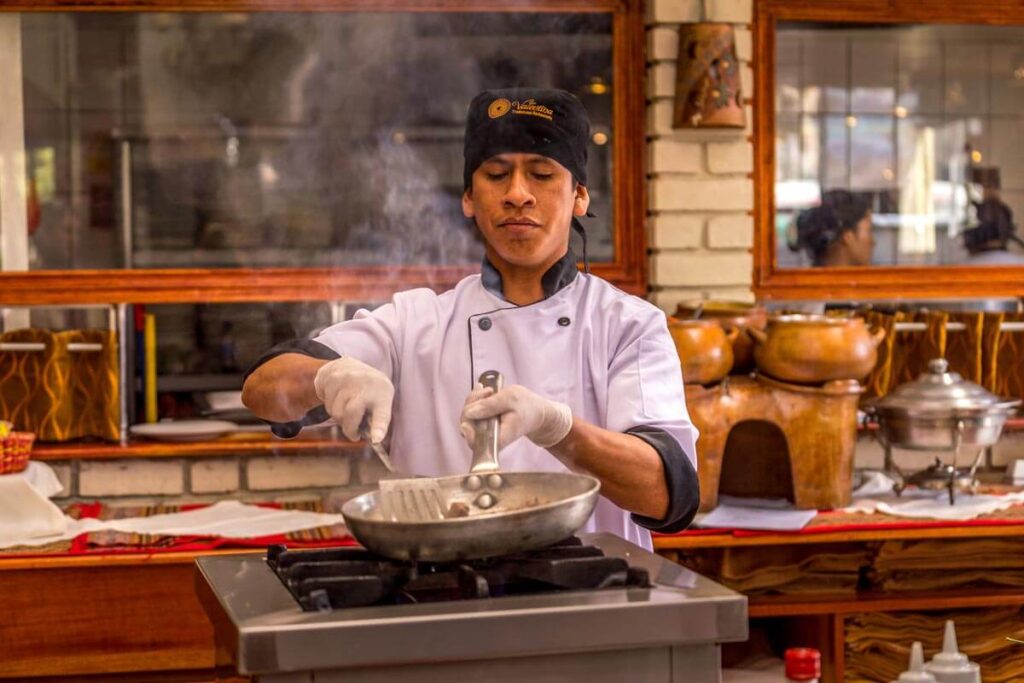
And let’s not forget the culinary delights awaiting discovery. We’ve undertaken the rewarding task of testing some of Cusco’s finest restaurants, and the results are compiled in our ultimate guides to the best restaurants in Cusco and the Top Vegetarian restaurants in Cusco. Whether you’re an avid foodie or a plant-based enthusiast, these curated guides promise a delightful blend of flavors for a truly enriching culinary experience. Join us on a journey through the heart of Cusco’s gastronomic wonders!
Where to Stay
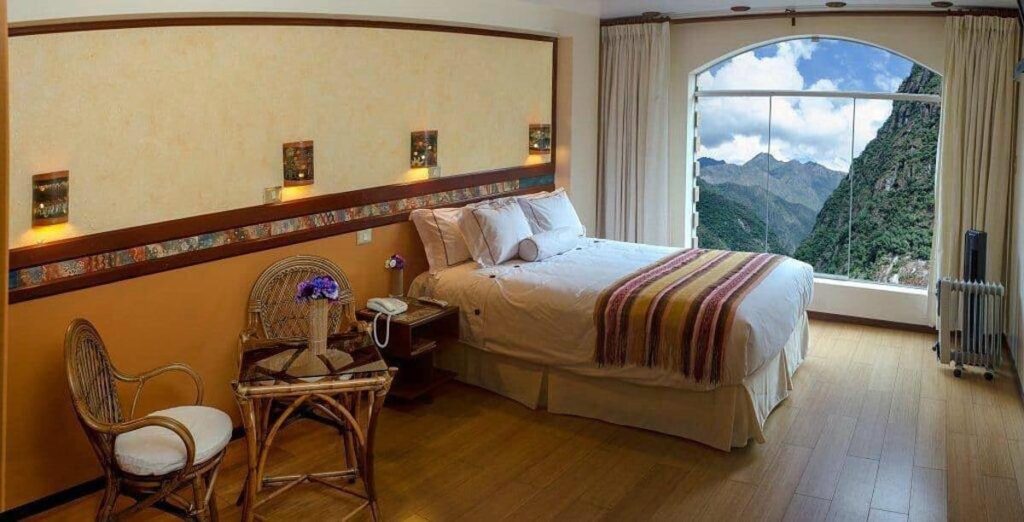
Where you stay in Cusco can shape how your trip feels, especially when you factor in altitude, walking distances, and early starts for day trips. Most travelers base themselves near the historic center or in nearby neighborhoods.
Accommodation choices often go hand in hand with how you plan to explore the region. If you’re booking guided experiences or multi-day trips, Apus Peru can help coordinate logistics, including where to stay based on your itinerary.
Location, Location, Location
The best place to stay in Cusco is around the Plaza de Armas, close to the city action. Just keep in mind that prices here are usually higher. Walking through the Historic Center, you’ll be surrounded by Spanish colonial–style buildings layered on top of monumental Inca stonework, with shops, restaurants, and tour offices close by.
Artsy San Blas is another popular area to stay. Depending on how long you plan to visit, you can find apartments or houses to rent while still being near Cusco’s main tourist and commercial zones. Many of the more unique places to stay in Cusco are found here.
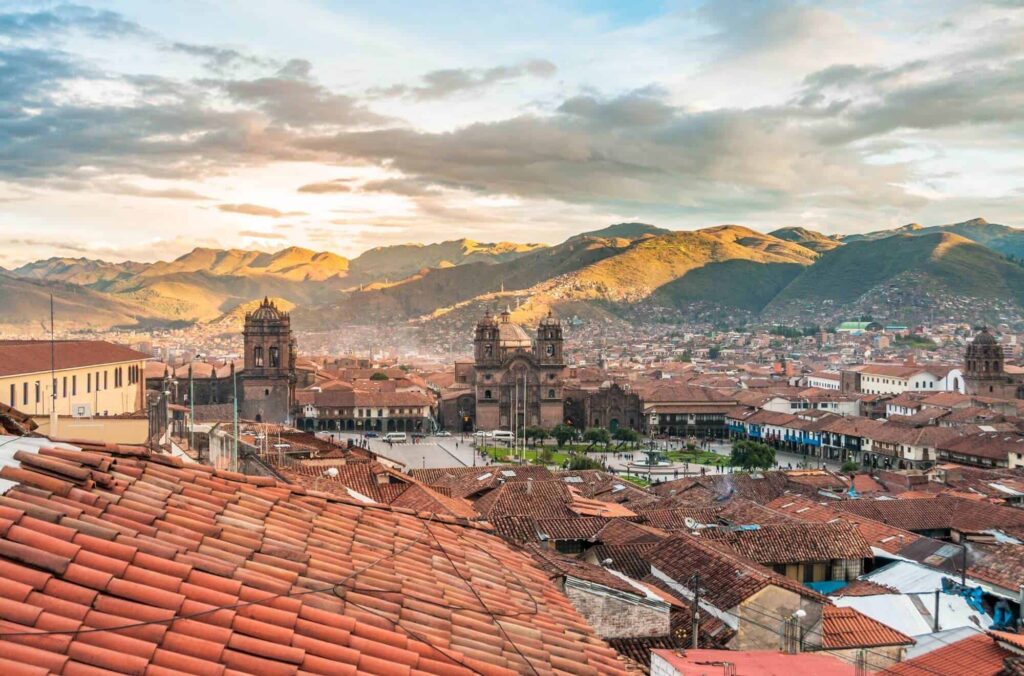
Keep in mind: The higher you go in San Blas, the more walking is involved. Some of the narrow cobblestone streets aren’t accessible to vans or buses, and others are very steep, with lots of steps. This can be challenging if mobility is a concern.
Right next to San Blas is Lucrepata, a quieter barrio with a more local feel. It’s about a 15-minute walk from the Plaza de Armas and tends to be less busy than the historic center.
There are several smaller hotels and Airbnb options in and around Lucrepata. This area works well if you prefer a more residential setting and don’t mind walking a bit farther to reach restaurants and cafés.
Overall, most mid- to upper-range accommodation options are concentrated in the center, particularly around San Blas and along the more upmarket San Agustín Street.
Without a doubt, the luxury section of town is centred on tiny Plaza Nazarenas, home to the Monasterio, Casa Cartagena, Inkaterra La Casona, and Palacio Nazarenas, a Belmond Hotel. Other major high-end hotels include the Marriott and Palacio del Inka, on opposite ends of San Agustin, with Novotel in the middle.
Where to Find Bargains Near the City Centre: “Downhill” on Av. del Sol
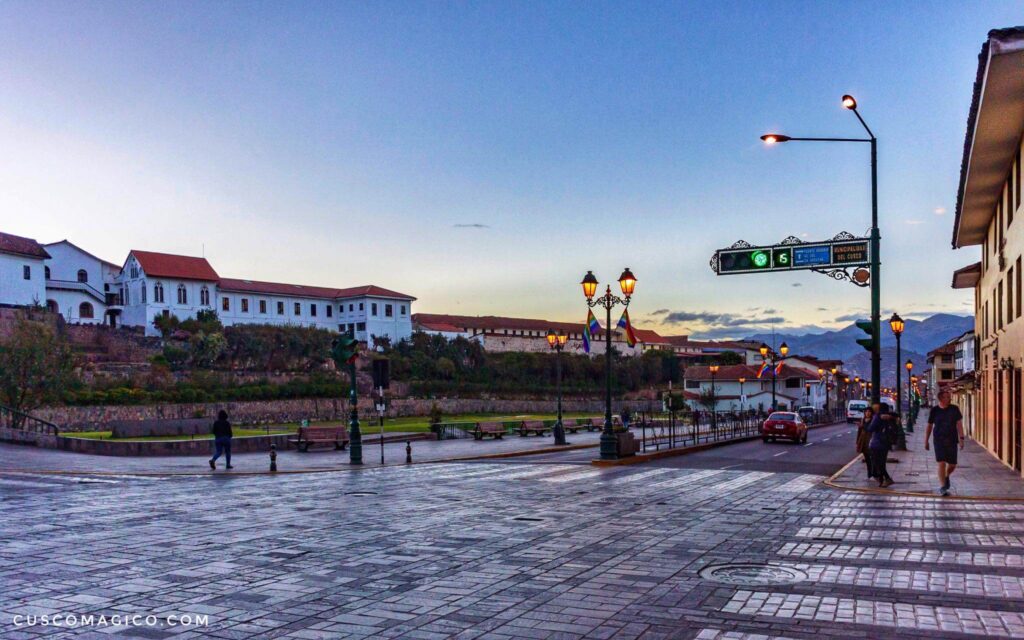
There are plenty of good-value hotels located “downhill” from the Plaza de Armas, an area that often gets overlooked. It’s a solid option if you want to stay close to the action without paying the higher prices you’ll typically find in San Blas, Plaza Nazarenas, or right on the main square itself.
It’s also worth looking at areas along Avenida El Sol, one of Cusco’s main thoroughfares. This street connects some major landmarks, including Coricancha, and provides straightforward access to major sites in and around the city. Streets like Maruri and Tullumayo to the south, and Avenida Pardo to the north, often have more affordable options while still being well located for getting around.
Cusco Tours
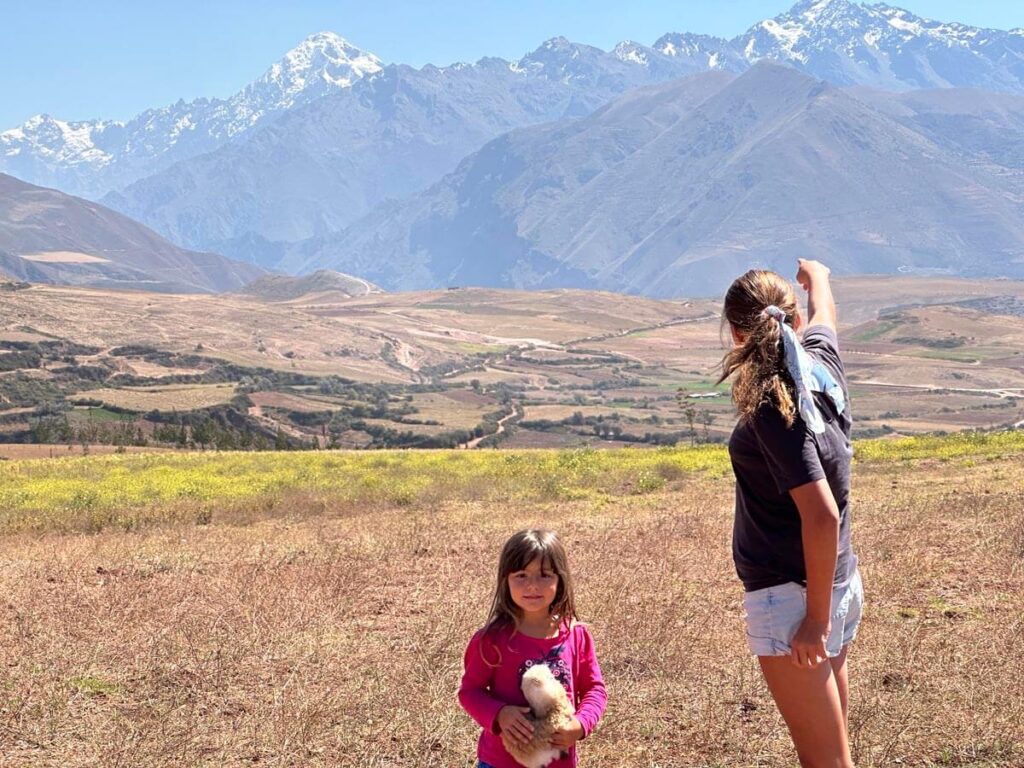
Cusco tours highlight the city’s best. If you book a guided tour with a company like Apus Peru, everything is pre-arranged, and you will have knowledgeable guides to give you an amazing time through authentic, meaningful experiences that show you a glimpse of the real Peru.
Disclaimer! I am a Co Founder of Apus Peru! We have now been operating responsible and ethical travel for 20 years, and its important to us to treat local people respectfully while providing high quality visits for our guests.
Whether you opt for a half-day city tour to get your bearings or a multi-day tour exploring Cusco, Machu Picchu, and the Sacred Valley, either as a day trip from Cusco or a multi-day experience, there’s something for everyone.
Our expert sales team personally answers every inquiry, and we take the time to customise your experience tailored to your needs and interests. We only offer private group tours, meaning you can depart any day.
Here are the top Cusco options:
- Sacsayhuaman & Cusco Ruins – 1 day
- Sacred Valley day trip from Cusco
- 7 day best of Cusco tour + Sacred Valley & Machu Picchu
Have another idea in mind or need help deciding? Get in touch with our travel specialists today >>>
Onwards from Cusco
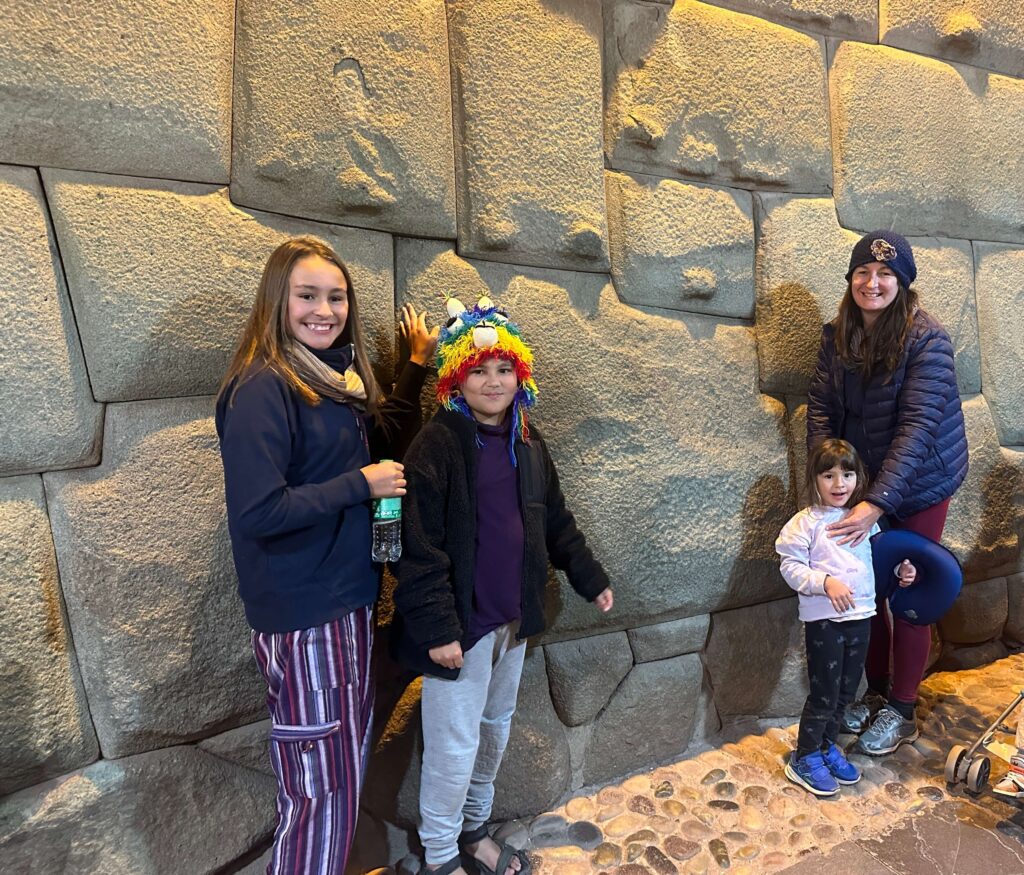
Cusco is the main gateway to some of the most memorable places in Peru, and how you plan your onward travel can shape the rest of your trip. From here, most travelers continue to the Sacred Valley, Machu Picchu, or both. Understanding how these destinations fit together makes it much easier to plan a smooth, well-paced itinerary.
Cusco to Machu Picchu

Machu Picchu is closer to Cusco than many people expect, but it still takes some planning. Most visits involve traveling through the Sacred Valley and continuing by train to Aguas Calientes before you visit Machu Picchu.
Because of ticket availability and transport schedules, Machu Picchu usually works best when it’s built into your itinerary in advance rather than added at the last minute. Some travelers prefer a simple overnight option, while others combine it with more time in the region.
You can refer to sample itineraries like this two-day Machu Picchu by train tour or a longer Cusco and Machu Picchu tour to clarify what suits you best, depending on your pace.
If you’re deciding between the two, the Sacred Valley often makes sense first, followed by Machu Picchu. This order works especially well for managing altitude and avoiding rushed travel days.
Longer routes, such as this 5-day 4-night Machu Picchu itinerary that includes Cusco and the surrounding valleys, tend to flow more smoothly when planned as one connected journey.
The Sacred Valley
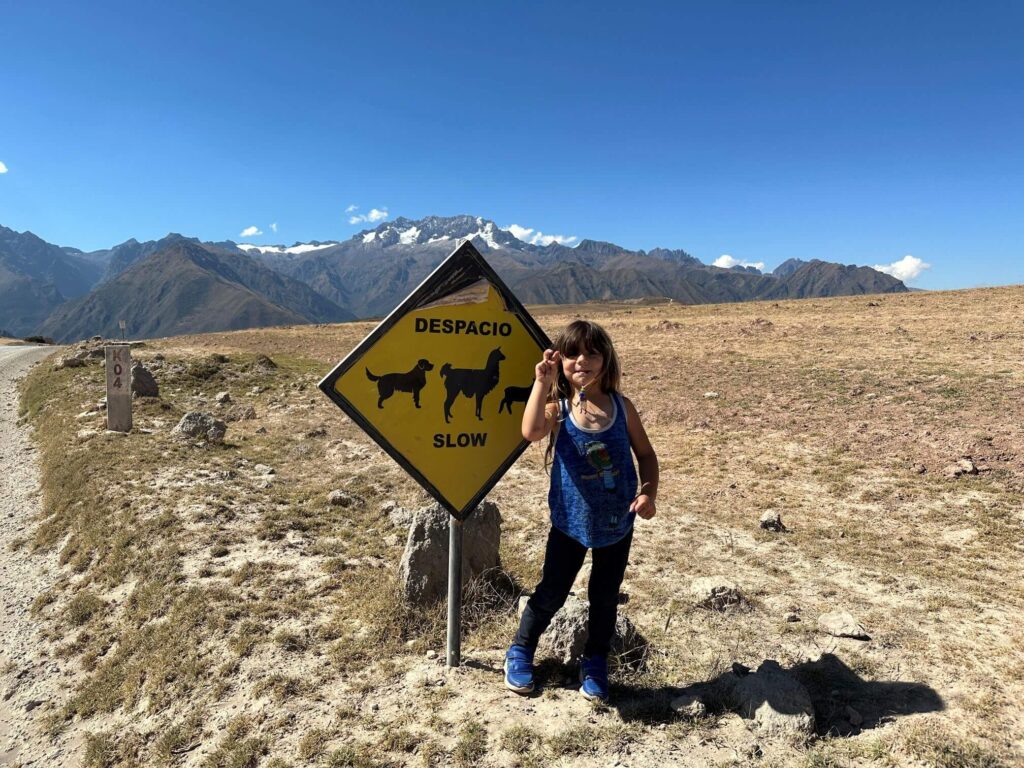
Located just outside Cusco, the Sacred Valley stretches along the Urubamba River and has a gentler pace and noticeably greener landscape than the city itself.
For centuries, this valley was a key agricultural and ceremonial heartland of the ancient Inca Empire. It’s dotted with archaeological sites, traditional markets, and small towns that feel a world apart from Cusco’s historic center.
The valley is popular with day trippers and multi-day visitors, who often include major Inca sites like Pisac and Ollantaytambo, as well as local markets and communities rooted in Andean life.
Many Cusco itineraries include the Sacred Valley as a day trip, but if you have the time, staying a night or two allows you to see more and travel at a gentler pace.
If you’re wondering how to structure your visit or what order of stops makes the most sense, here’s how to plan the best Sacred Valley tour from Cusco.
Amazon

Most people think of Cusco as the gateway to Inca history, but the region also connects well to another side of Peru: the Peruvian Amazon. If time allows, I suggest visiting this region south of the Andes, known for its lush rainforest, where rivers, wetlands, and dense canopy support some of the richest biodiversity in the world.
If you plan to include the Amazon on your itinerary, you can choose from short excursions to longer lodge stays deep in the jungle, where you can see wildlife, take boat trips on tributaries of the Amazon River, and learn about Indigenous cultures that live along the waterways.
If you need suggestions of the best places to stay, this guide to Peruvian Amazon lodges breaks down options from more basic to deeper-in jungle lodges, including tips for families and what conditions are like at each place.
Discover Amazon trips from Cusco here >>>
Final Words
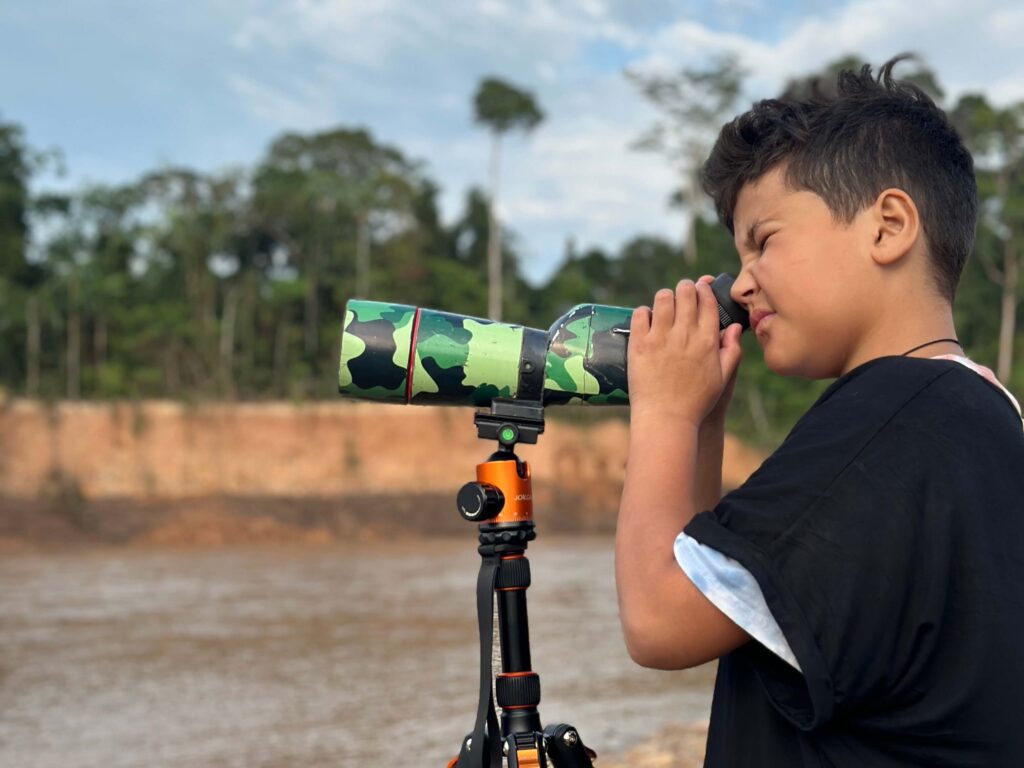
Cusco tends to surprise people, especially once you move past the highlights and give it time. Planning matters here more than in most places, since altitude, distance, and pacing can shape the entire experience. Small decisions often have a bigger impact than expected.
Thinking about a broader South America itinerary? Our South America travel tips can be helpful.
FAQs
There is no difference. Cusco and Cuzco refer to the same place, so don’t be confused by the different spellings. Locally, the city is spelled Cusco with an “s,” based on cultural and linguistic reasons. In the original Quechua pronunciation, the “z” sound didn’t exist. Around 40 years ago, authorities officially banned the use of “z” in publications to promote the “s” spelling. You may also see the names Kosko or Qosqo, which reflect the Quechua version.
Cusco is famous because it’s the former Inca Imperial City and one of the most important cultural heritage sites in South America. It’s known for its Inca ruins, massive Inca Walls, and colonial architecture built after the Spanish conquest, including landmarks like Cusco Cathedral.
Yes, Cusco is very walkable, particularly around the historic center. Many major sites, including Inca ruins, Inca Walls, museums, and colonial buildings, are close to each other. However, steep streets and altitude can make walking more tiring than expected.
Spanish is the main language in Cusco, but English is widely spoken in hotels, restaurants, tour agencies, and along the Inca Trail. Outside tourist areas, English is less common, especially in local neighborhoods.
Several major Inca ruins sit just outside Cusco. These include the Sacsayhuamán, Qenqo, Tambomachay, and Pisac in the Sacred Valley. Cusco is also the starting point for the Inca Trail leading to Machu Picchu.
Yes, you can fly directly into Cusco via Alejandro Velasco Astete International Airport. It has frequent domestic flights from cities like Lima and serves as the main gateway to Cusco, the Sacred Valley, and nearby Inca ruins.

Add comment