

Last Updated on December 30, 2025 by Ariana Svenson
Are you planning a trip to the Peruvian Amazon and trying to figure out where to go, how to get there, and which activities are truly worth your time?
Since visiting the Amazon in Peru is an amazing bucket-list experience, of course, you’ll want everything to go smoothly! Yet with so many regions, lodges, tours, and river routes to choose from, the planning process can feel overwhelming.
The Amazon rainforest spreads through Bolivia, Brazil, Colombia, Ecuador, and Peru. We’ve also visited (and absolutely loved) the Amazon in other places. But there’s something uniquely special about the Peruvian Amazon rainforest. Perhaps it’s the accessibility, the sheer amount of wildlife, the incredible rainforest expeditions, or the cultural heritage.
Here is a comprehensive guide for anyone planning to visit the Amazon jungle in Peru. We break down the regions, the best time to visit, and everything else you need to know. It is sure to make your Amazon vacation memorable.
This post may contain affiliate links, from which we would earn a small commission, at no extra cost to you. More info in my disclaimer.
Why Do Some People Say Peru is the Best Place to Visit the Amazon?

Peru is the best place to visit the Amazon because it covers 2/3 of the country and is well-protected, it contains highly biodiverse regions, and offers easy accessibility to visitors without damaging the environment.
Once you arrive, you’ll find a network of conservation-focused Peruvian Amazon lodges and community-run projects that are genuinely committed to protecting the forest, not just saying they are.
Peru is also home to several distinct regions that feel almost like different worlds. You can explore the Peruvian rainforest near Iquitos, wander through the quietly enchanting oxbow lakes of Tambopata, or journey to the remote, wildlife-rich Manu Biosphere Reserve.
Many of the world’s long-term wildlife studies take place in Peru. Therefore, your chances of spotting rare wildlife species (giant river otters, tapirs, macaw clay licks) are higher simply because scientists have been studying and protecting these areas for decades.
And then there’s the cultural side. It’s home to indigenous communities that have maintained strong traditions, languages, and relationships with the land.
All in all, the Peruvian Amazon is a must-visit destination, and I can’t wait to go back!
Where is the Peruvian Amazon?

The Peruvian Amazon is located in eastern Peru. It stretches across several regions, including Loreto, Madre de Dios, Ucayali, and Amazonas. This area is covered by dense rainforest, winding rivers, and abundant wildlife.
The Amazon rainforest in Peru begins near the eastern edge of the Pacaya-Samiria National Reserve, where the Ucayali and Marañón rivers meet.
While the river’s exact length is still debated, this confluence is widely recognized as the point where the ‘Amazonas’ begins its journey. From here, the river travels thousands of kilometers across South America before eventually emptying into the Atlantic Ocean. This area is one of the most untouched parts of the Amazon rainforest (more South America facts here).
When to Visit – The Best Seasons
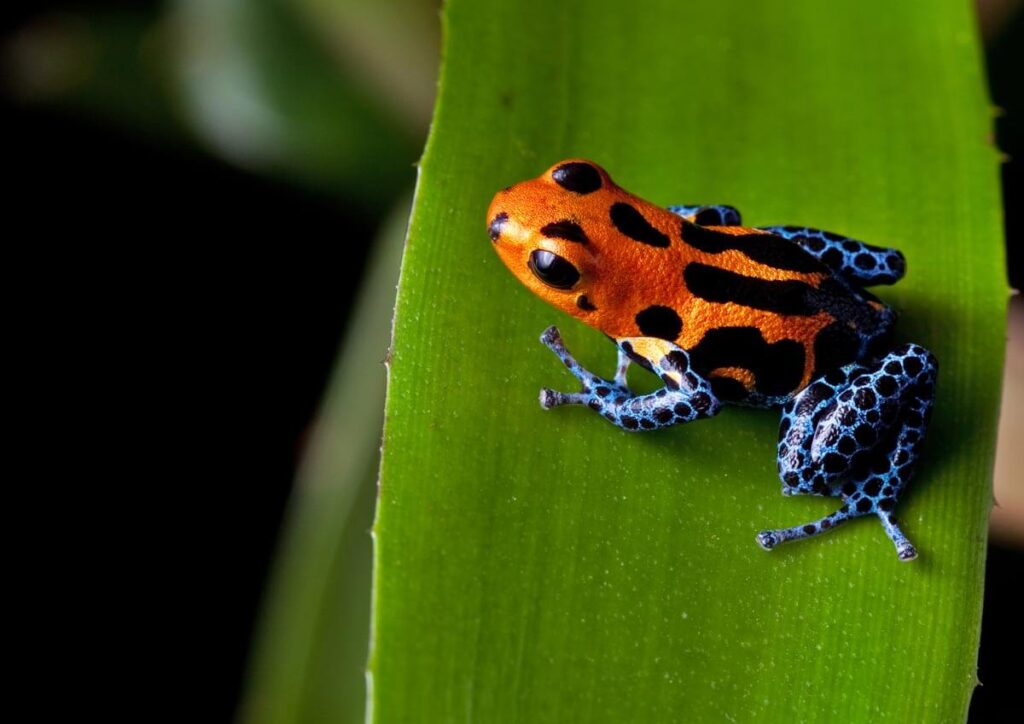
The best time to visit the Peruvian Amazon depends on what you want to see and do. The region has a tropical climate with two main seasons: the dry season (May to October) and the wet season (November to April).
During the dry season, rivers are lower, so it’s much easier to explore jungle trails, spot wildlife, and take Amazon river trips. The weather is generally sunnier, which is ideal for hiking in the Peruvian Amazon rainforest.
How to Get to the Peruvian Amazon

Peru’s Amazon jungle can be accessed via Iquitos, Manu, or Puerto Maldonado. From there, you can reach jungle lodges, take river cruises, or join guided rainforest expeditions.
Many of these tours focus on exploring the wildlife, discovering local culture, and learning about conservation.
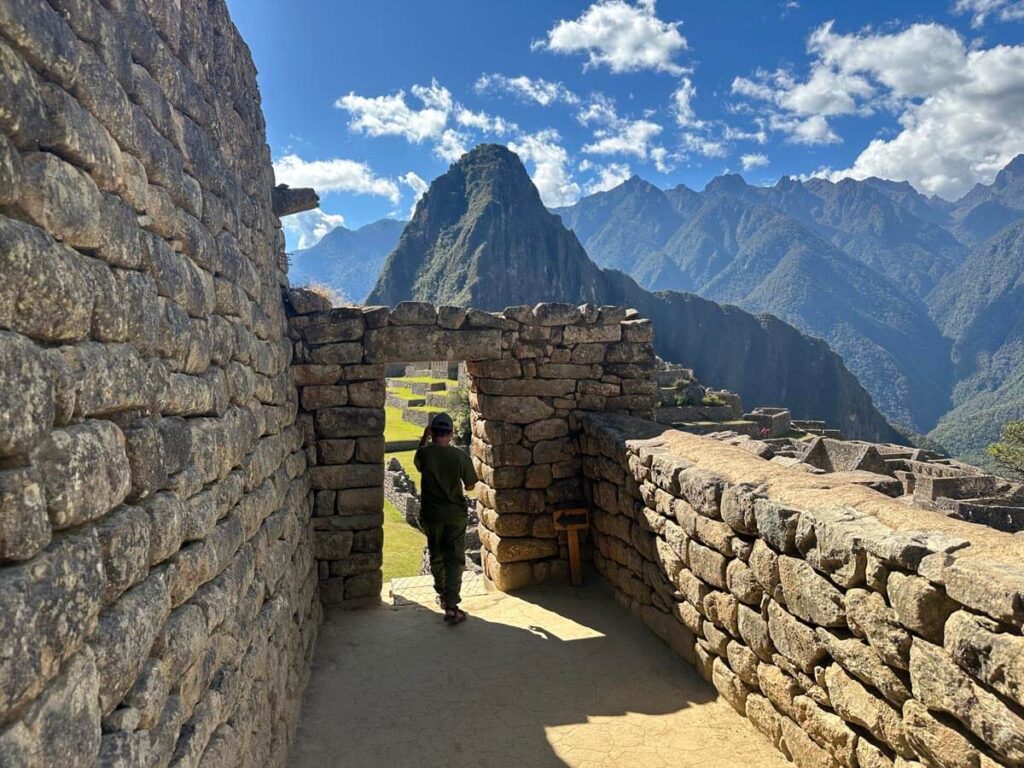
If you’re visiting other areas of Peru, such as Machu Picchu and Cusco, here are some more details about Amazon trips from Cusco.
Each different area of the Amazon has different pros and cons, and depend on you as an individual. There are amazing luxury lodges around Tambopata, while if you are looking for an opulent romantic riverboat experience, then a jungle cruise out of Iquitos is going to tick your boxes.
Budget is also a major consideration – I’ve travelled in all these jungle areas extensively as a backpacker and even spent months volunteering in the Amazon. As time has gone on, I’ve come to enjoy my comforts more, and travelling with 03 children comes with its own limitations. Our last trip was completely designed around ease of access and comfort, and we didn’t take budget into account.
Certainly, if you are traveling with kids then I think the Puerto Maldonado area is easy to access from Cusco and ticks off all of the major ‘bucket list’ opportunities.
If you are interested in combining a Machu Picchu visit, with Rainbow Mountain and the Amazon jungle, Apus Peru offers this one:
Amazon Jungle & Machu Picchu 10 Day Tour
Amazon Rainforest in Peru: Regions and Map
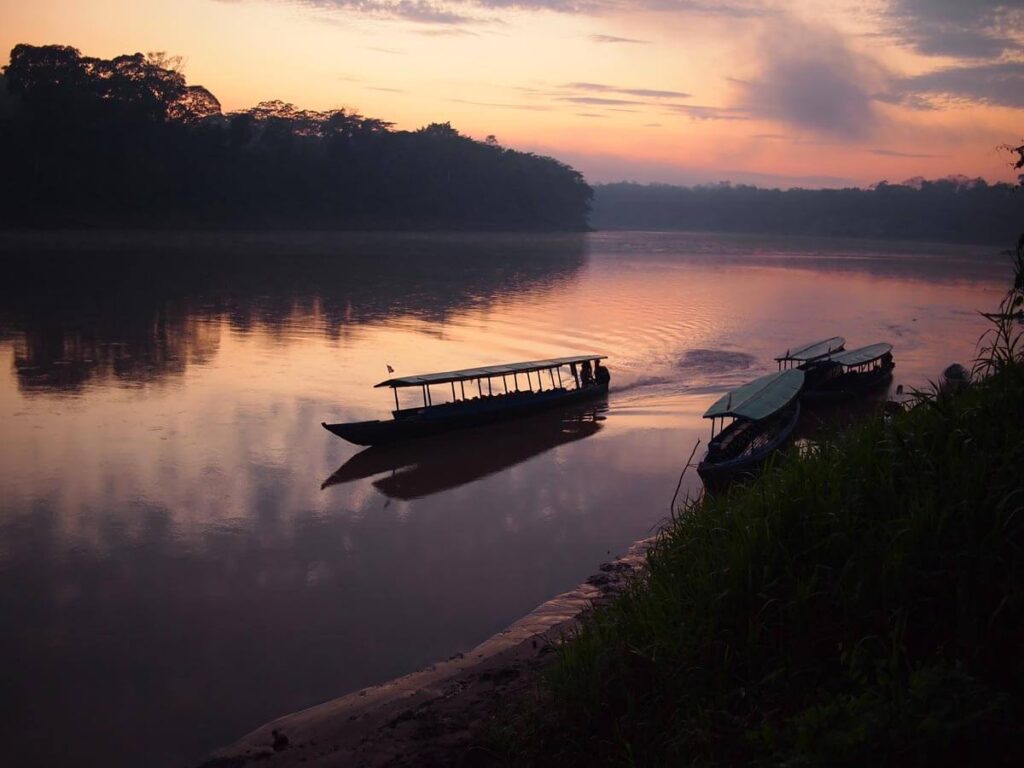
The Peruvian Amazon is divided into three main areas: North, Central, and South. Some people split the Amazon into the Northern Amazon basin and the Southern Amazon basin.
While the north is known for its wide rivers and remote, boat-only access, the central region is more rugged and less visited, with large protected reserves. The south is the easiest to reach and a popular place for spotting wildlife.
Here’s everything you need to know, including a map of the Amazon in Peru:
Iquitos

Iquitos requires a 2-hour flight from Lima. It is a city deep in the heart of the Amazon, not accessible by road. That’s right – you either have to fly or take a boat. In fact, Iquitos is the largest city in the world that cannot be reached by road. We’ve actually reached Iquitos by boat before, but that’s a story for another day.
The city’s architecture reflects its past wealth from the rubber boom, with buildings like the historic Iron House being prominent examples.
With Kids? There is a wide range of jungle lodges and experiences around Iquitos, but we have not done them with kids. High on my travel with kids bucket list is taking one of the Riverboats on the Amazon. Alternatively, because of my son’s special needs, if we do visit Iquitos when next in Peru, I’ve already picked the Ceiba Tops lodge, operated by Explorama, as the best option for him and our family.
Manu

One of the most biodiverse places on earth, I once cycled from the Andes down to Manu. Yes, that’s right! However, it’s a long way down to Manu by road and boat. Then it is generally a 7-day trip if you want to get deep into the jungle. Additionally, traveling to Manu involves a flight back in a small light aircraft to get out of the jungle.
With Kids? It’s not a journey I would recommend with little kids! Wait until your children are teens or young adults so that they can fully appreciate just how special the biodiversity of Manu is!
Puerto Maldonado

Sleepy Puerto Maldonado is an excellent jumping-off point for the Tambopata region of Peru. It’s very accessible, with a 1-hour flight from Cusco to Puerto Maldonado, so you can wake up in the Andes and be at your jungle lodge just after lunch. While the jungle experiences range, depending on the quality of the operator and their distance from the town, this is an excellent spot for your first Amazon jungle experience. View the top Puerto Maldonado Amazon tours here.
With Kids? This is our first choice for visiting the Amazon jungle with kids, and I took my 3 children to the Tambopata region in 2023.
Top Experiences & Activities

There’s plenty to enjoy in the Amazon rainforest, Peru. You can walk through the jungle, explore the Amazon river on a boat, or visit some indigenous communities and experience what it is like to live in the Peru jungle.
Need inspiration? Here are the top experiences and activities:
1. A Jungle Walk at Night

There are a number of benefits to jungle night walks; one being that it’s slightly cooler at night, and it’s not so sweaty. It’s also when the nocturnal animals come out. The birds go to bed, but there is a very loud, intense chorus of insects and frogs.
Given that a jungle night walk is an entirely different sensory experience, I highly recommend joining one wherever you are in the Amazon jungle.
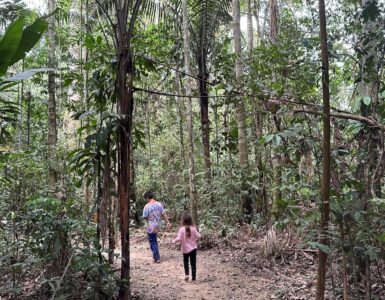
As you walk through the trails, guides will often point out insects and tiny creatures living on the rainforest floor.
It’s one of the best ways to notice the small details you might miss during the day. Guides are skilled at spotting creatures hidden in the dark, so you’re sure to spot one during your walk.
2. Jungle Treks in the Amazon Jungle

In my experience, jungle treks are usually done in order to take you from point A to point B – for example, from the jungle lodge to an oxbow lake, or to a nearby indigenous community.
Given that the jungle is hot -really hot and steamy, a jungle trek is quite hard work.
Certainly, you might have a family of monkeys overhead, or a unique bird fly by – but I’ve never personally done long-distance jungle treks.
Most treks in the Amazon jungle in Peru are short and focused on getting you to a specific spot rather than covering long miles. The humidity, heat, and uneven trails make long hikes challenging even for experienced trekkers.
Shorter treks, however, are a great way to learn about plants, insects, and animal tracks with the help of a local guide. They also give you the chance to pick up interesting facts about the Amazon rainforest and its surrounding ecosystem along the way.
3. River Boat Cruises

There are two kinds of boat experiences in the Peruvian Amazon. The first is a multi-day river cruise, where you stay on a larger boat and explore the Amazon River and its tributaries in comfort.
The second is a short boat transfer, usually in a small boat or speedboat, used to reach the Peruvian Amazon jungle lodges or nearby sites.
There are River cruises that operate out of Iquitos, with Luxury boats that travel the Amazon River and its tributaries, like the Marañón. Then, small skiffs are taken from the main boat out into the jungle for different day trips. We recommend booking with Rainforest Cruises.
If you have safety concerns regarding your trip to the Amazon rainforest, then please do be reassured by the fact that riverboats go through regular and very strict safety checks. The boats and their crew are well prepared and equipped for emergencies. Discover more about safety in South America here.
In addition to River Cruises, there are boat trips on the Amazon. These are typically done in small boats or even speedboats. These usually last from 1 to 2 hours and are not river cruises but a way of getting from the port to your lodge. These are quite different from the river cruises, but do offer a chance for spotting animals along the riverbank.
Amazon River Riverboat Cruises with Kids

Each operator will also have minimum age requirements. So do check this before you get into planning that Amazon rainforest vacation with your kids! Typically, operators will require children to be aged seven or over at the age of 7, for their Amazon river holiday.
Before taking that Amazon cruise with kids, you should know that some of the boat trips from the towns out to the jungle lodges can be lengthy. Obviously, the more remote the lodge, the longer the trip will be. The payoff will be a more authentic experience, however. When taking Amazon rainforest family vacations, you might want to think about sacrificing some authenticity for less travel time!
Fun Tip!
This is a flight where you definitely want to get a window seat! Watching the high Andes give way to the low, flat jungle is fascinating, as are the meandering jungle rivers. You can really get an appreciation for the landscape and how it all works from above. In fact, it really adds to your jungle experience and understanding.
4. Canopy Tours in the Peruvian Amazon Rainforest

In order to do a Canopy tour, you need to make sure that the lodge that you are staying at offers it. Not every jungle lodge has a canopy walkway – some have Canopy towers.
Here are the more notable ones in Peru.
Near Puerto Maldonado
- Inkaterra Canopy Bridge: A thrilling network of bridges and platforms that provides a unique perspective of the Amazonian canopy.
- Refugio Amazonas Canopy Tower: A 30-meter canopy tower that offers fantastic views of the rainforest and is a great spot for birdwatching. More about this in our Refugio Amazonas review.
- Sandoval Lake Canopy Walkway: Includes a suspension bridge network linking observation platforms, with opportunities to see toucans, woodpeckers, and sloths.
Near Iquitos
- Ceiba Tops Canopy Walkway: A suspended walkway with tree platforms that reaches a height of over 35 meters (115 feet) and is accessible without special equipment.
The Amazon Conservatory for Tropical Studies (ACTS) Canopy Walkway is a prominent scientific research and ecotourism feature located in the Napo-Sucusari Biological Reserve near Iquitos. It is accessed via lodges operated by Explorama, such as the Explorama Lodge and the ACTS Field Station.
5. Visits to Local Communities
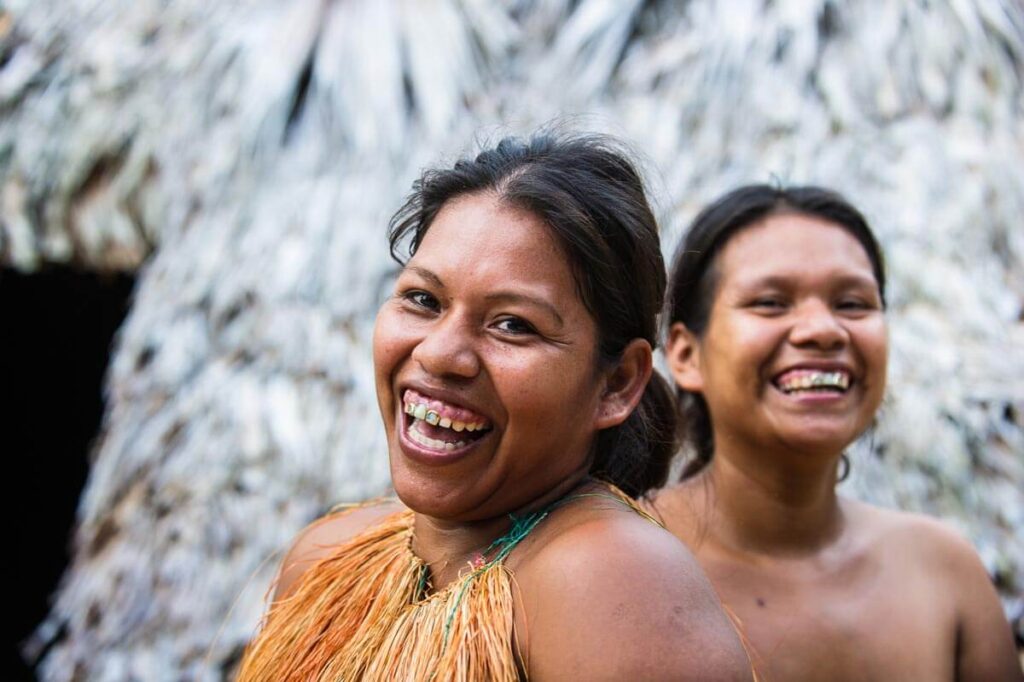
Curious about how people live in the Peruvian Amazon? Consider visiting the local communities. These tours include a stop at indigenous communities, where you can meet the people who have lived in the rainforest for generations.
If you want to support indigenous communities and help protect their culture, then joining these tours is highly recommended. It’s a meaningful way to understand the Peruvian Amazon beyond the wildlife and its scenery.
Look for tour operators that have a genuine connection with the community you are visiting, or even for lodges that are co-owned by their local community. Look for ethical accreditations and dig deeper, so that you can be sure it is beneficial, not exploitative.
Visiting with kids: These visits are perfect for a Peru family vacation, especially those with curious little kids. It offers a hands-on way to learn about daily life, traditions, and the connection between the forest and the people who rely on it. You might see how they create crafts, prepare food, or use plants for medicinal purposes.
6. Clay Licks

A clay lick is an area of natural clay, usually found along riverbanks, where animals come to eat the minerals in the soil. Many birds and mammals visit these places because the clay helps balance their diet and reduce toxins from the plants they eat.
Clay licks are common in the Amazon rainforest and often attract large groups of wildlife.
There are two main types of clay licks.
Bird Clay Lick

There is no real difference between “macaw clay licks” and “parrot clay licks.” Both terms refer to the same thing: places where macaws, parrots, and other birds come to eat clay. They do this to help remove toxins from their food and to get extra minerals.
What changes is the type of birds you see. Some clay licks attract more large macaws, while others attract smaller parrots and other bird species. The lick itself is the same, but it’s the type of birds that vary.
Bird clay licks are generally visited by a range of lodges that are located within the vicinity. If you have a special desire to see a certain type of bird, then it’s important to read the Lodge’s programs carefully or even contact them.
Mammal clay lick

It’s important to know that, unlike parrots and macaws that visit clay licks almost every day, mammals move on their own schedule.
Mammals don’t always show up, and that unpredictability is part of the excitement. Remember, you are not visiting a zoo. You are in the wild Amazon, where everything happens on nature’s terms.
A good guide will read the forest for you, looking for tracks of different mammal species, sounds, and small signs to give you the best chance of seeing them.
Note that in Tambopata National Reserve, not all clay licks are open to every visitor. Unlike other clay licks in the region, the Mammal Clay Licks at Refugio Amazonas and Posada Amazonas are exclusive to those lodges.
7. Wildlife Spotting
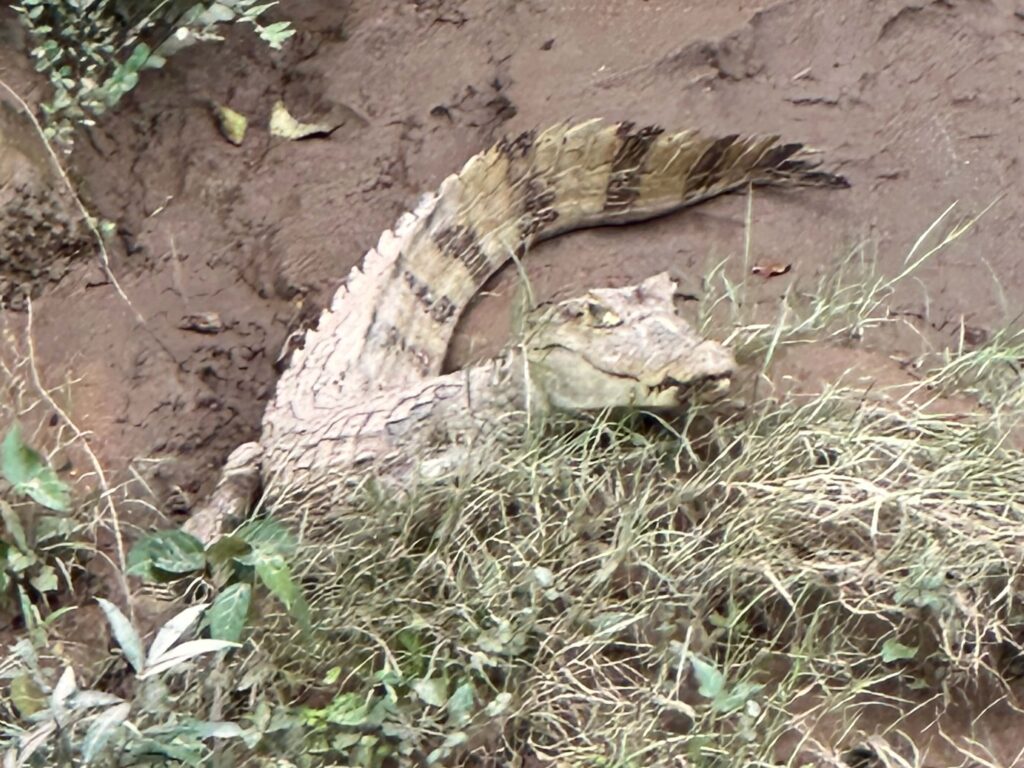
I think it is important to mention that the Amazon Jungle is absolutely huge. To see a lot of wild animals on a jungle tour, you have to go very deep into the jungle … which takes time. Once deep in the jungle, you also need to walk for a long time (probably without a 4-year-old talking in a high-pitched voice)! That said, we were delighted by the number of animals we saw!
It definitely sounds like it comes down to luck, as another family saw a family of Capuchin Monkeys right near the Canopy tower on their first day. And, by the law of odds, the longer you spend in the jungle, the more you are likely to see!
- Capybara
- Agouti
- Caiman – two different species
- Lots of parrots
- Scarlett and blue and yellow macaws
- Squirrel monkey
- Hoatzins
- Tarantula
- We heard the howler monkeys
- We didn’t see a toucan, many monkeys, or giant river otters
The Amazon With Kids: The Most Pristine Rainforest in the World

Here’s what the Amazon rainforest for kids is all about. Once you arrive in the area, the jungle lodge you stay in will become your base. You can then take a short boat trip with the family in the hope of spotting local wildlife, while seeing the flora of the area during your Amazon rainforest experience.
Fauna-loving kids will adore spotting all sorts of creatures, including exotic toucans, colourful parrots, caimans (a close relative of the alligator), and large river-dwelling otters. They might even be thrilled to see a real-life tarantula or go fishing for piranhas. The Amazon rainforest for kids is a thoroughly fascinating but sometimes slightly frightening place!
Other fun things for kids to do in the area can include jungle treks, swimming, canoeing, kayaking, exploring by skiff (a small river boat), local village and market trips, wildlife centre visits, and more.
Planning a family trip to the Peruvian Amazon? Apus Peru makes it easy to explore the rainforest with your little ones!
APUS can arrange activities for you and your family. For example, you can join the Virgen del Carmen Festival Tour to experience a colorful, family-friendly cultural celebration in Peru.
From kid-friendly lodges to guided jungle tours and family-friendly excursions, APUS takes care of the details so you can focus on enjoying your fun adventure with the kids and create unforgettable memories.

What Age Are the Kids?

The jungle is hot, sweaty, and has lots of bugs, not just mosquitoes but wasps, bees, and other flying things. It can be uncomfortable. There are also some long boat rides! Also, when you are in the jungle, you usually need to do hikes of 15 minutes to 1 hour or more in order to get the full jungle experience. Plus, to truly see animals, you have to be quiet!
On our recent visit to the Peruvian rainforest with kids, our children were aged 4.5, 9, and 13. Believe me, when we were approaching animals on the river shore, the 4.5-year-old was talking at the top of her voice. I was not focusing on the experience, but just trying to keep her quiet. There were many other people on the boat whose experience I did not want to ruin.
So the answer is – you can probably manage an Amazon jungle visit with a 4-year-old plus. However, the older they are, the more they are going to get out of it. My 13-year-old was fascinated by the birds, butterflies, and grasped just how special the experience was. The other two kids enjoyed some aspects of the Amazon tour, but not all of it.
Other Things to Think About

How Do You Feel About Jungle Diseases?
The other thing you need to consider before heading to the jungle is tropical diseases like Malaria, Dengue Fever, and Yellow Fever.
There are mosquitoes in the jungle. While the lodge we stayed at, Refugio Amazonas, did a great job of keeping mosquitoes away from the main lodge area, there were mosquitoes out and about while we were exploring the jungle. I had a bad experience taking anti-malarials as a young traveller, so I wasn’t going to do this to my kids. The year that we visited the jungle, there was a Dengue Fever outbreak in Peru.
Finally, some countries require you to be vaccinated against Yellow Fever if you have been in a yellow fever area prior to arrival. Australia and Costa Rica both insist on a yellow fever vaccination if you have been to Peru prior to arrival on their shores. Make sure you seek advice before you travel.
Also look at our detailed post Travelling and the risk of Malaria in kids.
INSECT REPELLENT
We used nearly a whole bottle in 3 days. Plus, the kids wore insect repellent patches that seemed to keep the bugs away.
In order to have the best experience of Peru jungle tours, we would recommend being clear with your expectations. Outline your children’s ages and abilities, and understand what budget and time frames you have.
What About the Bugs?
Given we were warned so often about mosquitoes and super prepared, the bugs weren’t too bad. That said, there were wasps on the canopy tower and bees.
What to Pack for Your Peru Jungle Tour

Packing well can make a big difference in your Peru jungle adventure.
To help you get ready, check out our full Peru packing list, which covers everything from clothing and bug repellent to trekking gear for rainforest expeditions. There’s also this fantastic Amazon Peru packing list from Apus Peru.
Here are a few more tips on what to pack for your trip:
- You don’t need a lot for your Peru jungle tour; lightweight clothes are best.
- Light long-sleeve shirt (for protection against mosquitoes).
- Light long-sleeve pants
- T-shirt & shorts for your time around the lodge. (If your lodge doesn’t have mosquitoes – ours didn’t.)
- Thongs/flip flops.
- Comfortable hiking shoes – and extra pairs of socks for sweat / getting your feet wet.
- Hat and sunscreen.
View more South America travel tips here
Other Peru Resources: Machu Picchu and Beyond
Having lived in and travelled extensively throughout Peru, we have lots of experience with traveling in Peru. Whether you are planning an Amazon holiday or a family trip to Peru, we have you covered. Below are some of our most popular Peru posts.
Things to do in Lima with kids
Final Words: Planning a Trip to the Amazon in Peru
As you can see, a visit to the Peruvian Amazon offers plenty of opportunities for amazing adventures, from jungle treks and river cruises to visits with local communities. There’s so much to see and do here, and every corner of the rainforest holds its own surprises.
If you’re ready to plan your trip and make it stress-free, get in touch with Apus Peru. They can help you arrange lodges, tours, and activities so you can make the most of your time in the Amazon.
Discover the fantastic guided Peru rainforest tours here >>>
Amazon Peru FAQs
Absolutely! The Amazon Rainforest is one of the most unique places on Earth. You can see incredible wildlife, explore the Amazon River by boat, trek along jungle trails, and learn about the communities that call it home.
The Amazon Rainforest is massive. It covers about 5.5 million square kilometers (2.1 million square miles). It stretches across nine countries, including Brazil, Peru, Colombia, Bolivia, Ecuador, Venezuela, Guyana, Suriname, and French Guiana.
Peru has roughly one-third of the Amazon Rainforest within its borders. The Peruvian Amazon stretches across several regions, including Loreto, Madre de Dios, Ucayali, and Amazonas. It is known for its rich biodiversity, protected reserves, and cozy jungle lodges.
Yes, the Peruvian Amazon is generally safe for travelers. Lodges and tour operators follow strict safety rules, especially for river cruises and jungle excursions. As with any trip, it’s important to follow your guide’s instructions and take basic precautions, like wearing insect repellent and drinking safe water.

Add comment