
Last Updated on March 18, 2026 by Ariana Svenson
Safety is relative and something to weigh against your own experiences, your comfort with being uncomfortable, and your general outlook. That is particularly true when asking: Is Peru safe for travel? The short answer is yes – with context.
For example, I’ve travelled extensively in South America and am relatively comfortable in all the major cities; however, I’ve not travelled much in Europe and would find some of those big cities daunting.
To assess the safety of a country, I would definitely refer to your Foreign Office’s safety warnings, but then ask yourself questions like:
- How risk-averse am I?
- What am I actually going to do when visiting?
In this guide, we combine personal experience with official safety data and advisories to help you make the right travel decision. It’s part of our safety series, which also covers safety in South America and solo travel in Peru.
Is Peru Safe for Tourists in 2026?

At the time of writing, in early 2026, I believe Peru is safe for tourists.
That is, if you are a tourist heading to any major tourist city and intend to stay in the “tourist areas” of those cities, then yes, you should be pretty safe.
I first arrived in Peru over 20 years ago, and pick-pocketing and scams were rife. However, both the regional and central governments have acknowledged the importance of tourism and really cleaned up their act. Tourist police monitor all major areas in major cities.
Does that mean that you can be unlucky? Of course, you can be unlucky – this is a feature of travelling. While petty crime is minimal, you might be the unlucky one. Then again, the same can occur if you never leave home or travel on your local subway.
In short, if you stay in the tourist areas and act responsibly, you should be ok.
Yes, Peru does have relatively frequent political protests with little or no notice, but as a tourist, there is no reason for you to enter protest areas or try to travel through a blockade. Always talk to the locals and find out what is happening and what they advise.
The Global Peace Index (GPI) 2025, published by the Institute for Economics & Peace, ranks 163 countries based on safety and security, ongoing conflict, and militarisation.
Peru ranks 96/163 globally, an increase of 14 from the last GPI. This Places Peru above several countries in South America, which was the only continent in the world to report an increase in peacefulness during the report.
Peru was the country with the biggest increase in peacefulness during this time, too. Peru’s overall score increased by 4.4,% which was mainly driven by a 15.5% improvement in ‘Ongoing Conflict’.
Before booking or departing, I highly suggest checking your own government’s official travel advisory for travel health notices and ample advice. For example:
- UK – UK Foreign Office (FCDO)
- US – Department of State – Level 2 – Exercise Increased Caution
- Canada – Government of Canada Travel Advice
- Australia – Smart Traveller
- New Zealand – Safe Travel
These pages will give you up-to-date information on regional risks, protests, border areas, and health considerations.
If you’re combining Peru with other destinations, we’ve shared more detailed South America travel tips here.
How Safe is it to travel to Peru?
Though Peru is considered a safe country compared to many other Latin American countries, it is always important to keep in mind that safety can vary by region and travel style.
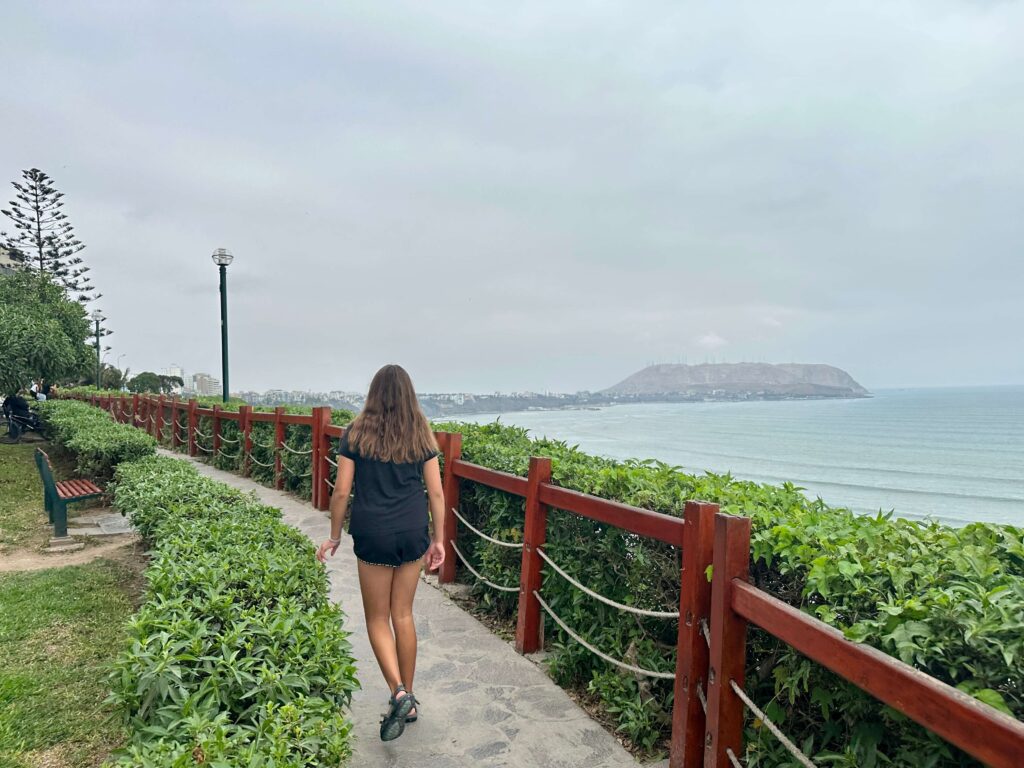
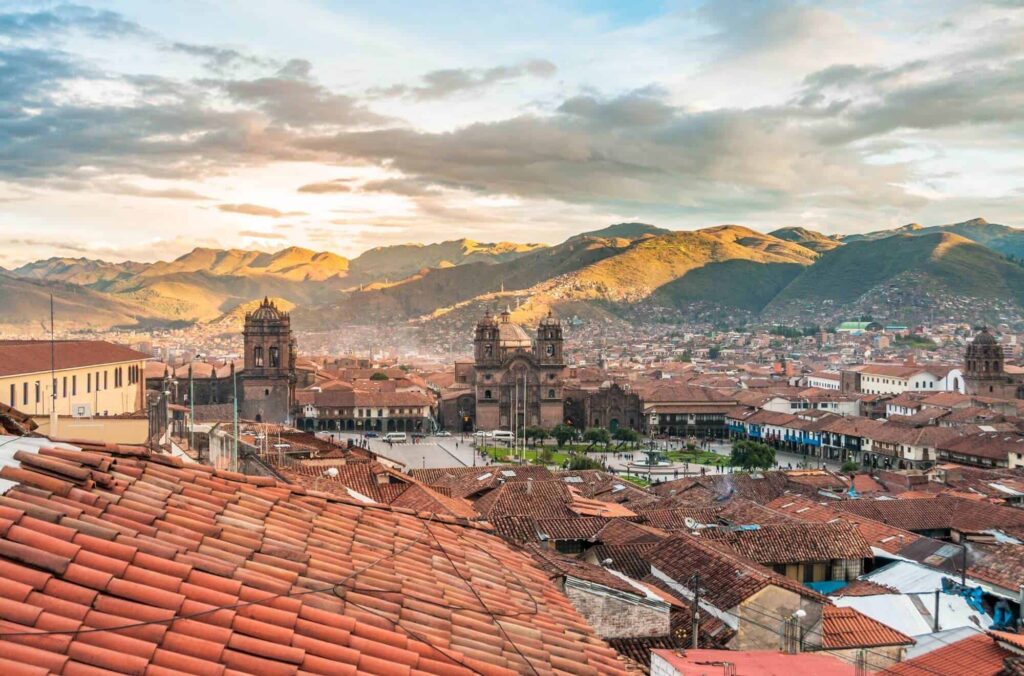
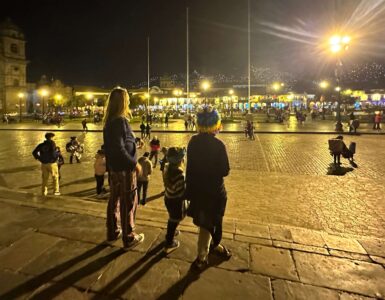
When I traveled alone through Peru in 2019, I felt very safe and never had any bad experiences. Cusco, the Sacred Valley, and other main tourist destinations are especially safe. After living in Cusco for several years, I can honestly say that I feel very comfortable here. Even when I walk home alone at night, I do not feel worried.
That said, there are regions where you should be more cautious. For example, in northern Peru, especially when backpacking in less touristy areas, it is important to stay alert. I once visited a beautiful beach near Tumbes with a friend. While we waited on the main road for a taxi back to our hotel, someone stopped to offer us a ride. During the drive, he told us that the region was actually quite dangerous. I was surprised because, with the sunshine and stunning beach, it did not feel unsafe at all. That experience taught me to always ask locals about safety when visiting a new place.
In Lima, you should also be careful, especially about pick-pocketing. I have heard from several people who were robbed there. My personal rule is to keep my phone in a small belt bag and only take it out briefly when necessary. I also carry only a small amount of cash and limit the available balance on my credit card. That way, if something does happen, I would not lose everything.
Overall, the main tourist regions in Peru are safe, so there is no need to worry too much. In fact, I have had more negative experiences traveling in other countries. For example, I was robbed in Rio de Janeiro, Brazil, which felt very different because it seemed planned and intentional. Compared to that, Peru – especially the popular travel destinations – feels much more relaxed and secure.
What The Data Shows

National crime statistics (INEI) show that violent crime has increased in recent years, particularly in urban centres like Lima and Callao. However, crime rates vary massively by region. Southern destinations such as Arequipa and Cusco have had lower levels of violent incidents compared to the capital, and major tourist zones remain heavily patrolled and economically dependent on visitor safety.
Government travel advisories like the US. The Department of State currently advises increased caution, but has not advised against travel to the main tourist areas. The areas specifically noted for higher risk are concentrated in remote border regions and parts of the VRAEM zone, far from the routes most travellers follow.
Peru is a country where risk is geographically uneven. If you stay within established tourist circuits, follow local advice, and take common-sense precautions, the overall risk level remains moderate and manageable by international standards.
Safety in Peru: What You Need to Know

While Peru is generally safe for tourists, issues such as petty theft, tourist scams, occasional civil unrest, and regional variations in criminal activity do exist.
Most incidents affecting foreign nationals in Peru involve minor offences rather than violent crime. However, being aware of high-risk areas, understanding local advice, and knowing the nearest police station can make a significant difference.
Here’s what to be aware of:
Petty Crime & Tourist Scams
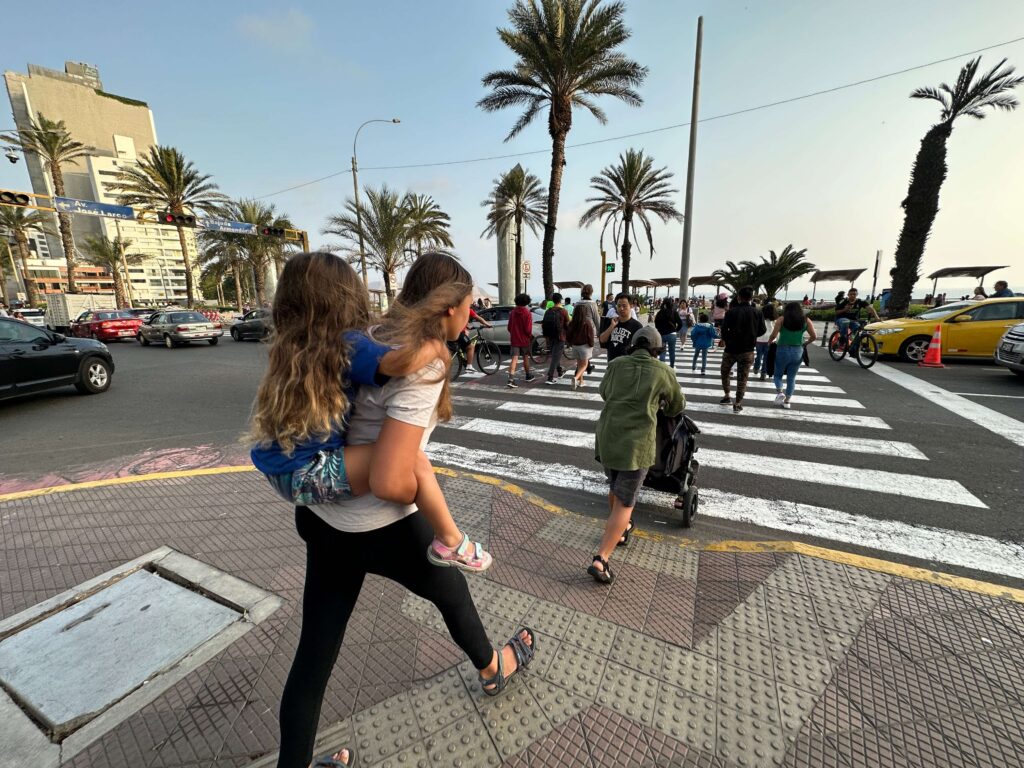
Compared to many other countries in Latin America, petty theft in Peru is not that bad. However, you do need to be careful – especially in Lima, if you are carrying valuable items. Pick-pocketing in Peru and phone snatching are among the most common issues reported in busy districts and tourist areas.
Someone on a motorbike can drive past quickly and grab your phone right out of your hand. It is something that does happen, even though it has never happened to me personally. I have simply heard about it from others.
As with most destinations, tourist scams in Peru tend to be opportunistic rather than aggressive. It is always a good idea to keep your personal belongings secure, avoid using your phone near the street, and stay aware of your surroundings.
In crowded areas, carry bags across your body, withdraw money safely from ATMs inside banks where possible, and carry photo ID (a copy is usually sufficient) when exploring major cities. Taking these simple precautions helps keep you safe without creating unnecessary worry.
Civil Unrest & Protests
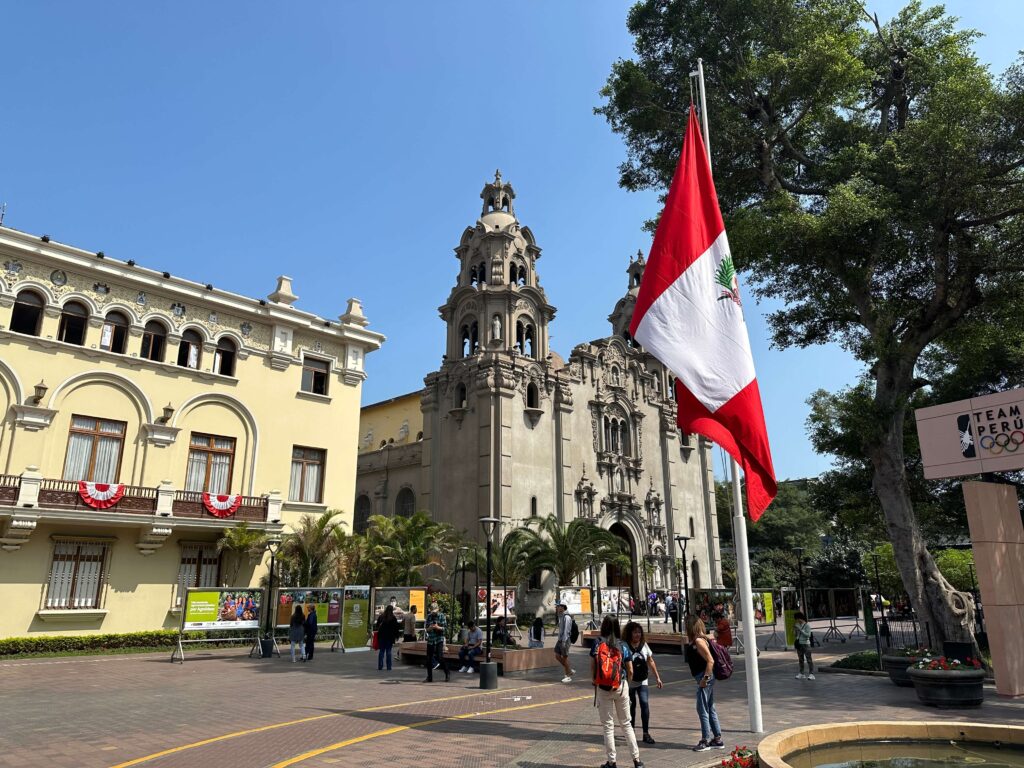
If you follow international news, you might occasionally see headlines about Peru protests. And yes, civil unrest does happen here from time to time. Peru has a long history of strong civic engagement – people take to the streets when they feel unheard. Demonstrations are often linked to political activities, economic concerns, or regional issues.
But what does that actually mean if you are planning to travel here?
First of all, Peru is a big country. What happens in one region does not automatically reflect the situation everywhere else.
Protests are usually concentrated in specific cities or along certain highways and may temporarily disrupt travel in those areas. Life in many other regions continues completely normally. Markets are open, tours are running, and travelers are out exploring.
That said, disruptions can happen. Road blockades are probably the most common form of protest. Occasionally, train services to Machu Picchu are paused. Flights can be delayed if airports are affected. Most of the time, these situations are temporary and resolved within days – sometimes even hours.
Following the impeachment of former president Pedro Castillo. There were widespread protests in cities like Lima, Cusco, and Puno. Some regions experienced road closures, and tourism temporarily slowed down in certain areas. It was a challenging time for many Peruvians, especially those whose livelihoods depend on visitors.
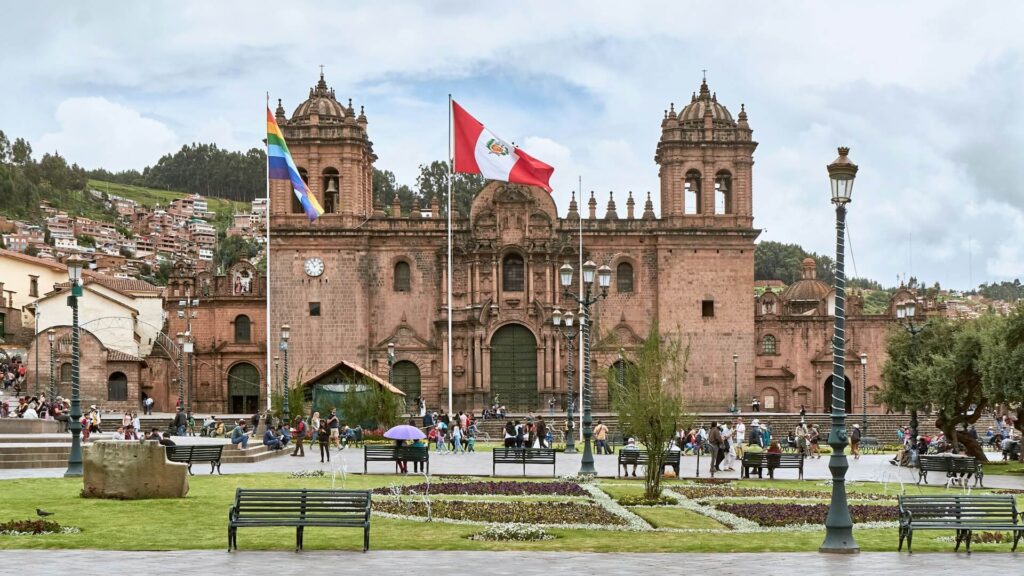
Being here during that time felt very different from what the international media sometimes portrayed. In some places, yes, there were serious tensions. In others, daily life continued quietly. Schools opened, restaurants served lunch, and families gathered as usual. The reality was nuanced – not a country in chaos, but a country going through a difficult political moment.
For travelers, the key is awareness, not fear. Avoid large gatherings, stay flexible with your itinerary, and stay in close contact with your tour operator or hotel. It is also wise to monitor local media and follow updates from local authorities, especially during periods of heightened political activity. Local tourism providers are very experienced in adapting quickly and keeping guests safe and informed.
Peru is not a country without challenges. But it is also not defined by its protests. It is defined by its people, landscapes, culture, and resilience. And most visitors experience nothing but warmth and unforgettable moments.
Natural Disasters in Peru
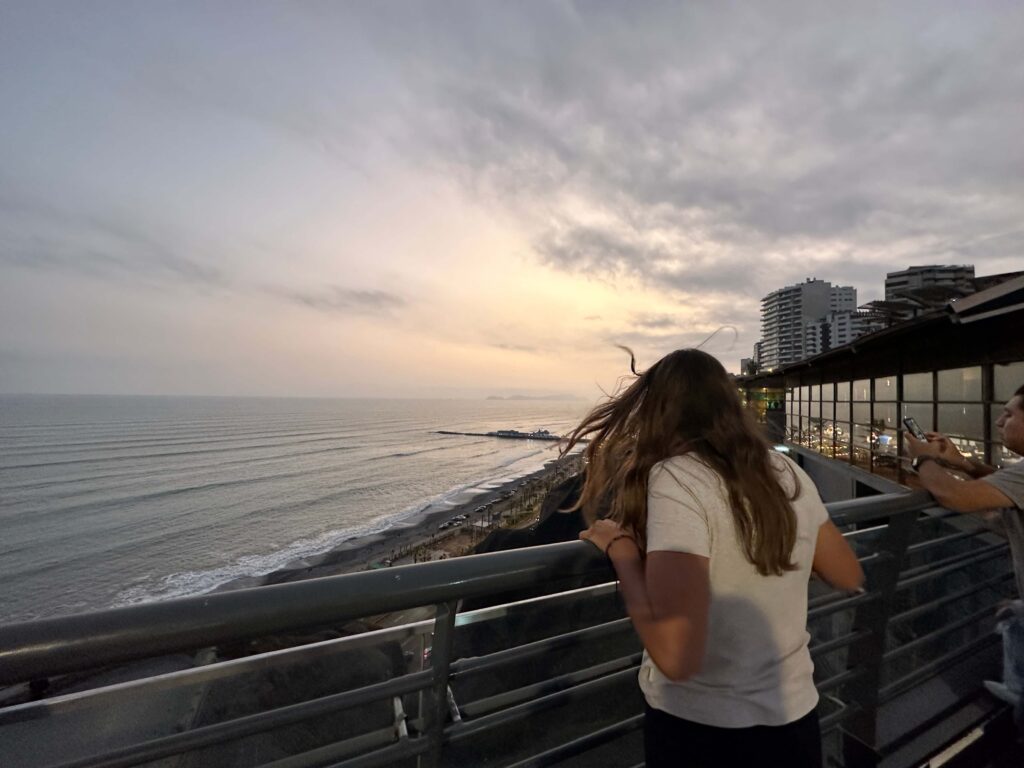
Like many countries in South America, natural disasters are part of its geographical reality. The country lies within an active earthquake zone along the Pacific Ring of Fire, so tremors do occur. Most are minor and barely noticeable, but stronger earthquakes are possible, particularly along the coast.
The rainy season in Peru typically runs from November to March, especially in the Andes and around the Cordillera Blanca mountains (discover the best time to visit Peru in our guide). During this time, heavy rainfall can lead to landslides, road closures, or delays to trekking routes. If you are planning hikes or mountain adventures, always check local conditions and follow official guidance.
In more remote areas, infrastructure may be limited, and some facilities lack basic services. That doesn’t mean you should avoid these regions, but you must educate yourself on some safety precautions in Peru. This includes travelling with reputable guides, carrying appropriate gear, and allowing flexibility in your itinerary.
Violent Crime, Drug Trafficking/Illegal Drugs & High-Risk Areas
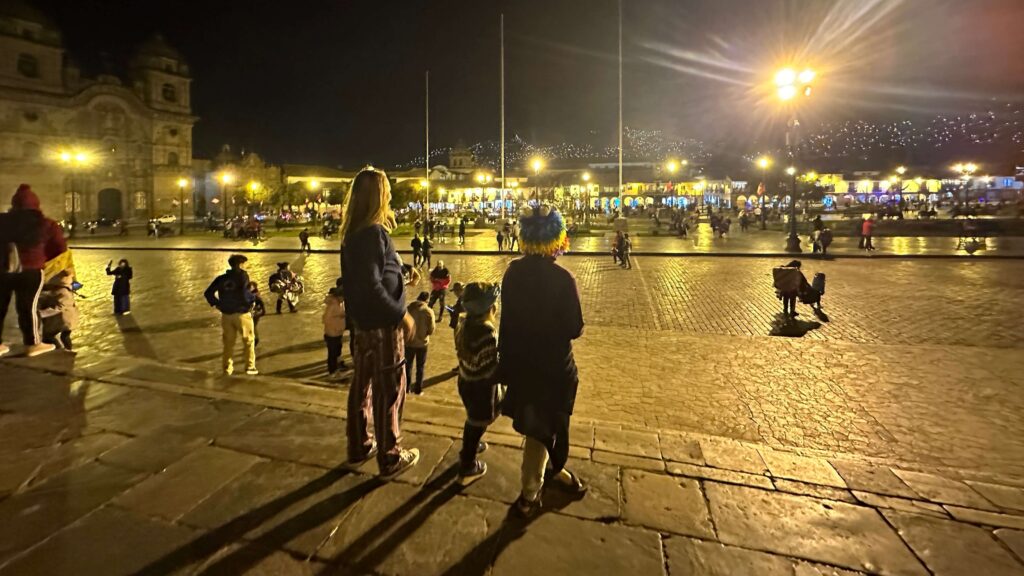
The persistent rise in crime has become a political issue, contributing to continued instability at the national leadership level. Former president Dina Boluarte faced widespread criticism for not effectively curbing rising violence and insecurity, and recent interim leaders have also struggled to demonstrate meaningful improvements.
Certain border areas, particularly in more remote regions, have experienced higher levels of criminal activity, including zones near the Colombian-Peruvian border area, where trafficking routes and reports of armed guerrilla forces have historically contributed to instability.
Despite these national trends in crime statistics and public perception, it’s important to put things in perspective: in popular tourist destinations such as Cusco, the Sacred Valley, and well-visited districts of Lima, you generally do not feel that level of crime firsthand.
Tourist infrastructure tends to be well-patrolled and secure, and most visitors go about their trips without encountering violent crime or other safety issues, especially when they take basic precautions.
Safety Considerations for Popular Destinations

Experiences can vary widely depending on where you go. Peru is a large and diverse country, and safety in the major cities of Peru may feel very different from smaller towns or remote regions. Most Peru tourist destinations are well prepared for visitors, with good infrastructure and visible security in popular areas.
In general, the most visited tourist areas in Peru, including parts of Lima, Cusco, and the Sacred Valley, are also considered among the safest areas in Peru. Choosing reputable local guides in Peru or booking through a trusted tour operator can provide an extra layer of reassurance, particularly in more remote or nature-based destinations.
Lima Safety
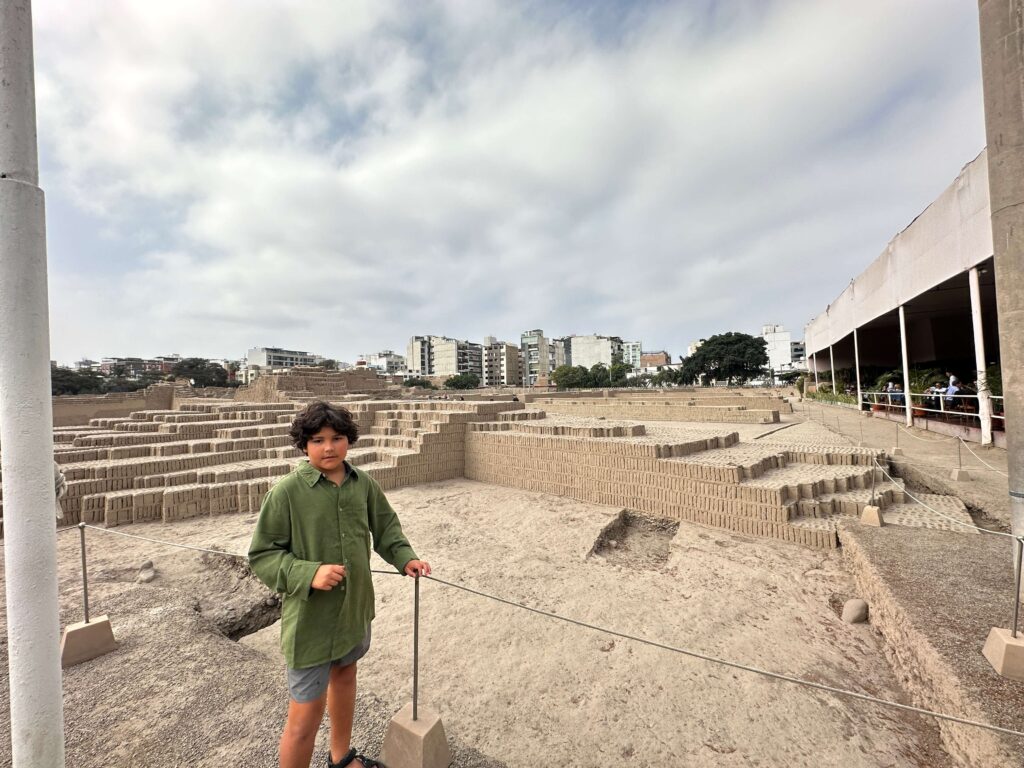
As Peru’s capital and largest city, Lima has higher crime rates than smaller destinations. According to Peru’s National Institute of Statistics and Information (INEI), urban crime, particularly theft and robbery, remains a major public concern. Most reported incidents involve petty theft rather than violent crime.
That said, safety in Lima varies greatly by district. The safest neighbourhoods in Lima for travellers are generally Miraflores, Barranco, and San Isidro, where there is tourist infrastructure and visible police presence. The historic center is busy and well-patrolled during the day, but requires more caution at night.
For better personal security in Lima, use registered taxis or rideshare apps rather than hailing taxis randomly, keep valuables secure, and stay alert on public transportation, where theft can occur.
Bus accidents do happen in Peru, particularly on long-distance routes, so choose reputable companies. With practical awareness and common sense, most visitors experience Lima safely and without serious issues.
Cusco Safety
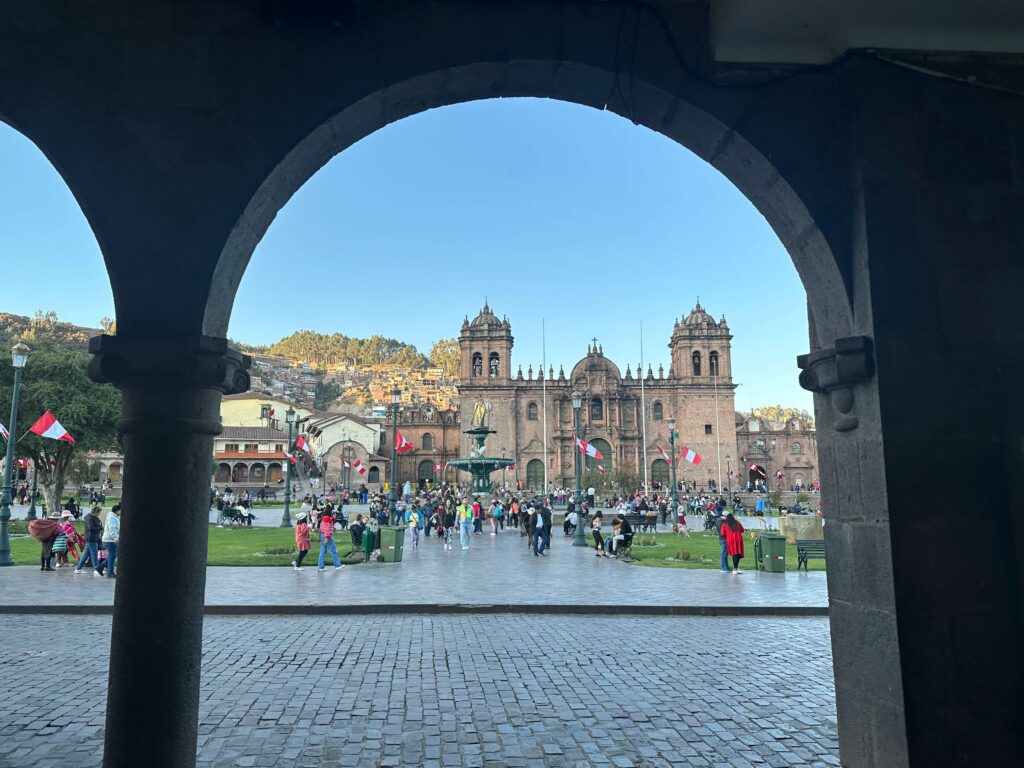
Overall, Cusco, including the city itself and the surrounding Sacred Valley region, is considered safer than many larger urban areas in the country, particularly in terms of violent crime. Crime reports in Cusco focused mostly on petty theft and opportunistic incidents.
When it comes to safety in the Sacred Valley, you need to take sensible precautions. Tourist zones like Ollantaytambo and Pisac have strong local tourism infrastructure with visible security and regular patrols, but remote areas and lesser-known archaeological sites warrant extra awareness. Sticking to marked trails, travelling with a reputable tour operator or certified local guides, and keeping valuables secure will minimise most risks.
Altitude sickness and health risks are also among the most common issues you may face in Cusco and surrounding high-altitude destinations. Cusco sits at about 3,400 m (11,200 ft), and many visitors experience symptoms ranging from mild headache and nausea to more pronounced discomfort. Ascending gradually, staying hydrated, and allowing time to acclimatise are essential preventive steps.
Machu Picchu, The Sacred Valley, and The Inca Trail
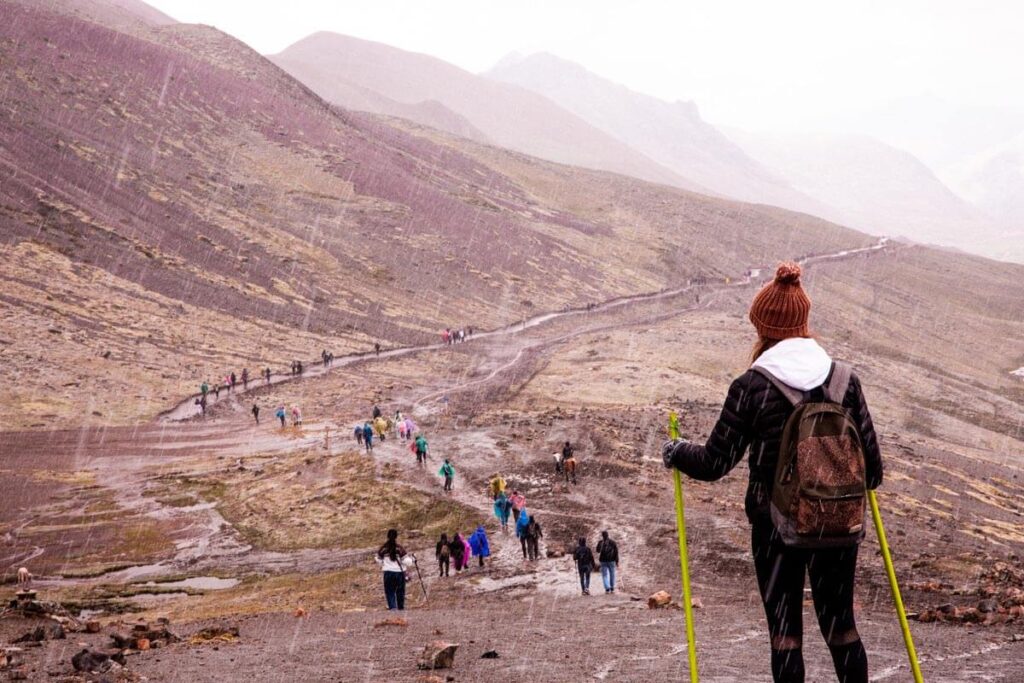
Despite its remote and mountainous terrain, Inca Trail safety remains statistically strong. With more than 67,000 hikers each year and fewer than 10 confirmed deaths over more than 20 years, serious incidents are extremely rare.
When heading to Machu Picchu, altitude awareness is just as important as trail conditions. While Cusco sits at high elevation, Machu Picchu itself is lower, and gradual acclimatisation before trekking can significantly reduce the risk of altitude sickness.
The Peruvian Amazon

The Peruvian Amazon safety experience is very different from the Andes or coastal cities. This vast region is biologically rich and stunning, but it also includes remote areas with limited infrastructure and higher exposure to tropical health risks. If you’re planning jungle excursions, understanding environmental and health considerations is essential:
Iquitos

In general, Iquitos, the largest urban gateway to the Amazon, is considered reasonably safe in the city center for visitors who take basic precautions. However, like many tropical urban areas, petty theft and robbery can occur, particularly in crowded markets and at night.
At the time of writing, official travel advisories do not categorise Iquitos as a high-violence zone, but they do emphasize health warnings for mosquito-borne diseases such as dengue, yellow fever, and malaria. According to the CDC, these illnesses are active risks in Amazon regions, and appropriate prevention, including vaccinations and insect protection to prevent serious illness, is strongly recommended.
If you become seriously ill or require urgent medical attention while in Iquitos, be aware that local hospitals have limited services compared to larger cities, and more advanced care may require transport out of the region.

When venturing deeper into the jungle from river towns or lodges near Iquitos or other Amazon entry points, conditions change rapidly. Peruvian Amazon safety in these remote areas depends heavily on your tour operator and local guides.
Reputable operators usually provide:
- Mosquito nets and quality insect repellent
- Advice on personal medication (e.g., anti-malarials if recommended)
- Basic safety briefings for wildlife and environmental risks
Outside of established Amazon lodge zones, facilities can lack basic services, and evacuation options may be limited. This makes it even more important to travel with a trusted operator and ensure you have adequate travel insurance that covers medical transport. If you’re travelling with children, choosing a well-run lodge is crucial. Read my full Refugio Amazonas review here.
Southern Peru

Southern Peru, which encompasses the regions of Arequipa, Puno, Tacna, and parts of the highlands, is generally considered safe for travelers, with many popular destinations like Arequipa city, Colca Canyon, and Lake Titicaca attracting visitors year-round.
Crime varies by region, but popular destinations in the south tend to show lower levels of violent incidents than larger urban centres like Lima.
That said, theUS. Department of State currently classifies Peru at Level 2: Exercise Increased Caution, noting that crime and civil unrest are concerns across the country, including some southern zones, even if major southern tourism areas are not specifically listed as restricted.
One issue worth noting in Southern Peru’s safety is transportation. Road travel on mountain highways can carry real risks, especially on winding routes.
Exercise common sense by staying aware in crowded public places, keeping valuables secure, choosing reputable transport companies, and ensuring you have adequate travel insurance. If you’re travelling with children, here’s a guide to the Southern Coast.
Safest Areas in Peru

Peru’s safety landscape varies massively by city and region. And while no destination is risk-free, some areas consistently appear safer based on crime statistics, local perception, and travel data.
Lower-Crime Cities
Arequipa and Cusco are among the destinations in Peru, with fewer reports of serious crime. Smaller cities like Puno, Tacna, and Abancay also have lower crime levels.
Tourist-Friendly Zones
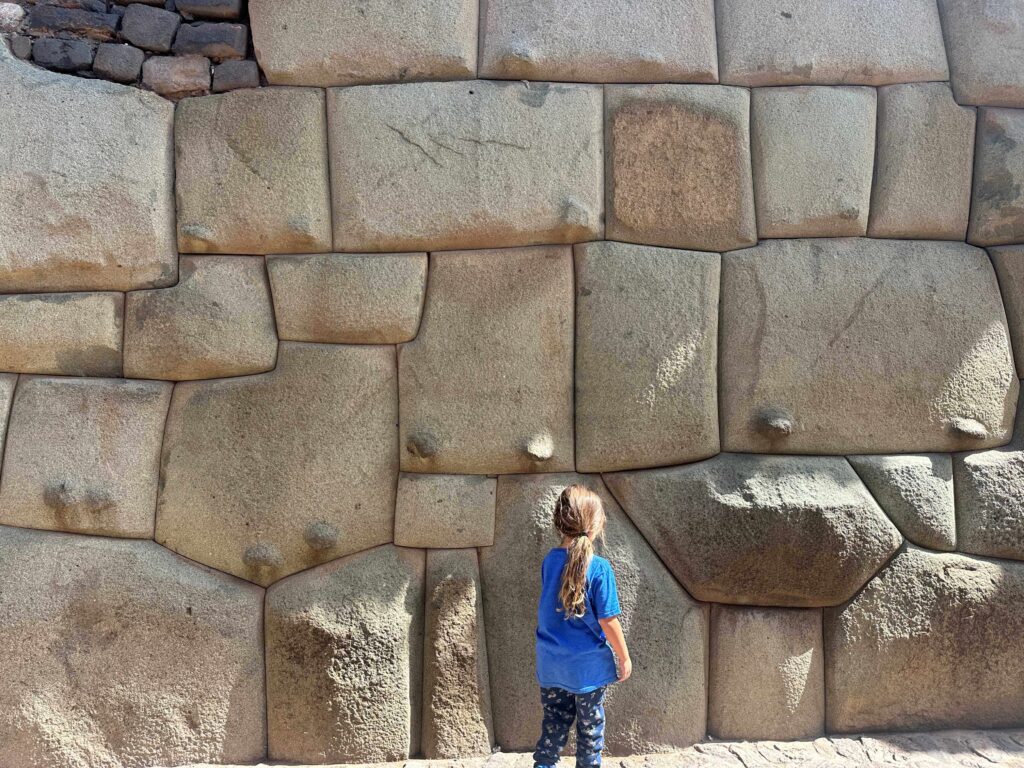
Many of Peru’s most visited sites are designed with visitor safety in mind. Places such as Machu Picchu and the Sacred Valley benefit from regular patrols, controlled access, and a strong presence of organised tourism providers, which helps maintain security even during peak seasons.
In larger cities, you can still find well-protected neighbourhoods frequented by travellers. In Lima, districts like Miraflores, Barranco, and San Isidro are widely regarded as among the safest areas to stay, offering a mix of residential peace, restaurants, shops, and a visible security presence.
While crime can occur anywhere, the areas below generally offer a safer experience for travelers when paired with basic precautions, such as keeping valuables secure and using reputable transportation.
Places to Avoid in Peru
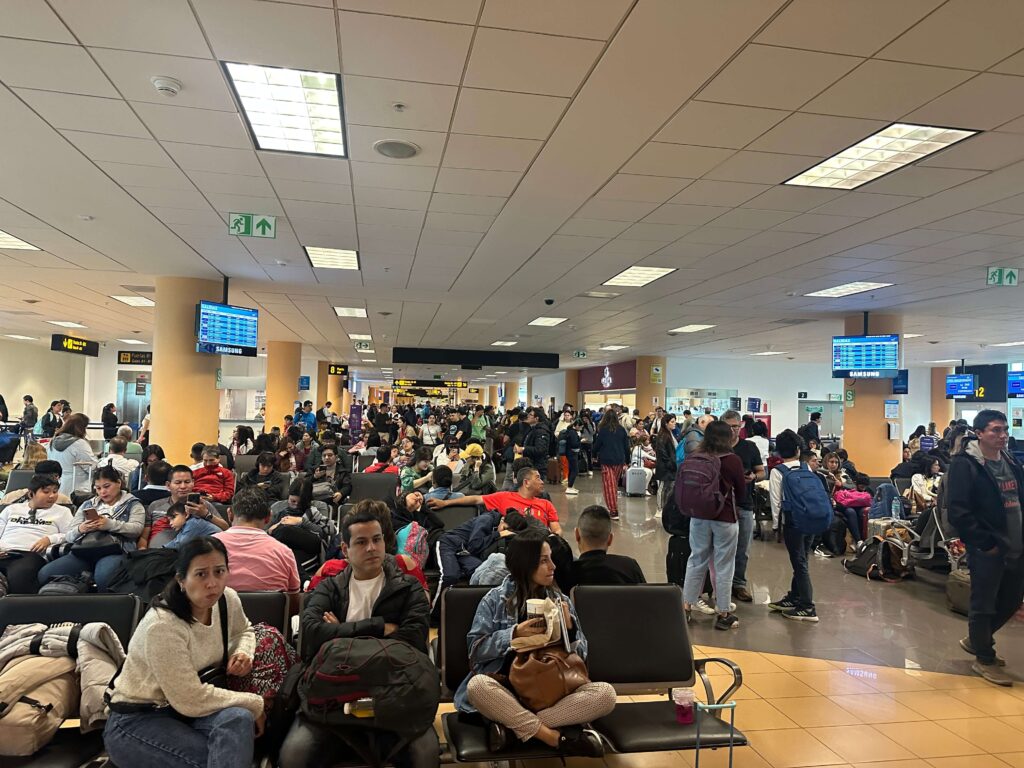
While most major destinations in Peru are generally safe with common-sense precautions, there are specific zones that you are advised to either avoid altogether or visit only if essential. Official government travel advisories often highlight these areas due to ongoing criminal activity, drug trafficking, terrorism risks, and limited local law enforcement presence.
Apurímac ene and Mantaro Rivers (VRAEM) + Border Areas Near Colombia and Ecuador
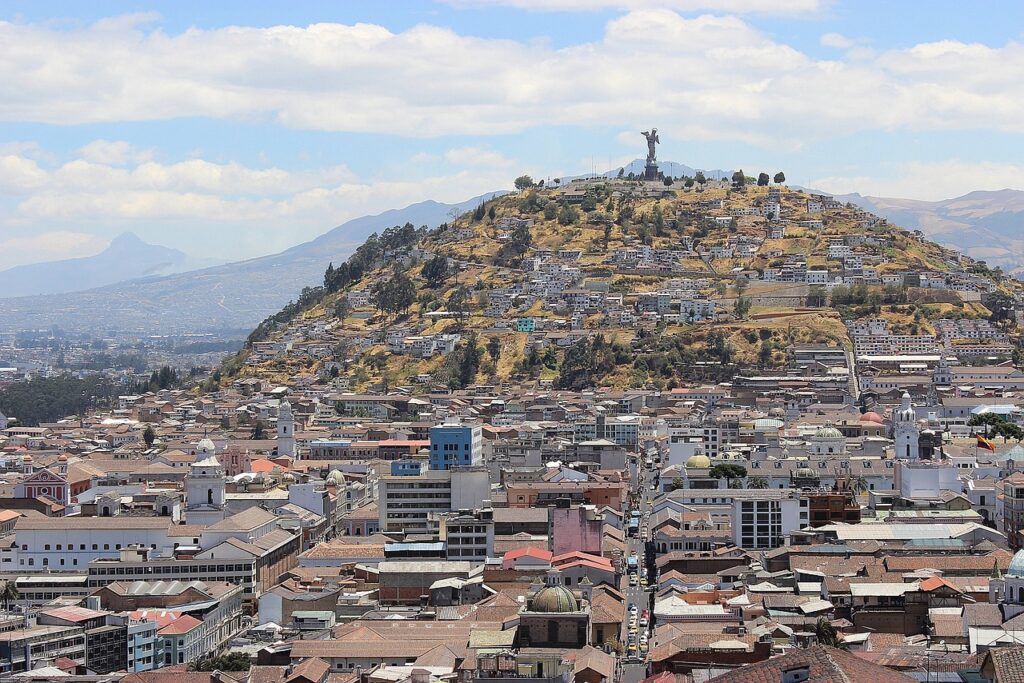
You should avoid all travel to the Valley of the Apurímac, Ene, and Mantaro Rivers due to the risk of terrorism, drug trafficking, and associated crime, and the limited presence of law enforcement in these rural provinces.
The Department of State lists the Colombia-Peru border area, parts of Ayacucho, Cusco (the area, not the city), Huancavelica, and Junín, particularly the VRAEM region, as Level 4: Do Not Travel zones due to crime and terrorism threats.
Other advisories, such as from New Zealand’s SafeTravel, recommend avoiding non-essential travel within 20 km of the Colombia–Peru border and similar buffer zones near Ecuador because of the presence of drug traffickers and violent groups.
High-Risk Urban Areas
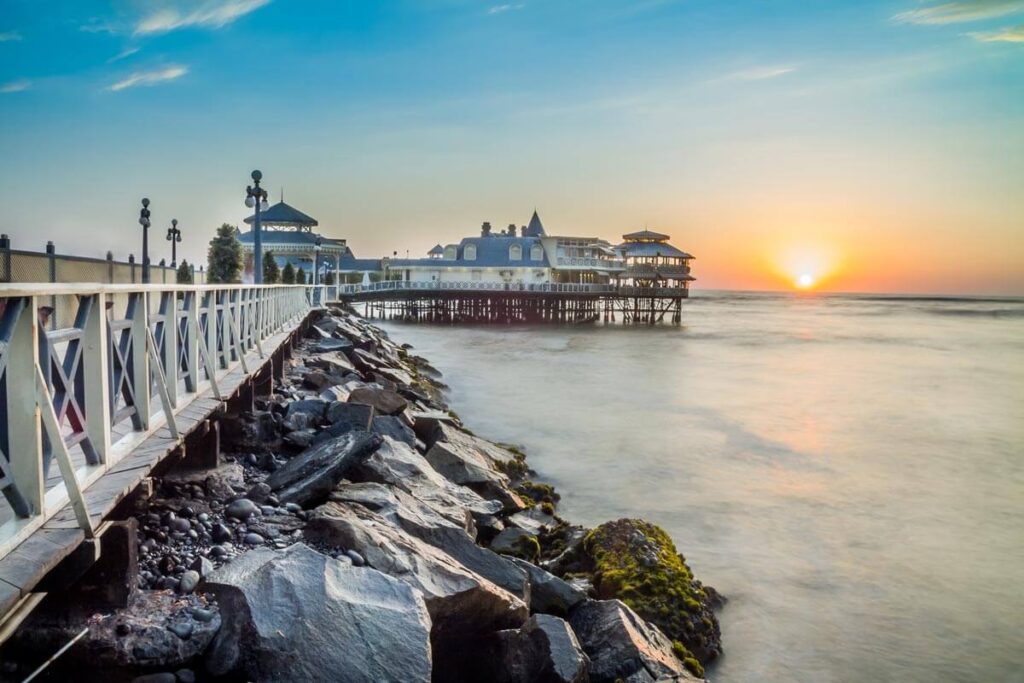
Even in urban centres, some districts consistently report higher crime rates and are generally less safe for visitors. For example, Callao, the main port near Lima, is one of the most dangerous areas in Peru, known for organised crime and trafficking. Historically, these areas have had higher crime rates than the national average.
In Lima, neighbourhoods such as San Juan de Lurigancho, La Victoria, and Villa María del Triunfo are less recommended for visitors, especially at night, due to high incidences of theft and robbery.
Jungle & Border-Zone Cautions
Remote parts of the Amazon region, especially deep jungle beyond organised tours and reputable river routes, can pose serious risks, including limited law enforcement, environmental hazards, and sometimes illegal activity.
Official travel advisories emphasise sticking to guided excursions rather than independent exploration when visiting these remote areas.
Health and Safety – Altitude Sickness, Health Risks, Vaccines, and Ambulance Services

Staying healthy in Peru is largely about preparation. Most risks are manageable with basic awareness, especially if you’re visiting tourist areas. Below are the main health considerations to keep in mind before and during your trip.
- Dengue, Yellow Fever & Malaria: Mosquito-borne illnesses such as dengue and malaria are present in certain jungle and lowland regions, particularly in the Amazon. Yellow fever vaccination may be recommended depending on where you’re travelling. Risk is significantly lower in high-altitude areas like Cusco and much of the Andes.
- Rabies & Recommended Vaccinations: Rabies exists in Peru, mainly in rural areas and among stray dogs or wildlife. Pre-travel vaccines may be advised for long stays or remote travel. Always consult the official CDC Peru travel health guidance and the WHO country profile for Peru before departure to confirm recommended jabs and vaccination advice.
- Altitude Sickness: Destinations such as Cusco, Puno, and Lake Titicaca sit above 3,000m. Altitude sickness can affect anyone, regardless of fitness level. Ascend gradually where possible, stay hydrated, and consider acclimatising for a day or two before strenuous activity. If you’re travelling as a family, altitude for kids is something to research carefully.
- Emergency Services: Emergency medical services are available in major cities, though response times may vary outside urban centres. The general emergency number in Peru is 105 for police and 106 for ambulance services. Comprehensive travel insurance that includes medical evacuation is strongly recommended.
Travel Safety

When we talk about travel safety in Peru, transport is often one of the biggest concerns. And honestly, it really depends on how you choose to travel.
If you book a private tour with private transportation, you are usually in very good hands. Most professional tour companies (we recommend Apus Peru) work with experienced, licensed drivers accustomed to mountain roads, changing weather, and long distances. Vehicles are maintained regularly, and safety standards are taken seriously. Especially in regions like Cusco and the Sacred Valley, tourism transport providers know that their reputation depends on driving responsibly.
On the other hand, if you decide to travel more independently and take local public transportation – for example, a colectivo from Cusco to the Sacred Valley – the experience can vary. Colectivos are cheap and efficient, but they are not always regulated in the same way. Some drivers are perfectly fine. Others drive fast, overtake on curves, or generally drive more aggressively than you might be used to.
After having a car accident in Bolivia myself, I became much more aware of how people drive in the Andes. Since then, I have had no problem telling a driver to slow down if I feel uncomfortable. It might feel awkward at first – but your safety is more important than politeness. If something doesn’t feel right, speak up.
For long-distance travel, bus companies also differ significantly. Well-known companies like Cruz del Sur are generally considered very safe. They operate under stricter regulations, use modern buses, and drivers are not allowed to exceed certain speed limits. They also follow more controlled schedules and procedures.
More local or budget bus companies can be a different experience. Sometimes they drive faster. Sometimes they make additional, unofficial stops along the way to pick up extra passengers. It can feel less organized and, at times, uncomfortable. That doesn’t automatically mean unsafe – but it does mean you should be more aware of what you are booking.
Overall, Peru is considered very safe for long-distance bus travel. In some other South American countries, there have been cases in remote regions where buses were stopped and robbed. That is something you might hear about in places like parts of Ecuador or Brazil. In Peru, this is extremely rare and not something that travelers typically experience.
Peru for Families
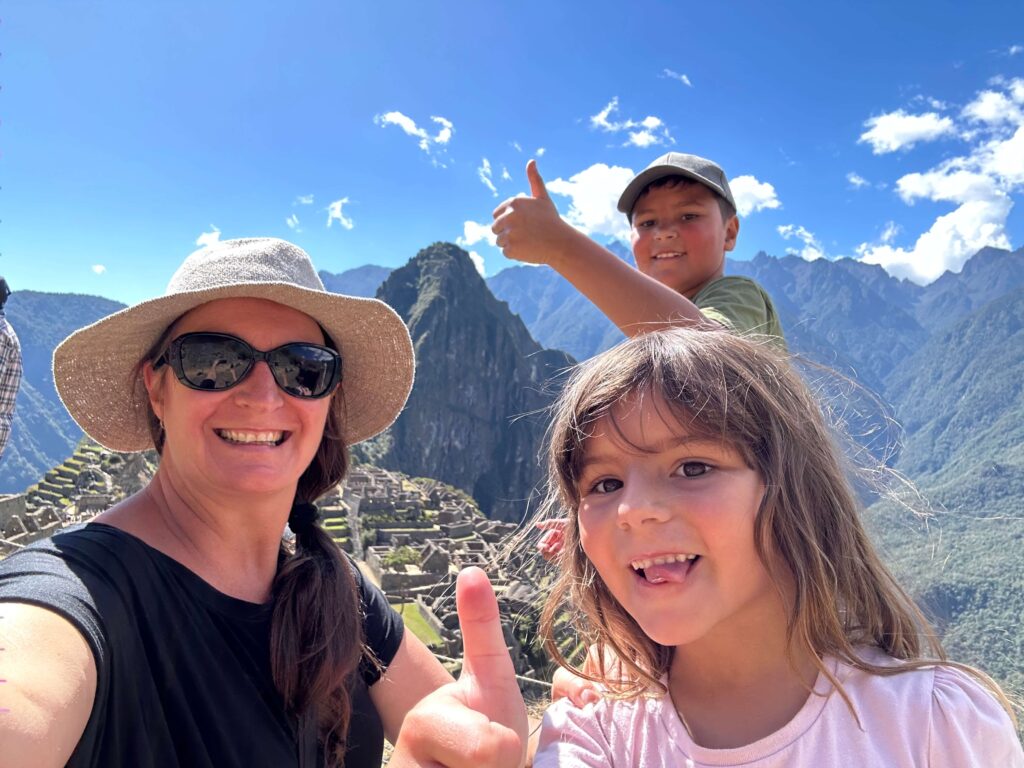
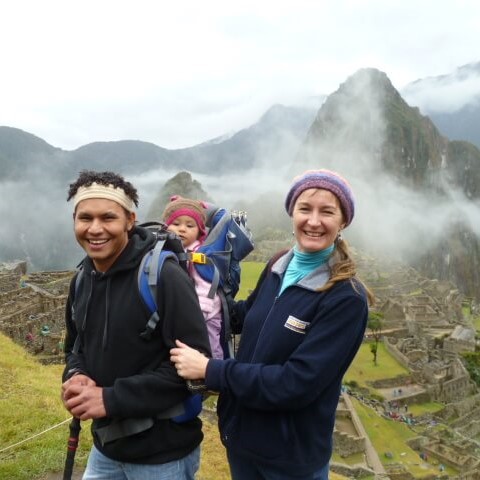
In my experience, Peru is a safe destination for families.
Infrastructure is always improving, and, in general, Peruvians are incredibly welcoming to young children. Unlike parts of the Western world, where children are seen as a noisy, messy inconvenience, they are viewed as blessings.
If you get lost or have a sick child, I think on balance you are going to get more help or empathy in Peru than you would in other parts of the world.
Yes, travelling with children does mean that you are more “exposed” and distracted if there are scammers around, poised to rob you. This is a risk you have to accept when with kids. That’s also why I try to travel light and efficiently, or don’t have much, if anything, of value on me.
In general, I opt for pre-organised travel so that there is a reliable transfer service upon arrival at an airport. I will also look for reliable drivers and book them with a travel company.
Peace of mind is worth a lot when travelling with kids, so organising your trip through a travel company is a worthwhile investment in unfamiliar destinations.
If you’re wondering how to plan your trip to Peru with kids, we’ve written a wide range of guides on the topic.
Peru Travel Safety Tips from Personal Experience
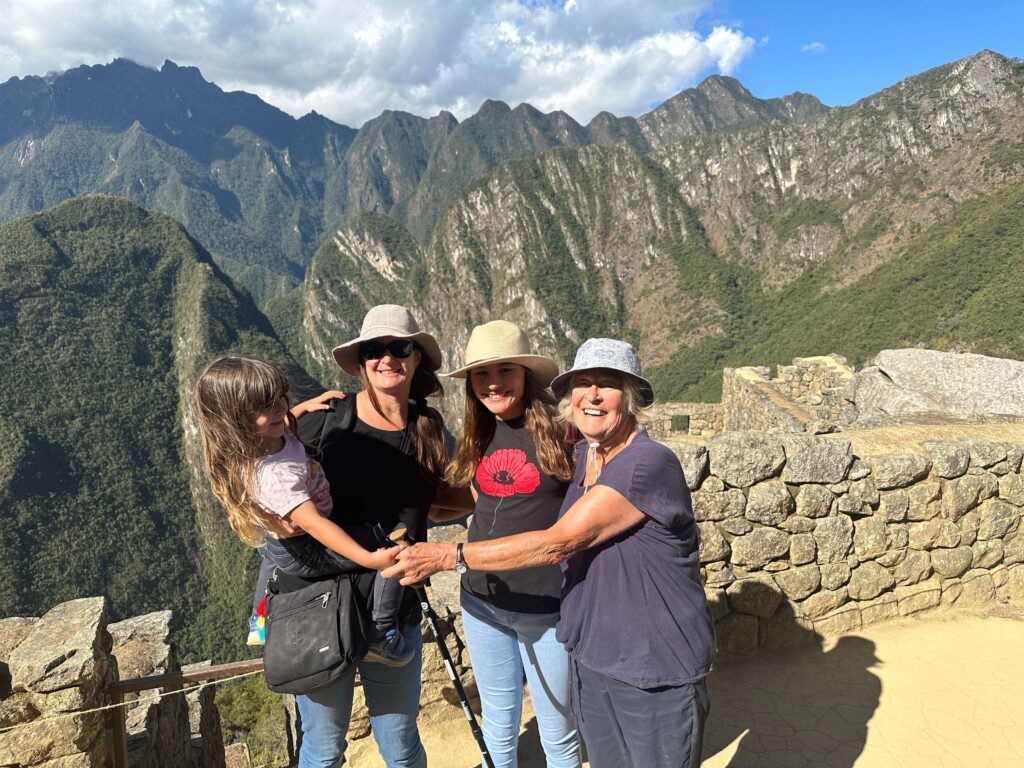
Be aware, not paranoid.
- If you need to check your phone, step into a shop instead of standing on the street: In bigger cities like Lima, hold your phone firmly and stay alert near the curb – motorbike snatchings can happen.
- This was something I learned in Ecuador: Sit behind the driver in taxis: If you take a taxi, especially in bigger cities like Lima, sit in the back seat behind the driver. It gives you more space, better visibility, and makes it harder for someone to reach you from outside the car. Keep the windows closed for certain areas (this refers more to Lima – when you drive to the airport, the zone close to the airport, Callao, can be dangerous, don’t open your window there).
- Keep small change in a separate pocket: Do not pull out your full wallet every time you pay. Keep small bills and coins easily accessible.
- If you feel uneasy about taking a taxi, take a photo of the taxi plate and send it to someone just in case, or send your live location to a friend. You probably will never need it, but it adds a layer of security.
- Learn one “strong” sentence in Spanish: Even if your Spanish is basic, learn one confident sentence like: “No, gracias. Ya dije que no.” You could also use “No me interesa.” (I’m not interested.), “Déjeme en paz” (Leave me alone) or “No necesito ayuda.” (I don’t need help.) A firm tone often discourages persistent sellers or scammers.
- Be mindful of coca tea. Coca tea is legal and commonly used for altitude sickness in Peru, but coca products are illegal to take out of the country. Enjoy it locally, but don’t pack it in your luggage.
- Check your tourist visa and entry stamp. Confirm visa requirements before travelling and check how many days you’re granted on arrival. Overstaying can result in fines, and you should always keep copies of your travel documents, especially when crossing land borders.
Planning an Amazing Trip

When planning your Peru adventure, it’s helpful to take a wider look at how travellers experience safety across South America, especially if you’re visiting other countries on the same trip.
As covered in our Safety in South America guide, most parts of the continent, including Peru, are considered safe for travellers as long as you use common sense, take precautions, and stay aware of regional differences in risk. Common-sense steps like securing valuables, using official transport, and learning a few local safety tips go a long way toward a smooth trip.
Health and peace of mind are just as important as crime data. Health concerns tend to be about prevention and preparation rather than anything to fear, especially outside big cities. I highly recommend checking CDC and WHO guidance for destinations you’re planning to visit.
No matter where you’re visiting in Peru or South America, travel insurance is essential. Good insurance that covers medical care, theft, trip cancellations, and emergency evacuation gives you flexibility and protection when unexpected events occur, from sudden illness abroad to delays, strikes, or natural events.
Final Thoughts
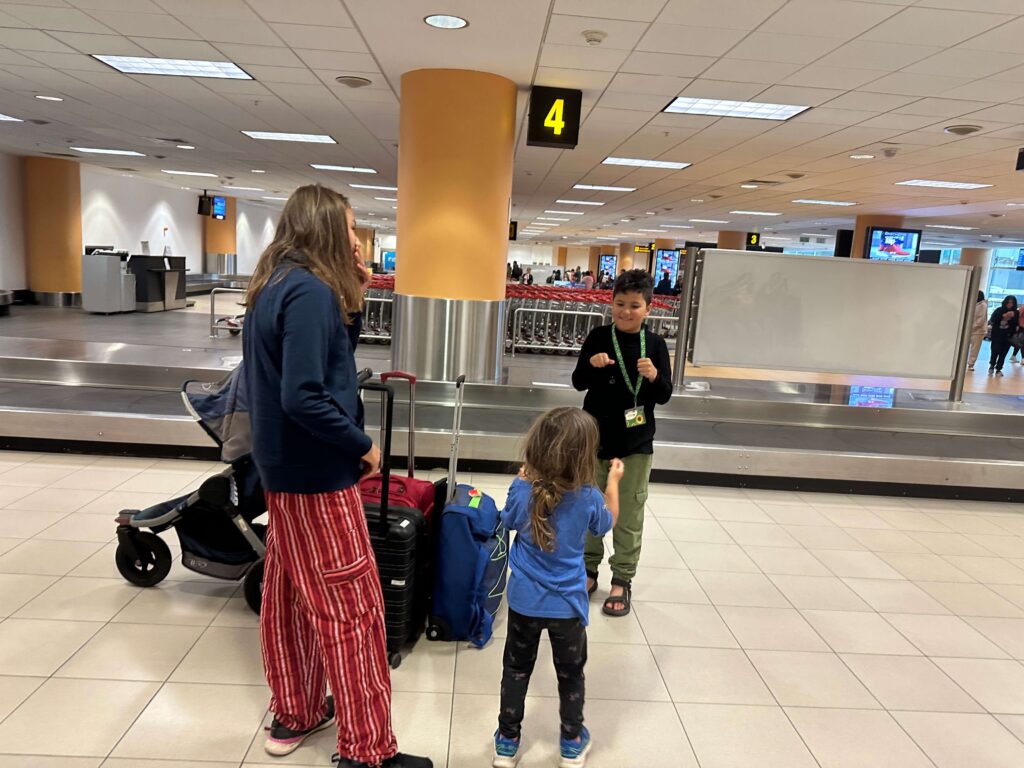
So, is Peru safe for travel in 2026?
Based on my experience and the official data, I believe it is, especially if you stay within established tourist routes, follow local advice, and take sensible precautions. Like any destination, Peru has challenges. Crime exists. Protests happen. Remote regions carry higher risks. But those risks are uneven and largely avoidable with proper planning.
I’ve travelled extensively through Peru over many years, and I continue to feel comfortable here. If you prepare properly, stay aware, and respect local conditions, Peru offers far more beauty, culture, and warmth than risk.
Peru Safety FAQs
Based on official comparative stats, Peru is generally considered safer than Mexico, particularly when looking at broad crime indices and violent crime metrics. For example, crime index data shows Peru’s overall crime level tends to be lower than Mexico’s, and homicide/violent crime rates in Mexico are significantly higher due to organised crime pressures. However, both countries still present safety risks that travellers should consider.
Cusco, the Sacred Valley, and Machu Picchu are considered the safest areas to visit in Peru, as they are heavily monitored by tourist police and central to the country’s tourism economy. Lima’s districts of Miraflores, Barranco, and San Isidro are also regarded as safe. Most incidents in these areas involve petty theft rather than violent crime.
“Red zone” is an informal term used in some travel advisories to describe high-risk areas, particularly near certain land borders and remote regions affected by drug trafficking. Parts of the Peru-Colombia and Peru-Brazil border areas are sometimes flagged due to organised criminal activity involving armed criminals. These regions are far from major tourist routes and are not typical destinations for travellers.
Yes, Peru is generally considered safe for Americans, according to the US Department of State, which advises increased caution but does not discourage travel to main tourist destinations. Most safety issues affecting foreign nationals relate to petty crime, street money changers, or isolated tourist destinations. The Peruvian government actively supports tourism, but visitors should carry proper travel documents and follow official guidance, especially during periods of civil unrest.

Add comment