

Last Updated on December 21, 2025 by Ariana Svenson
So you are wondering about safety in South America? If you’re planning a family trip to South America but are hesitant about security, you’ve come to the right place.
South America has breathtaking landscapes, awe-inspiring natural wonders, ample jungle regions, stunning beaches, deserts, mountain ranges, and so much more.
There are so many safe places to travel in South America to choose from!
Based on current US government guidance and the Global Peace Index, here is some great advice on the 7 safest countries to visit in South America. You’ll also find expert tips for families, solo travelers, and first-timers.
This post may contain affiliate links, from which we would earn a small commission, at no extra cost to you. More info in my disclaimer.
Is South America Safe?

First, if you’re wondering, “Is traveling to South America safe?” South America is a huge continent that covers 12 South American nations and many different types of weather. South America’s safety varies widely by country and region, with some areas being quite safe for tourists and others posing higher risks. You’ll find diverse areas such as the Andes, the Amazon jungle, and the dry coasts of Peru.
South America includes some of the world’s biggest cities: São Paulo in Brazil, Buenos Aires in Argentina, Lima in Peru, and Bogotá in Colombia. In addition to those massive metropolises, there are many other cities; just like your home city, there are safe parts – and places you won’t want to walk after dark.
Yes, you might be exposed to situations you’re not used to at home, but that’s okay as long as you are sensible. South America is no more dangerous than most parts of the world. However, anywhere, you must use caution and good common sense. Follow local safety measures: keep valuables out of sight, use official taxis or trusted ride-hailing, and stay aware in crowds.
What About South America with Kids?
South America is safe to travel with kids, as long as you use common sense and take some precautions. I have spent years in South America with my children and find that it’s a kid-friendly destination because the people love children.
My Experiences of Safety in South America

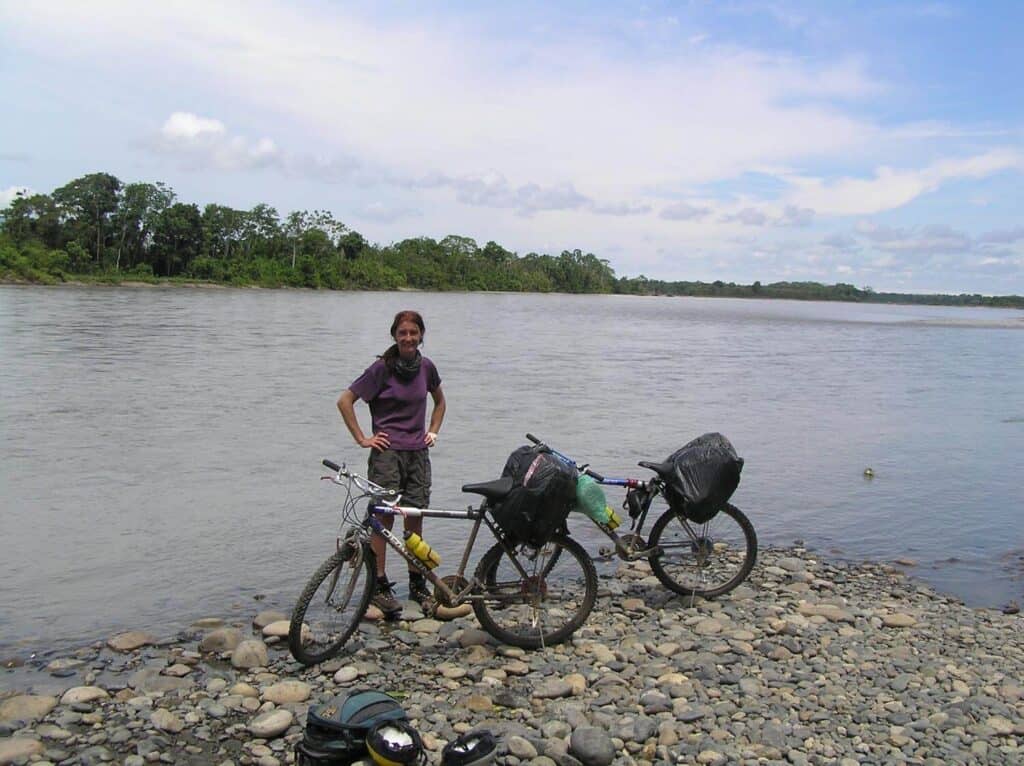
Local knowledge is everything. I first arrived in Chile over 20 years ago; I visited Rapa Nui and loved it. I then headed up to Ecuador, where my travels along the “Gringo Trail” began. After spending a week in Quito studying Spanish, I was considering flying directly to Asia, as I just didn’t feel safe.
Thankfully, 23 years later, I am still traveling in South America, planning and loving trips. I’ve spent much time in Peru, where I lived for ten years, but other favorites include Colombia and Bolivia. I also really adore Chile and Argentina for their more European feel.
I’ve been robbed, pickpocketed, lost in the mountains in bad weather, and suffered dreadfully from frostbite. That doesn’t make South America unsafe; it means I had some unlucky moments and made terrible decisions.
Safety in South America and Style of Travel
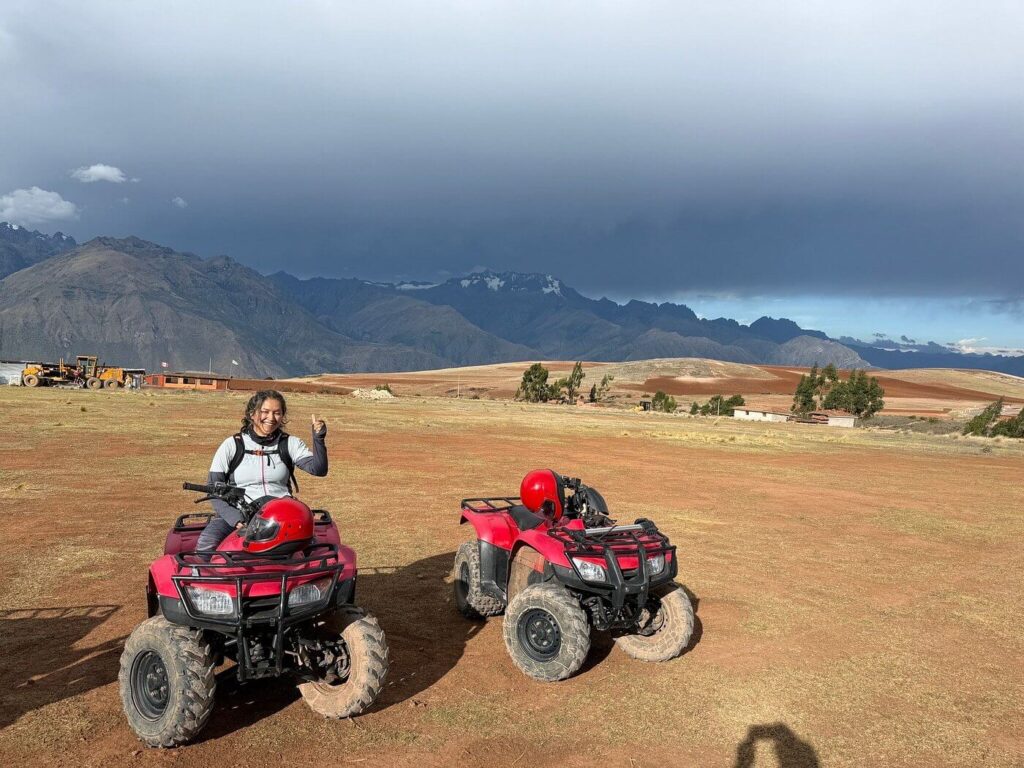
If you backpack around South America, you are more likely to encounter difficult or dangerous situations than if you have a fully escorted tour. If you stay in the downtowns or central cities these days, they are very safe and clean due to the concerted efforts of municipalities and governments.
Four and five-star hotels tend to be in good neighborhoods, and if you have an accompanied holiday with guides and private drivers (who also have local knowledge), you should be in very safe hands.
My main advice would be to exercise caution. Don’t wear expensive jewelry. Be sensible, research the travel advice for your destination beforehand, and familiarize yourself with common scams and dangers, such as natural disasters, to be prepared and keep plans flexible. If possible, use ATMs inside banks or shopping malls during business hours due to occasional scams such as card-skimming machines and fake money.
Health in South America
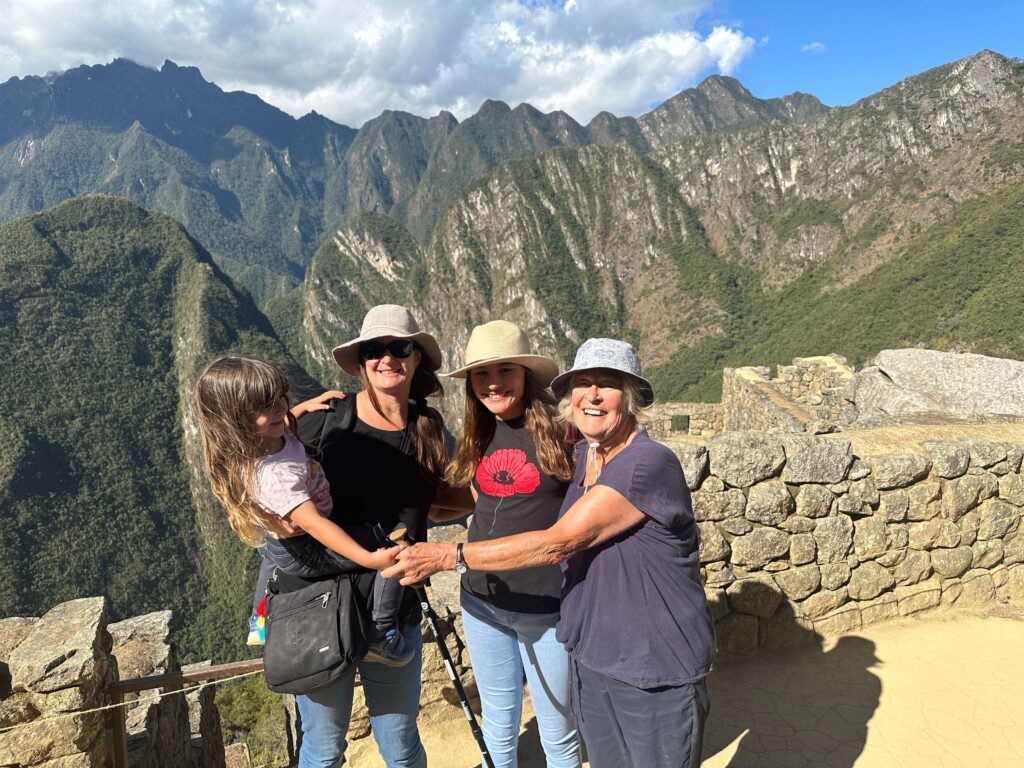
Health concerns in South America are mostly about prevention and preparation, rather than anything to fear. As with anywhere, it’s worth understanding the local risks so you can plan and enjoy your trip worry-free.
Mosquito-borne illnesses like dengue fever, malaria, Zika virus, and yellow fever are present in some regions. Again, South America is a huge continent! To stay safe, check CDC and WHO guidance for the destinations you’re visiting.
Food and water safety are also very important. Stick to bottled or filtered water, and eat freshly cooked food from clean, busy stalls or restaurants.
Travel insurance with medical coverage is also essential. Major cities have excellent private hospitals and clinics, but smaller towns can be limited. Always carry any prescription medication with original labels, plus a basic travel health kit.
Need to get an insurance quote quickly? Try Rise & Shield or Safety wing
Measuring the Safety of South American Countries
In addition to drawing from personal experiences in South America, this list is ordered based on two factors:
- Where each South American country ranks on the Global Peace Index (based on overall societal safety, international conflict factors, and more)
- US travel advisories
This helps identify the safest South American countries to visit and any high-risk areas or unique safety challenges that call for extra care. There are so many safe countries in South America, you’ll be spoilt for choice!
The Global Peace Index (GPI)
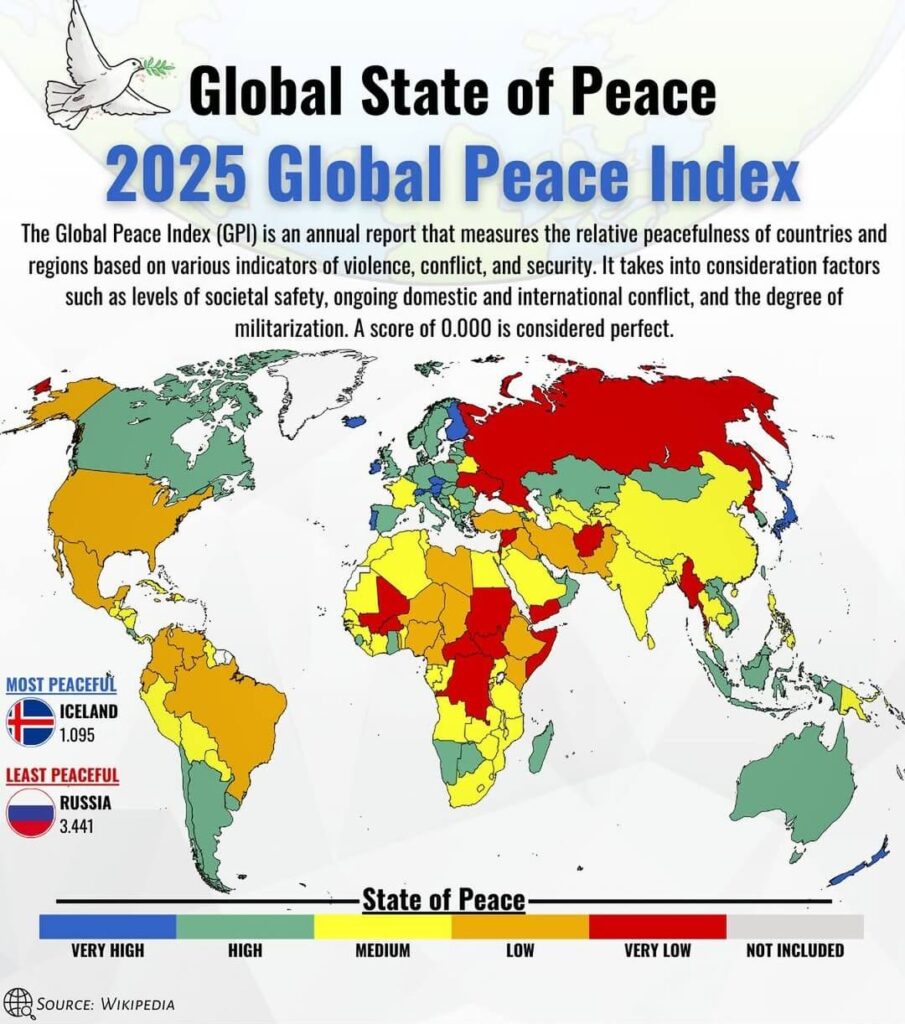
The Global Peace Index ranks the peacefulness of 163 countries using 23 indicators, including political stability, effective law enforcement, civil rights, and other security risks. It’s the world’s leading measure of global peace. The last index was done in 2025.
Currently, South America’s safest countries include Argentina (46), Uruguay (48), Chile (62), Paraguay (75), Bolivia (83), Peru (96), Guyana (106), and Ecuador (129).
However, other nations on the continent have faced greater challenges. For example, in 2025, Colombia ranks 140th on the GPI, one of the least peaceful countries in South America. Venezuela (139) and Brazil (130) also face higher violent crime rates and instability in certain regions.
As you can see from the image above, not all countries are green. However, if you compare the yellow countries, you can see that countries like the US (128th) are orange, meaning the countries in this post are considered safer than the US on the index.
The Global Peace Index is a perfect thing to look at to measure the safety of countries you plan to visit. South America’s top 7 safest countries achieved rankings from 46 to 106.
US Travel Advisories
If you’re an American citizen, the US travel advisories should be the first place to look when deciding to visit a destination. The advisory grades countries on a scale from Level 1 (Exercise Normal Precautions) to Level 4 (Do Not Travel) based on various factors, including crime, terrorism, civil unrest, health risks, and more.
In this guide, several of the safer countries fall into Level 1 or Level 2 categories; Guyana currently has a Level 3 (Reconsider Travel) advisory. Large countries often have Level 3–4 pockets; that doesn’t make an entire nation unsafe, but you should route around known risky districts (if you know locals, they are likely to tell you they would never visit the risky pockets!!!)
If you are not a US citizen. The US travel advisory is still one of the best places to look for information, but make sure you read your country’s travel advisory too, such as Gov.UK foreign travel advice for the U.K. or Smarttraveller for Australia.
Safe Countries in South America
| Regional Rank | Country | Overall Score | Change in Score | Overall Rank |
|---|---|---|---|---|
| 1 | Argentina | 1.768 | -0.067 | 46 |
| 2 | Uruguay | 1.784 | -0.019 | 48 |
| 3 | Chile | 1.899 | -0.020 | 62 |
| 4 | Paraguay | 1.981 | -0.011 | 75 |
| 5 | Bolivia | 2.005 | 0.038 | 83 |
| 6 | Peru | 2.073 | -0.099 | 96 |
| 7 | Guyana | 2.149 | -0.004 | 106 |
| 8 | Ecuador | 2.459 | 0.025 | 129 |
| 9 | Brazil | 2.472 | -0.024 | 130 |
| 10 | Venezuela | 2.692 | 0.053 | 139 |
| 11 | Colombia | 2.695 | -0.013 | 140 |
Regional Average: 2.18 | Change: -0.013
If you’re looking for safe places to visit in South America, here’s an overview of the seven safest countries to visit. This will hopefully help you plan your next South American Family Vacation.
1. Argentina
Global Peace Index Ranking in 2025: 46/163 – US advisory: Level 1
2025 Ranking: 69/163 (previous position in our list – no.3)
Read the Most Recent US Government Advisory for Argentina Here
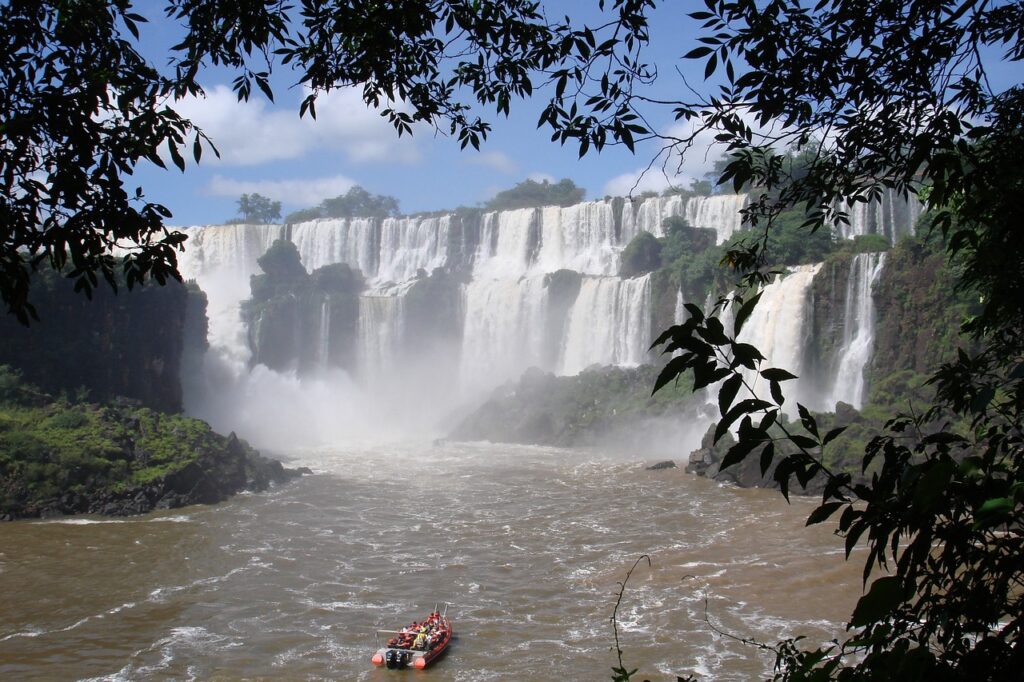
Argentina is world-famous for its delicious cuisine and breathtaking geography, including Iguazú Falls, Patagonia, and the plains of the Pampas.
Its capital, Buenos Aires, is arguably one of the world’s most exciting capitals; think a cafe culture, great architecture and history, amazing tango dancing, and a pulsating nightlife. It is also home to some passionate football teams and a tantalizing food scene.
Is Argentina Safe to Travel in 2025?
Argentina has a generally peaceful feeling, allowing you to enjoy your adventure without worrying. Although there are no travel advisories for Argentina, as with any country, taking certain precautions is essential to stay safe.
Petty theft, including pickpocketing and muggings, is a concern, particularly in crowded tourist areas. Outside major cities, incidents are extremely rare. It’s recommended to be mindful of your belongings and adopt habits such as keeping handbags in your lap at restaurants, not leaving drinks unattended, and avoiding displaying valuables. This also applies to you when traveling. Also make sure you use official taxis.
Places like the Retiro bus station in Buenos Aires and the Mendoza bus station have high levels of theft, especially when luggage is left in the overhead compartment. (However, this is not going to be an issue if joining a group tour or if you have private transport, for example)
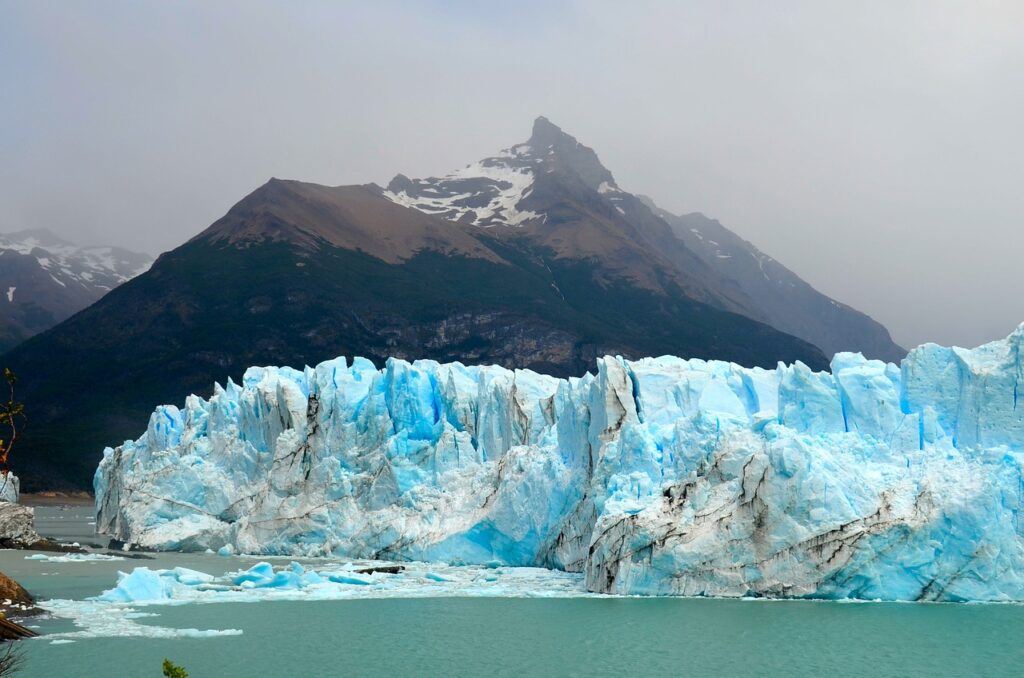
If you’re planning trips like hiking or trekking, it’s strongly advised not to venture alone. Joining larger groups or guided tours can ensure a safer and more enjoyable experience. In recent years, there have been unfortunate incidents involving solo hikers and climbers.
Lastly, while Argentina has seen its share of protests, these demonstrations are typically nonviolent. However, they often lead to blocked streets and highways, potentially affecting travel plans. For your safety, it’s best to stay informed about local news and avoid demonstrations if possible.
2. Uruguay

Global Peace Index Ranking in 2025: 48/163
2025 Ranking: 46/163 (previous position in our list – no.1)
Read the Most Recent US Government Advisory for Uruguay Here – Level 2
Uruguay is a gem located between Argentina and Brazil – compact, calm, and wonderfully easy to explore. The beautiful coastline has some incredible places, such as Punta del Este and Piriapolis. Don’t miss out on a traditional Uruguayan barbecue at a local ‘parilla’, a must-do for food-loving families!
Another must-see is Colonia del Sacramento, a UNESCO World Heritage Site, and explore its cobbled streets. Uruguay’s small size and calm pace make it ideal for families that love independent travel but also want peace of mind.
Is Uruguay Safe in 2025?
Uruguay’s relatively low crime rates contribute massively to its position on the Peace Index. Aside from the urban centers, crime rates are meager. The atmosphere is very peaceful and perfect for traveling with kids.
However, while Uruguay enjoys overall low crime rates, the capital city of Montevideo does present some challenges. This is one of the reasons for the Level 2 warning due to the need to exercise increased caution in these areas. The city has seen an uptick in petty crimes like pickpocketing, muggings, and car break-ins. These are more commonly encountered in urban centers.
It’s important to note that these incidents don’t necessarily overshadow the country’s safety, but they serve as a reminder to be vigilant.
Uruguay also has good economic stability. It stands as one of South America’s most economically developed countries, has a high standard of living, and an impressively low level of corruption. It’s also a high-income country with low levels of poverty.
3. Chile

Global Peace Index Ranking in 2025: 62/163
2025 Ranking: 55/163 (previous position in our post – no.2)
Read the Most Recent US Government Advisory for Chile Here – Level 2
Chile is an ideal destination to experience some of South America’s rich and diverse cultures. This narrow ribbon of land stretches over 4,000 kilometers from the Atacama Desert in the north to the icy fjords of Patagonia in the south and the incredible Easter Island offshore.
Visit bustling cities such as Santiago, which feature traditional markets and colonial architecture against a stunning mountain backdrop. In the north, the Atacama glows in shades of red and Gold, with salt flats, lunar valleys, and starry skies that rank among the clearest on Earth. In the south, snow-capped volcanoes, emerald lakes, and glacial fjords define Chile’s wild edge.
Is Chile Safe in 2025?
Chile has a well-earned reputation for safety and stability. Infrastructure is modern, healthcare is good, and there’s a visible police presence in most tourist zones. Petty crime like pickpocketing can happen in busy urban areas, especially around transport hubs or markets, so the usual travel awareness applies.
Chile currently has a level 2 warning due to civil unrest and crime. Protests tend to happen in cycles, but it’s still advisable to be aware of potential gatherings in major cities, petty crimes like carjacking (which have increased in recent years), and the presence of unofficial taxis, which you should avoid for your safety.
Chile also has a risk of natural disasters, especially earthquakes and volcanic eruptions, so you should keep up with the latest info before you visit.
4. Paraguay
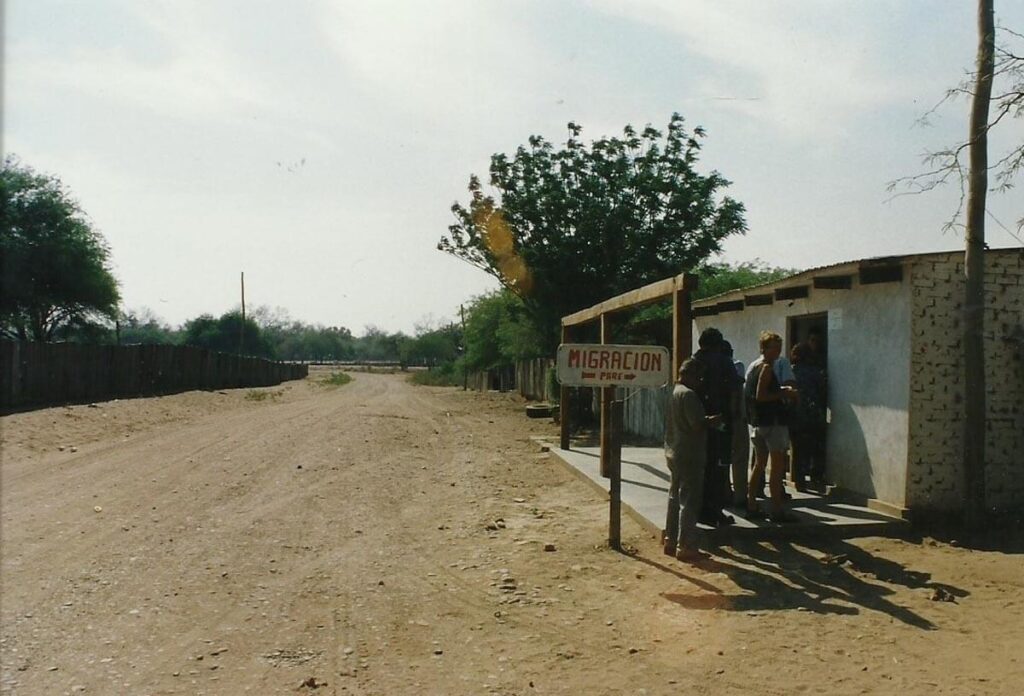
Global Peace Index Ranking in 2025: 75/163 –
Travel Advisory: Level 1 Travel Advisory. Level 2 applies in five border departments (Alto Paraná, Amambay, Canindeyú, Concepción, San Pedro) due to crime/smuggling.
2025 Ranking: 77/163 (previous post position – no.4)
Read the Most Recent US Government Advisory for Paraguay Here
Paraguay is one of South America’s best-kept secrets. The capital city, Asunción, is particularly popular for its incredible energy and plenty of family-friendly attractions.
Paraguay is not as commonly visited by foreign tourists as other countries on this list. As a result, the people are genuinely delighted to see you! There is also a rather sleepy backwater feel in much of the country. That makes it really special to me!
Is Paraguay Safe in 2025?
Paraguay has no travel warning in place (Level 1). As with any travel destination, some caution is necessary.
Level 2 applies in the five departments along the Brazilian border due to occasional crime and smuggling; therefore, double-check your route if traveling near these areas. Stay vigilant and informed about these regions. While not rampant, city street crimes occur and require the usual travel precautions. In Ciudad del Este and parts of the Tri-Border Area, petty theft and occasional trafficking activity have been reported.
You should also be wary of demonstrations in Paraguay. These can mean roadblocks, especially in central Asunción. They’re often peaceful but can disrupt travel.
You should also be mindful of individuals posing as service people. These could be potential thieves trying to scam unsuspecting tourists. As a rule, verify credentials and don’t leave your personal belongings unattended.
5. Bolivia
Global Peace Index Ranking in 2025: 83/163
Travel Advisory: Level 2 with a specific “Do Not Travel” to the Chapare region
2025 Ranking: 80/163 (previous post position – no.6)
Read the Most Recent US Government Advisory for Bolivia Here
Bolivia is an incredible landlocked country that deserves a spot on any South America bucket list. It’s best known for its breathtaking high-altitude scenery, with much of the west situated on the Altiplano, a plateau sandwiched between two Andean ranges that rise over 6,000 meters.
In La Paz, the world’s highest capital, you can hop aboard the Mi Teleférico cable cars and glide above the city’s streets and markets for unbeatable mountain views.
Further south, you can visit the spectacular Salar de Uyuni, which is unlike anywhere else on earth. To the north-west, Bolivia shares the deep blue waters of Lake Titicaca with Peru. From the lakeside town of Copacabana, it’s easy to take a boat across to Isla del Sol or Isla de la Luna, where ancient pre-Inca ruins overlook the lake.
Across the country, history lives on in the graceful colonial cities of Sucre and Potosí, where you can learn all about the era of Spanish colonization. Across Bolivia, there are still many Indigenous communities where centuries-old traditions still shape daily life. Wander through Sucre’s Tarabuco Market or La Paz’s Mercado Rodríguez to see colorful textiles, traditional dress, and everyday local life.
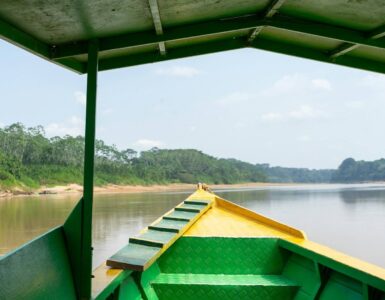
Bolivia is also home to some of the Amazon Basin at Rurrenabaque. From here, you can explore both the jungle and the pampas on guided eco-tours, spotting pink river dolphins, monkeys, and a rainbow of birdlife.
Is it Safe to Visit Bolivia in 2025?

It’s always wise to stay vigilant and heed local advice, especially in bigger cities, as the country is currently under a Level 2 Warning due to civil unrest. This does not mean you don’t travel; it just means being aware and researching the areas to be wary of.
Petty crimes like pickpocketing and bag theft can be commonplace, particularly in tourist hotspots and on overnight buses. Avoid carrying valuables on overnight buses and consider organized transfers rather than self‑drive routes through these areas.
Avoid Coronilla Hill in Cochabamba, adjacent to the main bus terminal. It is a place where you should exercise caution due to its high crime rate. If you’re traveling by bus to La Paz, arrive during daylight hours and get your tickets from the bus terminal. However, you can avoid this if you book an organized tour or a reputable transfer.
Certain areas in Bolivia are known to pose more risks. For example, Coroico and Carnavi in Yungas have reported incidents of carjackings and robberies committed by organized criminal groups.
Canada also flags the Yungas region (northeast of La Paz) and several border areas for higher risks, including violent crime and carjackings. As a rule, never leave personal belongings unattended.
Outside these trouble spots, most visitors experience Bolivia without incident.
6. Peru

Global Peace Index in 2025: 96/163
Travel Advisory: Level 2 Exercise Increased Caution (with regional Level 3–4 areas)
2025 Ranking: 101/163 (previous post position – no.7)
View the US Travel Advisory for Peru Here
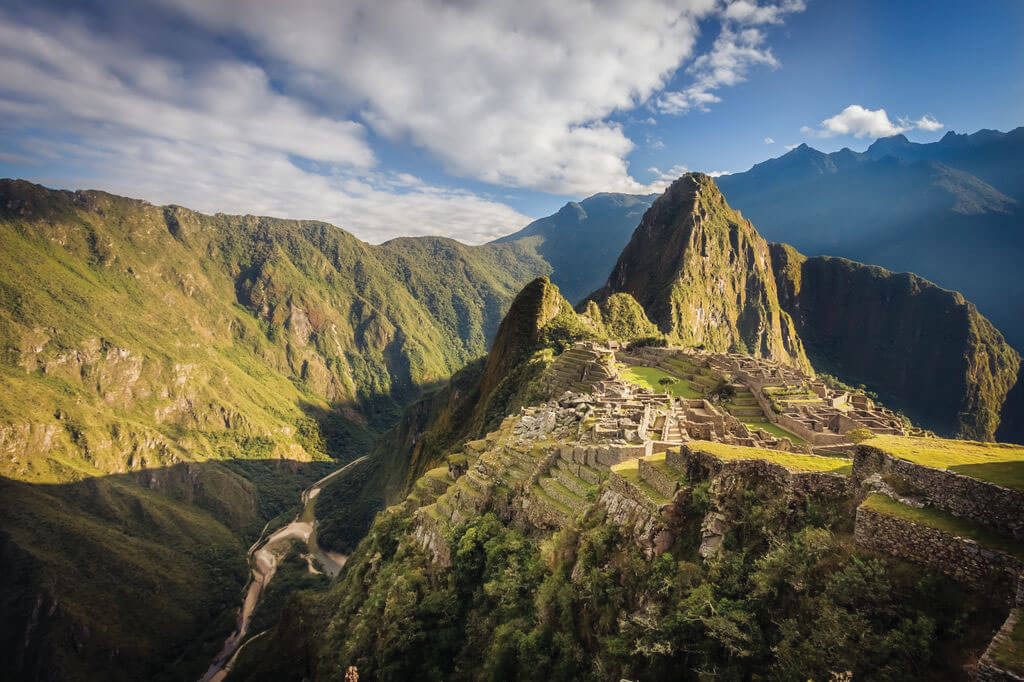
Peru is one of South America’s most visited countries, famous for Machu Picchu and the Inca Trail. Most tourist areas are considered safe.
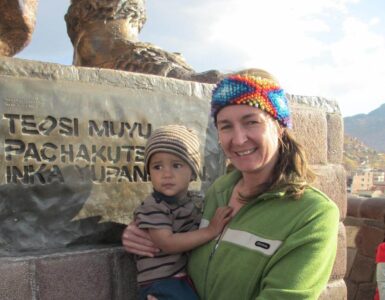
Having lived in Peru for over 10 years and had my first child in Cusco, I am obviously very comfortable traveling to Peru. In my experience, the Peruvian government recognizes the importance of tourism to the country and economy and has spent lots of resources “cleaning up” previously undesirable areas.
Peru is an incredible family-oriented country. If you plan to travel to Peru with Kids, you’ve picked the perfect destination. There are many unique Peruvian Foods and ample Places to See in Peru on Your Family Vacation. You can visit amazing cities like Cusco, explore the Sacred Valley, explore pristine beaches, and even climb Machu Picchu with Kids. You can discover our best Peru Family Holiday Itineraries here.
Is Peru Safe in 2025?

After widespread unrest in late 2023 and early 2024, Peru has calmed considerably. I visited Peru with my three kids in June 2023, so I am backing my own advice! Check the US Travel Advisory for Peru to verify their safety recommendations for the country.
They have downgraded the overall travel advisory to a Level 2 for the entire country, with two distinct areas considered “Level 4 – Do not travel”. Among these levels, four areas are known as the VRAEM – the Valley of the Apurímac, Ene, and Mantaro Rivers – an area that has been off-limits to travelers for decades (and most Peruvians wouldn’t visit either!). It is considered to house the remaining remnants of the Shining Path Terrorist Group, active in the 80s and early 90s, and continued to engage in drug trafficking. Luckily, while this region includes a tiny section in the north-west of the Cusco department (which is equivalent to a state), it is nowhere near Cusco city, the Sacred Valley, Machu Picchu, or any other tourist area in the Cusco region.
This is the confusing part: the name “Cusco” refers to the name of the department (state), province (county), and city. It’s easy to confuse the three! But rest assured – the Cusco tourist area is not affected by the terrorist activity in the VRAEM, never has been, and is hundreds of miles away. For additional peace of mind, check out this map, which shows the location of the VRAEM in Cusco City.

Parts of Ayacucho, Junín, Cusco, and Huancavelica hold Level 3 (Reconsider Travel) designations, but again, these rarely overlap with standard tourist routes.
Petty theft does exist, especially in Lima and Cusco’s bus terminals, but violent crime against visitors is rare. The bigger travel challenge here tends to be logistics, altitude, strikes, or weather delays – not safety itself.
Peru’s warmth and diversity make it a dream for families. You can watch llamas in the Andes one week and surf gentle Pacific waves the next. Whether exploring ancient Inca fortresses or tasting fresh ceviche.
7. Guyana
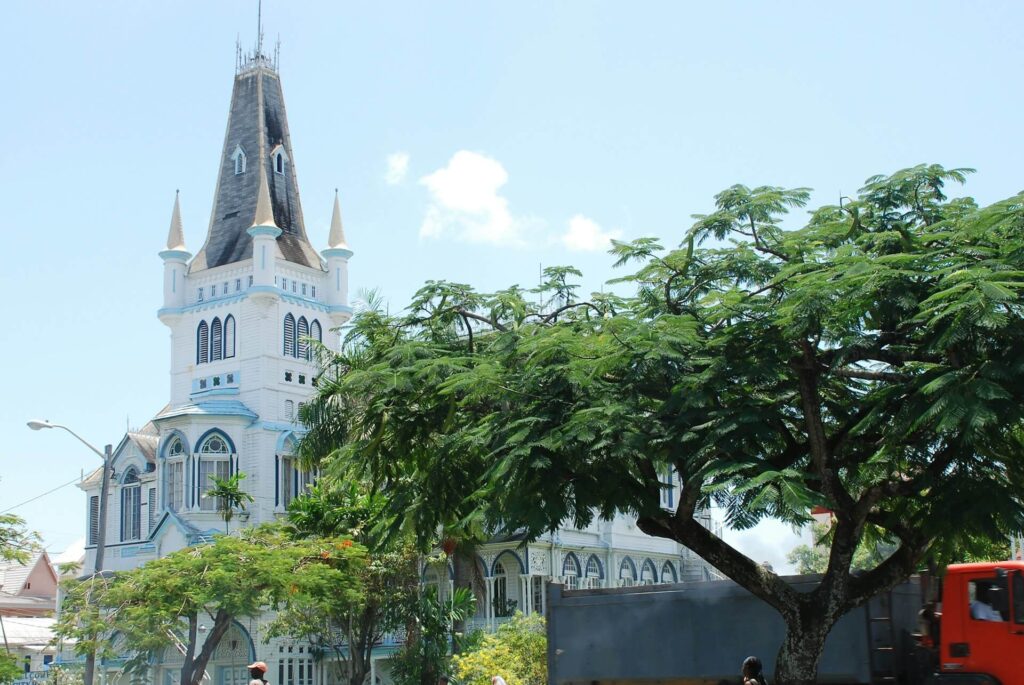
Global Peace Index Ranking: 106/163
US Travel Warning: Level 3 (Reconsider Travel) due to crime; violent crime is common, especially at night.
Previous Position: Not in the top 7
Check the US travel advisory for Guyana here
Guyana is one of South America’s hidden gems, an English-speaking country where the Caribbean meets the Amazon rainforest.
The country is largely undiscovered, with rivers, rainforests, and friendly locals in tiny villages along the savannah. For adventurous families, Guyana is raw, rewarding, and unlike anywhere else on the continent.
Start your adventure in the capital, Georgetown, where colonial wooden houses line the streets and lively markets fill the air with tropical scents and chatter. From here, you can travel inland,
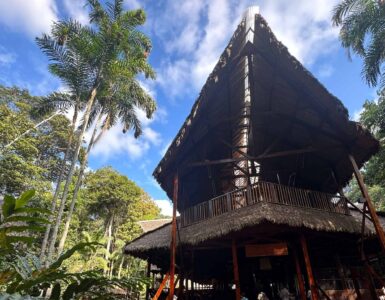
Make sure you visit Kaieteur Falls, an incredible waterfall that plunges over 70 feet! That’s about four times taller than Niagara Falls! Further South, you can visit Rupunni Svaammah – a large region home to some incredible wildlife, including jaguars, antelopes, and giant river otters. ManyPeruvian Amazon lodges here are community-run by Indigenous families. Enjoy a safe and sustainable stay with expert local guides. Read more about the Peruvian Amazon in our guide.
Is Guyana Safe in 2025?
Guyana remains under a Level 3 travel advisory, meaning you should take extra caution. Violent crime, including armed robbery, does occasionally occur, mainly in Georgetown and certain urban districts, particularly after dark. Police resources are also limited, so it is essential to stay alert, use registered taxis or hotel transfers, and avoid walking alone at night.
Outside the capital, however, the mood is entirely different. Guyana’s interior eco-regions are peaceful, welcoming, and closely connected to nature. However, it’s best to explore them via pre-arranged guided tours, which are extremely safe.
There has also been some ongoing political tension with neighboring Venezuela over the Essequibo region, but it’s largely a diplomatic matter and has not affected tourism. As with anywhere, it’s best to stay informed of local news during your visit.
In recent years, Guyana’s eco-tourism industry has experienced rapid growth, with the establishment of new conservation areas, improved infrastructure, and small-group adventures to some of South America’s most remote and wild corners. You can fly over Kaieteur Falls – one of the world’s tallest single-drop waterfalls – or spot jaguars and giant otters in the Iwokrama Rainforest. Most people describe Guyana as safe, friendly, and less touristy compared with its neighbors.
The Verdict – Final Words on the Safest South American Countries
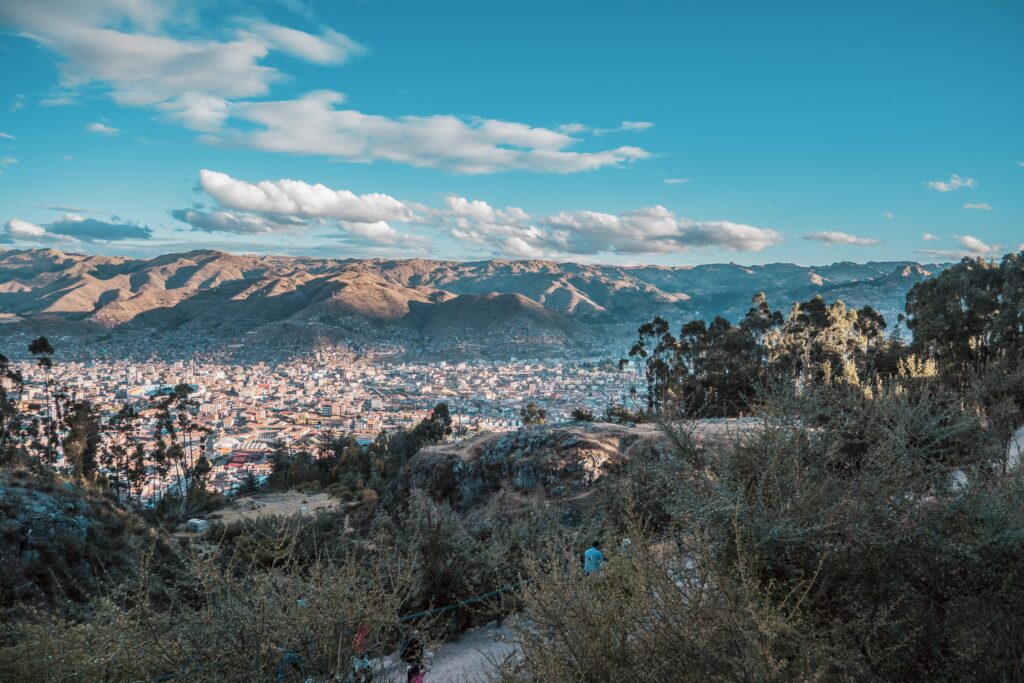
South America is generally safe to travel, but it’s essential to prioritize traveling to safe countries within the region. Ensure you check US travel advisories and advisories of the government where you are based.
These seven countries rank in the top 106 countries on the Global Peace Index in 2025, so if you’re planning a family trip to South America, these are the best options!
On the 2025 Global Peace Index, South America’s safer picks spread from Argentina (46) and Uruguay (48) through Chile (62) and Paraguay (75), then Bolivia (83) and Peru (96). Guyana (106) and Ecuador (129) sit lower and require more planning
Planning a trip to South America? Make sure you read our South America travel tips as well as the top family destinations in South America. To learn more about the continent, why not explore these South America facts?
Safety in South America FAQs

South America is a huge continent encompassing 12 countries, each with varying levels of safety. Some countries are not safe to visit, but others are extremely safe. The Global Peace Index ranks countries such as Argentina, Uruguay, Chile, and Paraguay among the safest to visit.
As of October 2025, Argentina is the safest South American country, ranking 46th out of 163 on the World Peace Index. The next safest country is Uruguay, which ranks 46th out of 163.
Argentina
Uruguay
Chile
Paraguay
Bolivia
Peru
Guyana
Santiago, Chile
Montevideo, Uruguay
Cuenca, Ecuador
Florianópolis, Brazil
Brasília, Brazil
Medellín, Colombia
Do not go to any places with level 4 travel advisory warnings for the country as a whole by the US government. If a small part of the country has a level 4 warning, you can still travel to that country, but NOT that specific area. You should reconsider traveling to that area if there is a level 3 warning.
South America covers a vast area, and you should check the US travel advisory for specific areas to be careful of. However, common issues include theft, demonstrations, and natural disaster risks. Not all areas and countries in South America have these dangers.
Caracas, Venezuela
Guayaquil, Ecuador
Fortaleza, Brazil
Recife, Brazil
Salvador, Brazil
Manaus, Brazil
Natal, Brazil
Like It> Pin It> Safety in South America in 2025: The 7 Safest Countries for Family Vacations + Advice


Add comment